

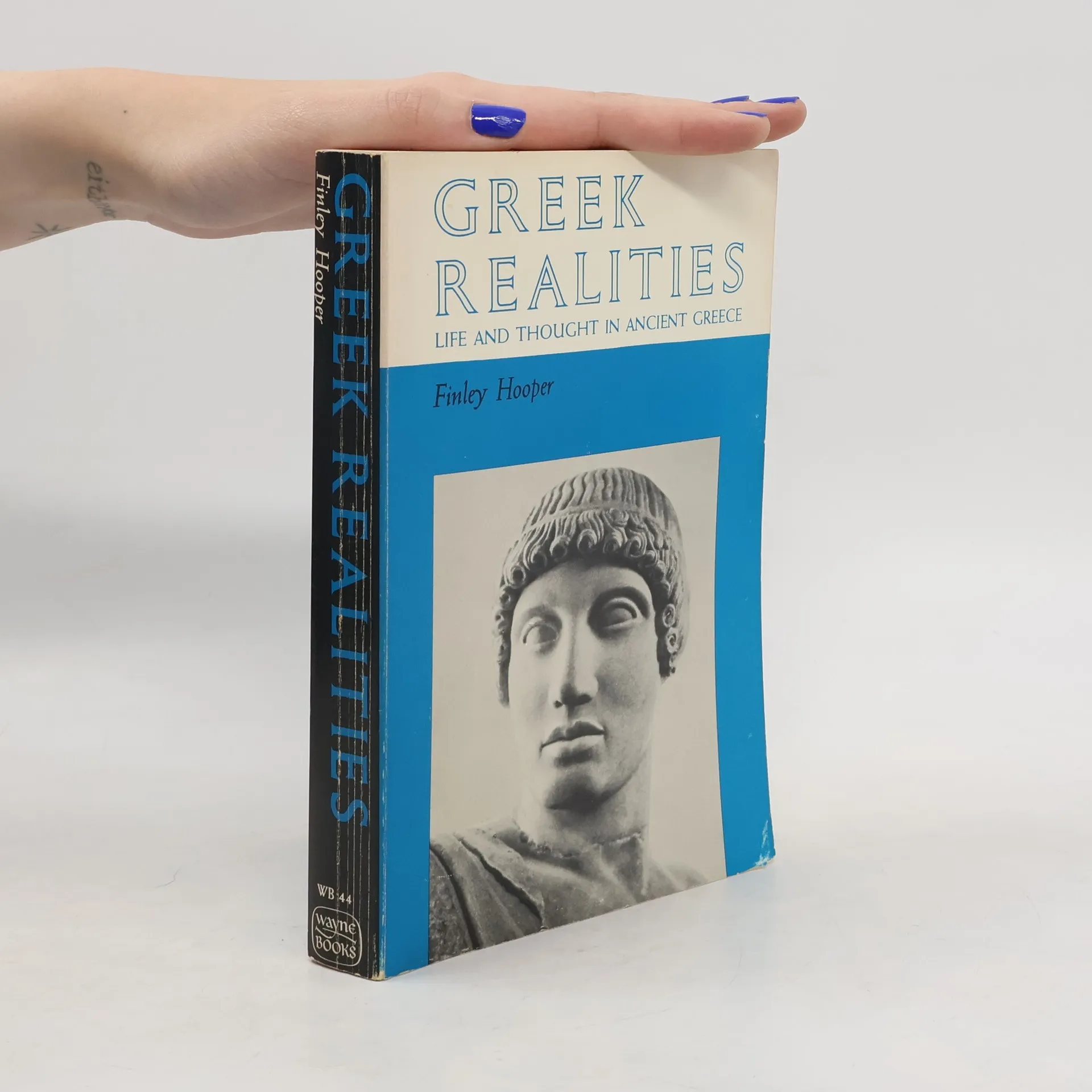
Więcej o książce
"The study of the Greeks can never be a closed account. The wide variety of critical and descriptive works written about them . . . . bears witness to man's continuing preoccupation with himself. Other ages might talk of God or machines; the Greeks, from Homer to Diogenes, were fascinated with man. Plato's emphasis on the spiritual world and Diogenes' unheroic retreat may seem to be departures from the Greek way. But that would be true if there were a single Greek way. Obviously, there was not. It is the variety of ideas about man, who he is and who he hopes to be, which is the real Greek legacy . . . . This book [begins] with the rich tombs of Mycenaean kings who tried desperately to preserve what they had won. It ends with Diogenes and his fellow Cynics who say that it is better to let it all go. In between are the heroes, the art, the history which belong to the ancient Greeks. The questions they raised and the answers they offered are still the concern of us all."―Finley Hooper
Zakup książki
Greek Realities, Finley Hooper
- Język

- Rok wydania
- 1978
- Oprawa
- (miękka)
Metody płatności
Brakuje nam tutaj Twojej recenzji.
- Tytuł
- Greek Realities
- Podtytuł
- Life and Thought in Ancient Greece
- Język
- angielski
- Autorzy
- Finley Hooper
- Wydawca
- Wayne State University Press
- Rok wydania
- 1978
- Oprawa
- miękka
- Liczba stron
- 480
- ISBN10
- 0814315976
- ISBN13
- 9780814315972
- Seria
- Kategorie
- Tagi
- Ocena
- 3,75 z 5
- Opis
- "The study of the Greeks can never be a closed account. The wide variety of critical and descriptive works written about them . . . . bears witness to man's continuing preoccupation with himself. Other ages might talk of God or machines; the Greeks, from Homer to Diogenes, were fascinated with man. Plato's emphasis on the spiritual world and Diogenes' unheroic retreat may seem to be departures from the Greek way. But that would be true if there were a single Greek way. Obviously, there was not. It is the variety of ideas about man, who he is and who he hopes to be, which is the real Greek legacy . . . . This book [begins] with the rich tombs of Mycenaean kings who tried desperately to preserve what they had won. It ends with Diogenes and his fellow Cynics who say that it is better to let it all go. In between are the heroes, the art, the history which belong to the ancient Greeks. The questions they raised and the answers they offered are still the concern of us all."―Finley Hooper