

Więcej o książce
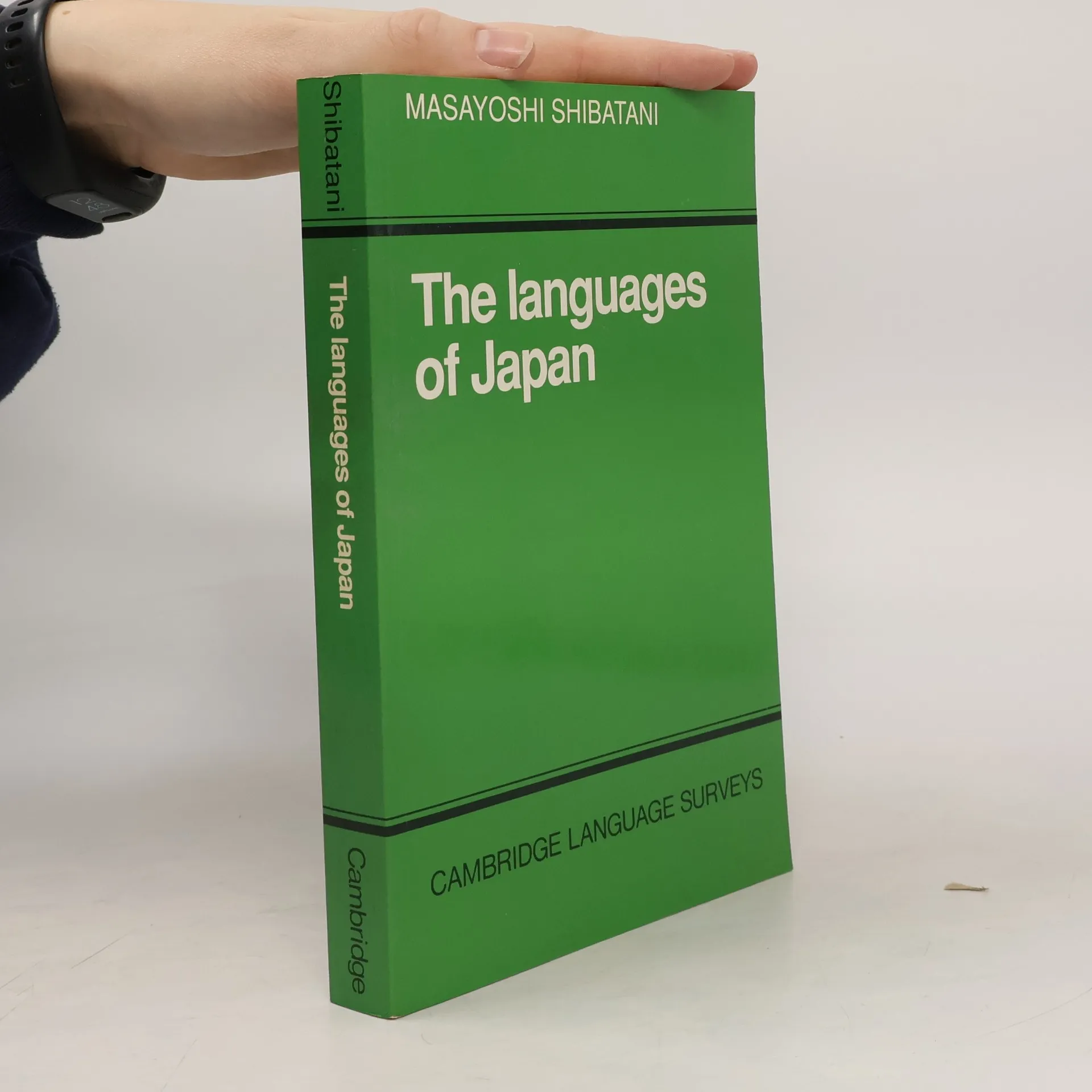
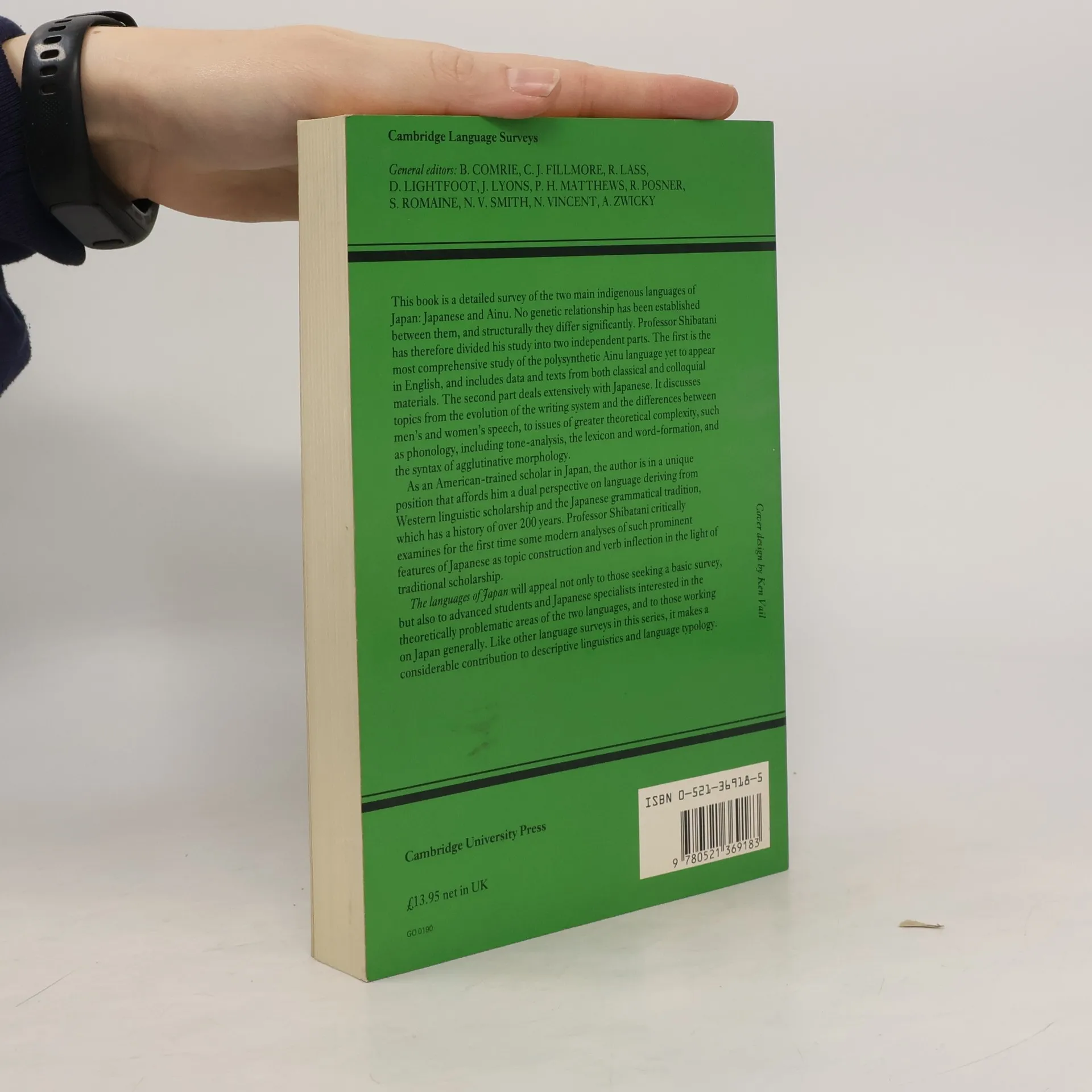
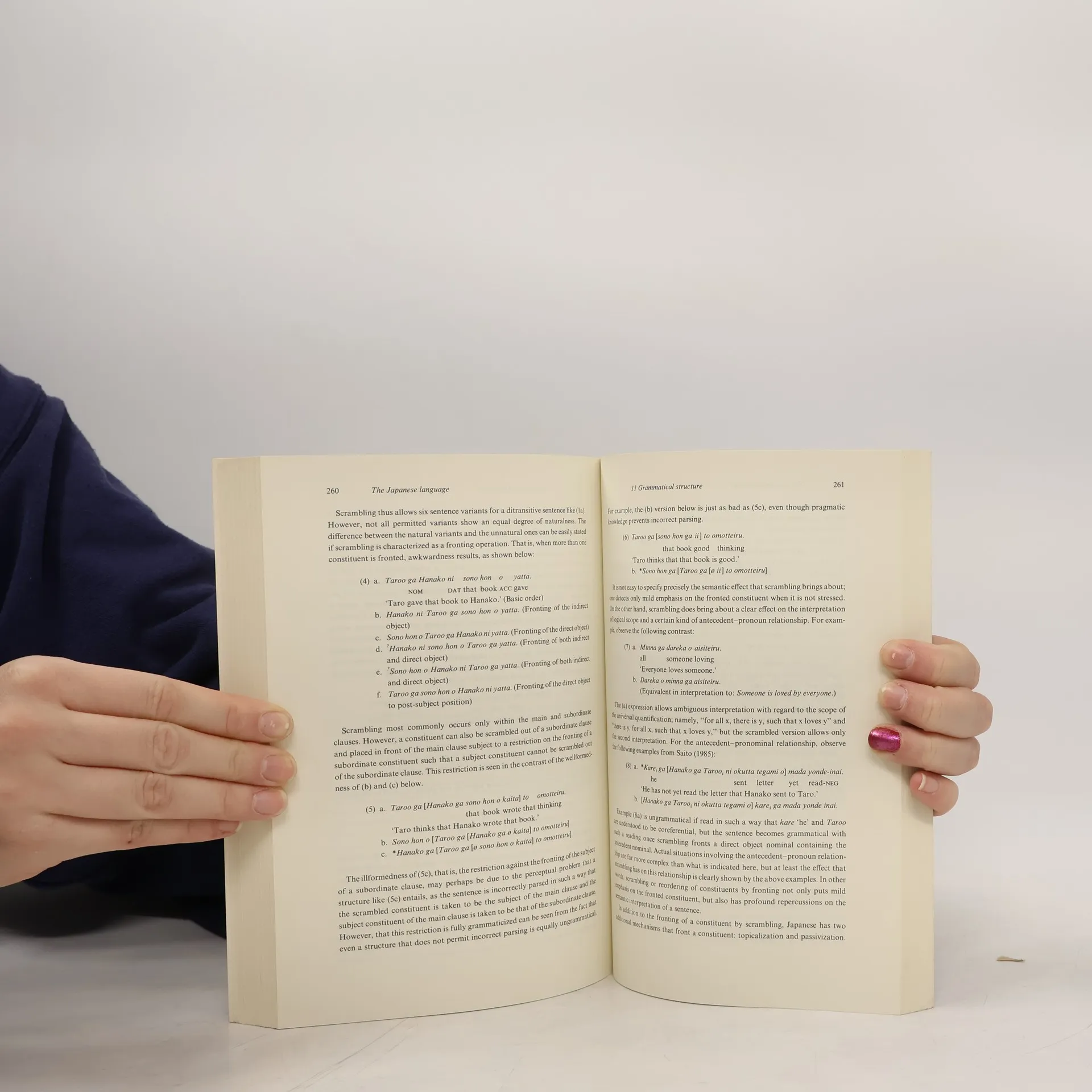
This book surveys the two main indigenous languages of Japan, Japanese and Ainu. No genetic relationship has been established between them, and structurally they differ significantly. Shibatani has therefore divided his study into two independent parts. The first is the most comprehensive study of the polysynthetic Ainu language yet to appear in English. The second part deals extensively with Japanese. It discusses topics from the evolution of the writing system and the differences between men's and women's speech, to issues of greater theoretical complexity, such as phonology, the lexicon and word formation, and the syntax of agglutinative morphology. As an American trained scholar in Japan, the author is in a unique position that affords him a dual perspective on language deriving from Western linguistic scholarship and the Japanese grammatical tradition.
Zakup książki
The Languages of Japan, Masayoshi Shibatani
- Język

- Rok wydania
- 2008
- Oprawa
- (miękka)
Metody płatności
Brakuje nam tutaj Twojej recenzji.
- Tytuł
- The Languages of Japan
- Język
- angielski
- Autorzy
- Masayoshi Shibatani
- Wydawca
- Cambridge University Press
- Rok wydania
- 2008
- Oprawa
- miękka
- Liczba stron
- 428
- ISBN10
- 0521369185
- ISBN13
- 9780521369183
- Seria
- Ocena
- 3,8 z 5
- Opis
- This book surveys the two main indigenous languages of Japan, Japanese and Ainu. No genetic relationship has been established between them, and structurally they differ significantly. Shibatani has therefore divided his study into two independent parts. The first is the most comprehensive study of the polysynthetic Ainu language yet to appear in English. The second part deals extensively with Japanese. It discusses topics from the evolution of the writing system and the differences between men's and women's speech, to issues of greater theoretical complexity, such as phonology, the lexicon and word formation, and the syntax of agglutinative morphology. As an American trained scholar in Japan, the author is in a unique position that affords him a dual perspective on language deriving from Western linguistic scholarship and the Japanese grammatical tradition.