



Parametry
- 184 strony
- 7 godzin czytania
Więcej o książce
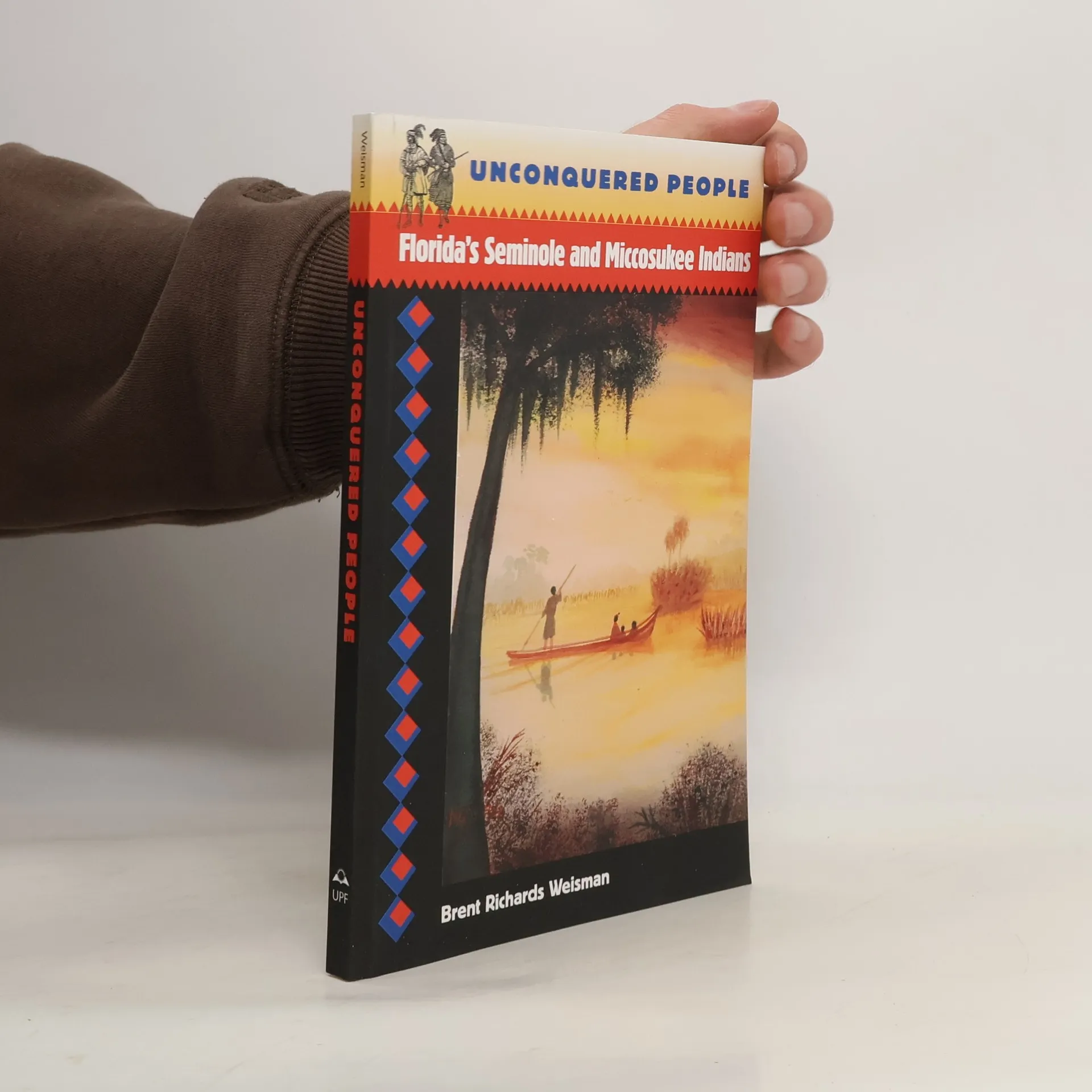
Who are Florida’s Seminole and Miccosukee Indians, and what distinguishes them? Brent Weisman delves into their culture using archaeology, ethnography, historical documents, and the voices of the Indians. He traces the formation of their culture and its resilience amid historical challenges and modern pressures. Key elements such as the Green Corn Dance, clan significance in political and social relationships, and the impact of the Second Seminole War (1835-42) are examined, highlighting how these events spurred cultural adaptation as the Indian population retreated into south Florida's wetlands. Weisman underscores the Seminoles' remarkable adaptability while maintaining their core identity from colonial times to today. Geography plays a crucial role in understanding their identity, and Weisman includes a travel guide to historic sites across Florida that reflect the deep connection between Seminole history and the state's geography. He illustrates the Seminoles' presence beyond south Florida, emphasizing the significance of areas like the Suwannee River, Paynes Prairie, Withlacoochee River wetlands, Big Cypress region, and Pine Island Ridge in the Everglades. Combining interdisciplinary scholarship with indigenous perspectives, Weisman presents an engaging history of Florida’s enduring Native Americans for both students and general readers.
Zakup książki
Unconquered People, Brent Richards Weisman
- Język

- Rok wydania
- 1999
- Oprawa
- (miękka)
Metody płatności
Brakuje nam tutaj Twojej recenzji.
- Tytuł
- Unconquered People
- Podtytuł
- Florida's Seminole and Miccosukee Indians
- Język
- angielski
- Autorzy
- Brent Richards Weisman
- Wydawca
- University Press of Florida
- Rok wydania
- 1999
- Oprawa
- miękka
- Liczba stron
- 184
- ISBN10
- 0813016630
- ISBN13
- 9780813016634
- Seria
- Kategorie
- Tagi
- Tematy historyczne, USA, Literatura amerykańska, Archeologia, Rdzenni Amerykanie, Historia społeczna, Plemię rdzenne, Floryda
- Ocena
- 3,6 z 5
- Opis
- Who are Florida’s Seminole and Miccosukee Indians, and what distinguishes them? Brent Weisman delves into their culture using archaeology, ethnography, historical documents, and the voices of the Indians. He traces the formation of their culture and its resilience amid historical challenges and modern pressures. Key elements such as the Green Corn Dance, clan significance in political and social relationships, and the impact of the Second Seminole War (1835-42) are examined, highlighting how these events spurred cultural adaptation as the Indian population retreated into south Florida's wetlands. Weisman underscores the Seminoles' remarkable adaptability while maintaining their core identity from colonial times to today. Geography plays a crucial role in understanding their identity, and Weisman includes a travel guide to historic sites across Florida that reflect the deep connection between Seminole history and the state's geography. He illustrates the Seminoles' presence beyond south Florida, emphasizing the significance of areas like the Suwannee River, Paynes Prairie, Withlacoochee River wetlands, Big Cypress region, and Pine Island Ridge in the Everglades. Combining interdisciplinary scholarship with indigenous perspectives, Weisman presents an engaging history of Florida’s enduring Native Americans for both students and general readers.