


Parametry
- 440 stron
- 16 godzin czytania
Więcej o książce
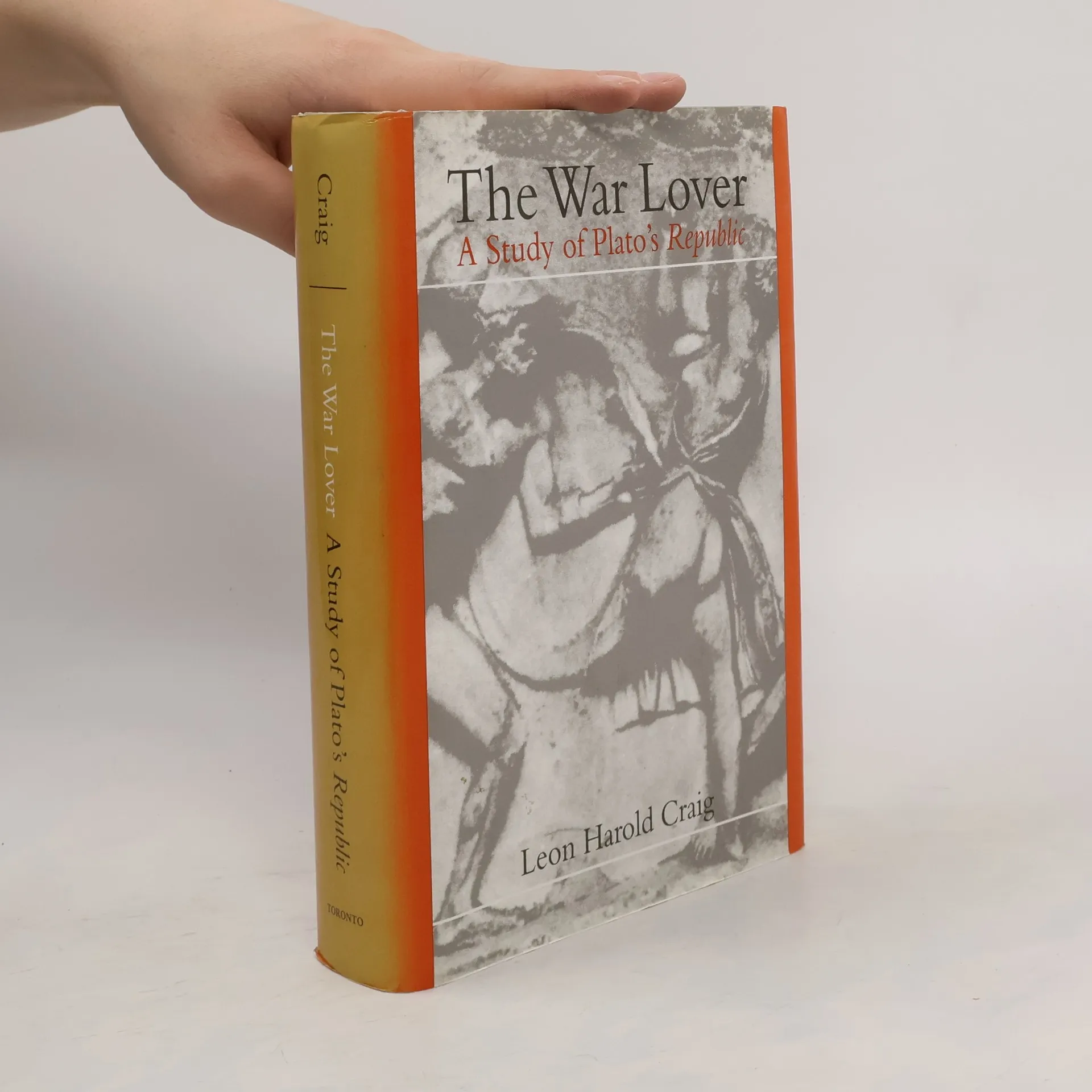
This examination of the Republic begins by addressing overlooked questions about the dialogue's pervasive war imagery. It explores why Plato's portrayal of philosophy is intertwined with discussions on educating natural warriors and why philosopher-kings must be 'champions of war.' This inquiry leads to a radical reassessment of Plato's teachings on justice, philosophy, and politics, particularly the relationship between the city in logos and timocracy, a regime dedicated to war. Analyzing the timocratic man reveals deeper psychological insights central to the dialogue, especially regarding justice and love. By comparing the four types of love presented, the text clarifies the complex connection between the philosopher and the tyrant. Craig also examines the distinct kinds of timocrats represented by Glaukon and Adeimantos, shedding light on the educational schemes outlined in the dialogue. One chapter delves into the analogical and allegorical aspects of Book Five and its political implications, addressing contemporary debates on gender roles. Ultimately, this work revitalizes the Republic, demonstrating that Plato's ideas offer a corrective to modern views on enduring human questions, making it both a commentary on contemporary intellectual and political life and a fresh interpretation of an ancient text.
Zakup książki
The War Lover, Leon Harold Craig
- Język

- Rok wydania
- 1994
- Oprawa
- (twarda)
Metody płatności
Nikt jeszcze nie ocenił.
- Tytuł
- The War Lover
- Podtytuł
- A Study of Plato's Republic
- Język
- angielski
- Autorzy
- Leon Harold Craig
- Wydawca
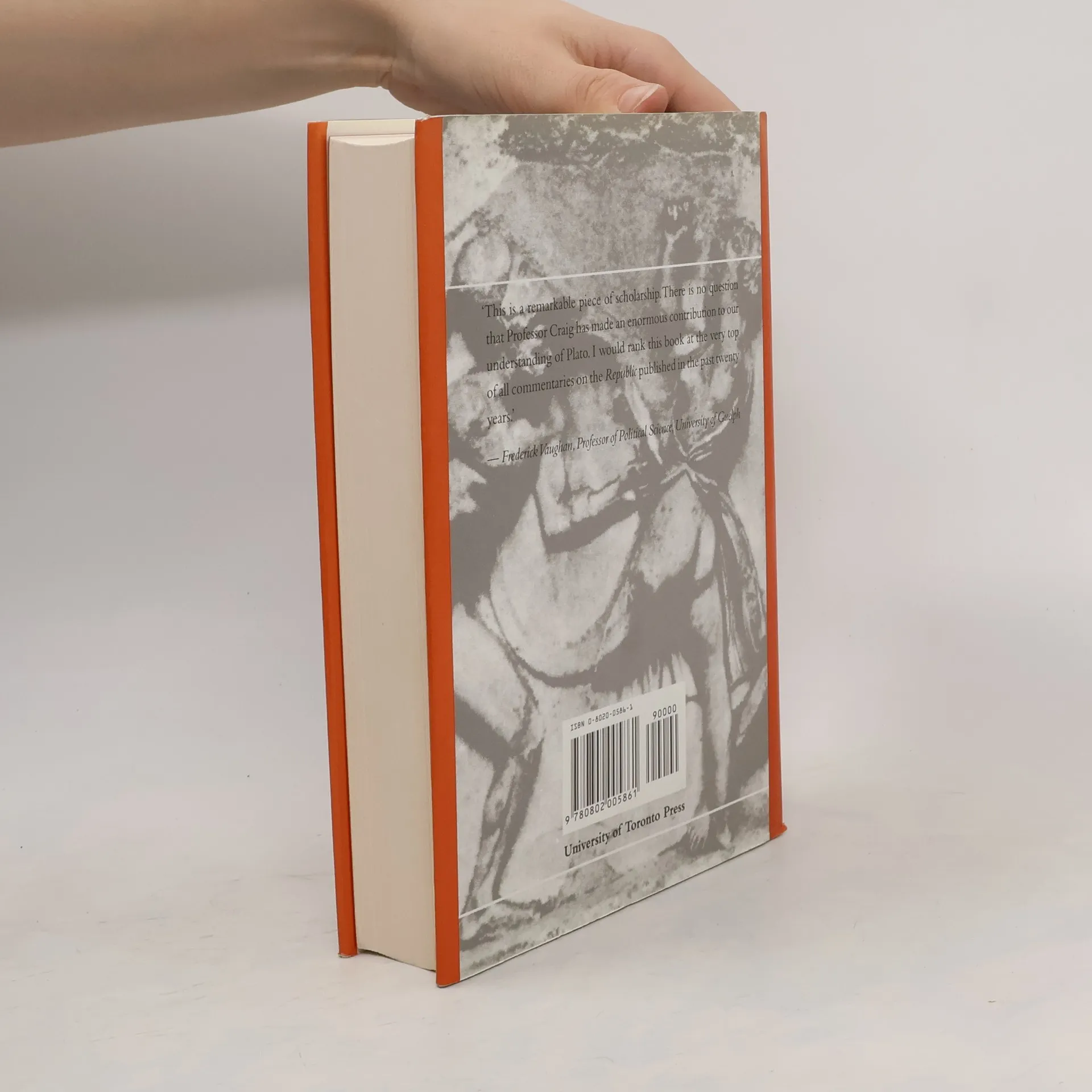
- University of Toronto Press
- Rok wydania
- 1994
- Oprawa
- twarda
- Liczba stron
- 440
- ISBN10
- 0802005861
- ISBN13
- 9780802005861
- Seria
- Kategorie
- Tagi
- Tematy historyczne, Tematyka filozoficzna, Krytyka literacka, Teorie polityczne, Kanada, Filozofia polityczna
- Opis
- This examination of the Republic begins by addressing overlooked questions about the dialogue's pervasive war imagery. It explores why Plato's portrayal of philosophy is intertwined with discussions on educating natural warriors and why philosopher-kings must be 'champions of war.' This inquiry leads to a radical reassessment of Plato's teachings on justice, philosophy, and politics, particularly the relationship between the city in logos and timocracy, a regime dedicated to war. Analyzing the timocratic man reveals deeper psychological insights central to the dialogue, especially regarding justice and love. By comparing the four types of love presented, the text clarifies the complex connection between the philosopher and the tyrant. Craig also examines the distinct kinds of timocrats represented by Glaukon and Adeimantos, shedding light on the educational schemes outlined in the dialogue. One chapter delves into the analogical and allegorical aspects of Book Five and its political implications, addressing contemporary debates on gender roles. Ultimately, this work revitalizes the Republic, demonstrating that Plato's ideas offer a corrective to modern views on enduring human questions, making it both a commentary on contemporary intellectual and political life and a fresh interpretation of an ancient text.