

Więcej o książce
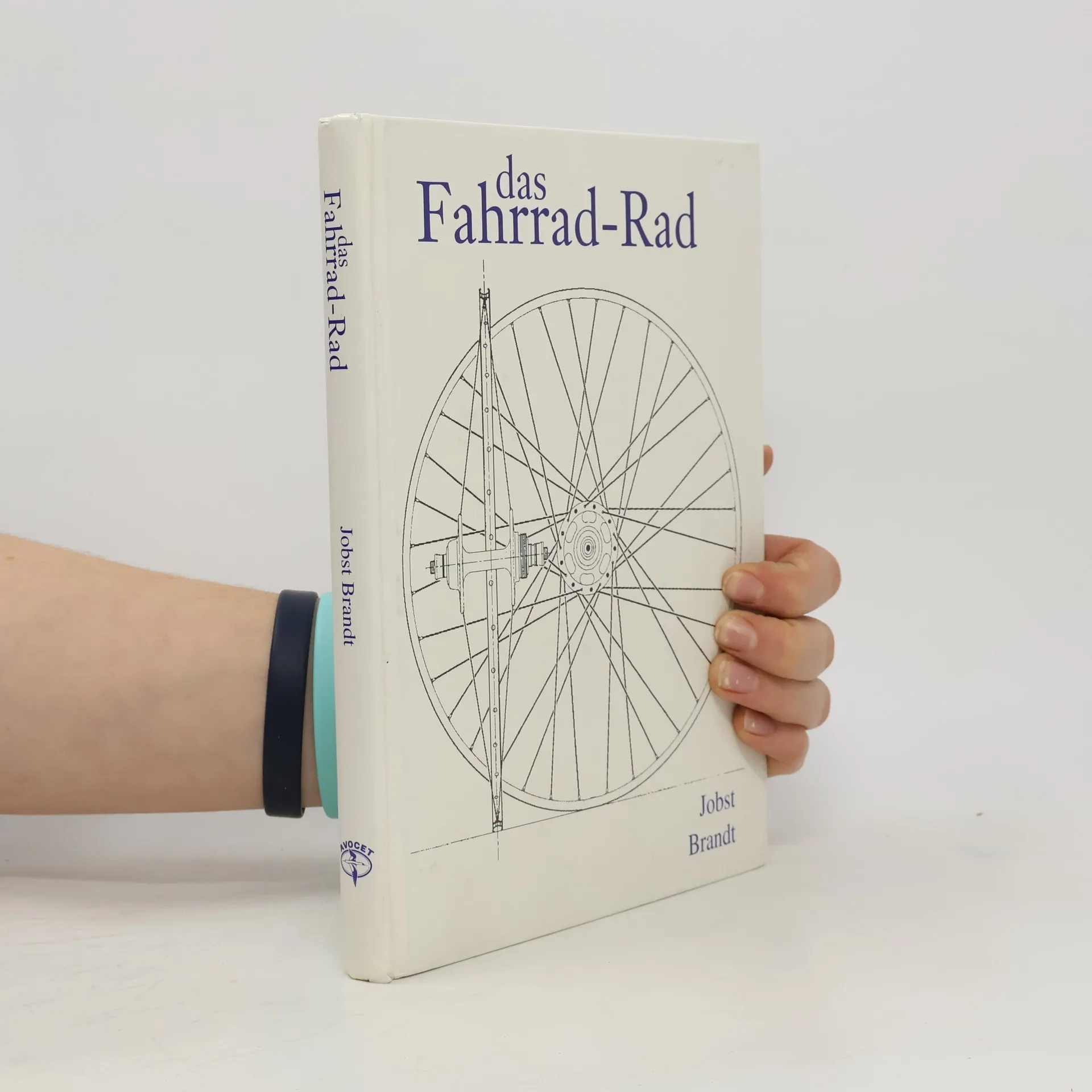
The 'Bicycle Wheel' is a book for every cyclist, from novice rider to experienced wheel builder, going beyond the most commonly asked questions. This volume answers questions such as: Should I use low- or high-flanged hubs for touring * Should I spoke crossed-four or crossed-three? Are radially spoked wheels stiffer than crossed-four? * How can I build a 32-spoke crossed-two wheel? * Should I use butted or straight sookes? * Does tying and soldering give a rough ride? Based on years of experience, the author has divided the book into three parts. Part One, Theory, explains how wheels respond to loads. It discusses the merits of various designs and components, and explains what causes failures. Part Two, Practice, gives a step-by-step guide for building front and rear wheels and wheels with different patterns and numbers of spokes. Part Three, Data, contains test results and formulas for computing spoke lengths and other wheel dimensions.
Zakup książki
The Bicycle Wheel, Jobst Brandt
- Język

- Rok wydania
- 1988
- Oprawa
- (twarda)
Metody płatności
Brakuje nam tutaj Twojej recenzji.
- Tytuł
- The Bicycle Wheel
- Język
- angielski
- Autorzy
- Jobst Brandt
- Wydawca
- Avocet Press
- Rok wydania
- 1988
- Oprawa
- twarda
- Liczba stron
- 149
- ISBN10
- 0960723641
- ISBN13
- 9780960723645
- Seria
- Kategorie
- Ocena
- 4,4 z 5
- Opis
- The 'Bicycle Wheel' is a book for every cyclist, from novice rider to experienced wheel builder, going beyond the most commonly asked questions. This volume answers questions such as: Should I use low- or high-flanged hubs for touring * Should I spoke crossed-four or crossed-three? Are radially spoked wheels stiffer than crossed-four? * How can I build a 32-spoke crossed-two wheel? * Should I use butted or straight sookes? * Does tying and soldering give a rough ride? Based on years of experience, the author has divided the book into three parts. Part One, Theory, explains how wheels respond to loads. It discusses the merits of various designs and components, and explains what causes failures. Part Two, Practice, gives a step-by-step guide for building front and rear wheels and wheels with different patterns and numbers of spokes. Part Three, Data, contains test results and formulas for computing spoke lengths and other wheel dimensions.