

Parametry
- 208 stron
- 8 godzin czytania
Więcej o książce
The U.S.-Mexico border is often depicted as a violent and dangerous area, a perception that has persisted for decades. This region has been viewed as a metaphor for illegality, linking space and violence. Recent academic discussions have focused on the sociological and cultural implications of this violence, yet there is limited research on its disturbing manifestation: gender violence. This volume analyzes this pervasive issue, particularly highlighting the femicides in Ciudad Juárez, which have become emblematic of extreme gender violence in the media. Contributors argue that understanding gender-motivated violence requires interdisciplinary approaches that bridge social sciences and humanities. The essays explore how this violence is represented in various forms, including oral narratives, media reports, films, novels, and legal discourse. They also investigate the media's role in shaping perceptions and the legal initiatives aimed at addressing this urgent social issue. Collectively, the essays provide fresh insights into the connections between gendered violence and broader themes such as social violence mechanisms, economic models' micro-social effects, power asymmetries, and the rhetoric and ethics surrounding violence representation.
Zakup książki
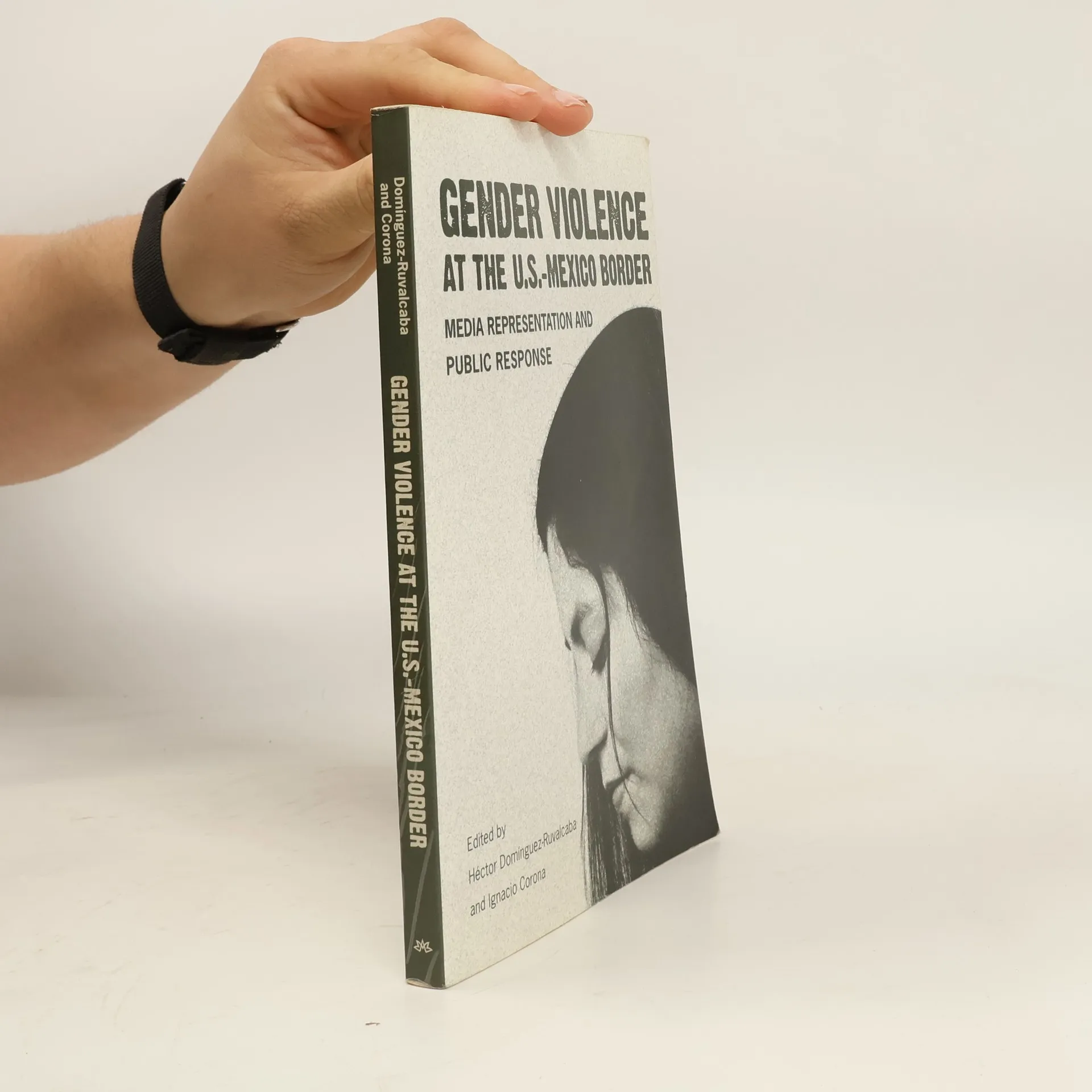
Gender Violence at the U.S.–Mexico Border, Hector Dominguez Ruvalcaba, Ignacio Corona
- Język

- Rok wydania
- 2012
- Oprawa
- (miękka)
Metody płatności
Brakuje nam tutaj Twojej recenzji.
- Tytuł
- Gender Violence at the U.S.–Mexico Border
- Podtytuł
- Media Representation and Public Response
- Język
- angielski
- Wydawca
- University of Arizona Press
- Rok wydania
- 2012
- Oprawa
- miękka
- Liczba stron
- 208
- ISBN10
- 0816514631
- ISBN13
- 9780816514632
- Seria
- Kategorie
- Ocena
- 5 z 5
- Opis
- The U.S.-Mexico border is often depicted as a violent and dangerous area, a perception that has persisted for decades. This region has been viewed as a metaphor for illegality, linking space and violence. Recent academic discussions have focused on the sociological and cultural implications of this violence, yet there is limited research on its disturbing manifestation: gender violence. This volume analyzes this pervasive issue, particularly highlighting the femicides in Ciudad Juárez, which have become emblematic of extreme gender violence in the media. Contributors argue that understanding gender-motivated violence requires interdisciplinary approaches that bridge social sciences and humanities. The essays explore how this violence is represented in various forms, including oral narratives, media reports, films, novels, and legal discourse. They also investigate the media's role in shaping perceptions and the legal initiatives aimed at addressing this urgent social issue. Collectively, the essays provide fresh insights into the connections between gendered violence and broader themes such as social violence mechanisms, economic models' micro-social effects, power asymmetries, and the rhetoric and ethics surrounding violence representation.