

Więcej o książce
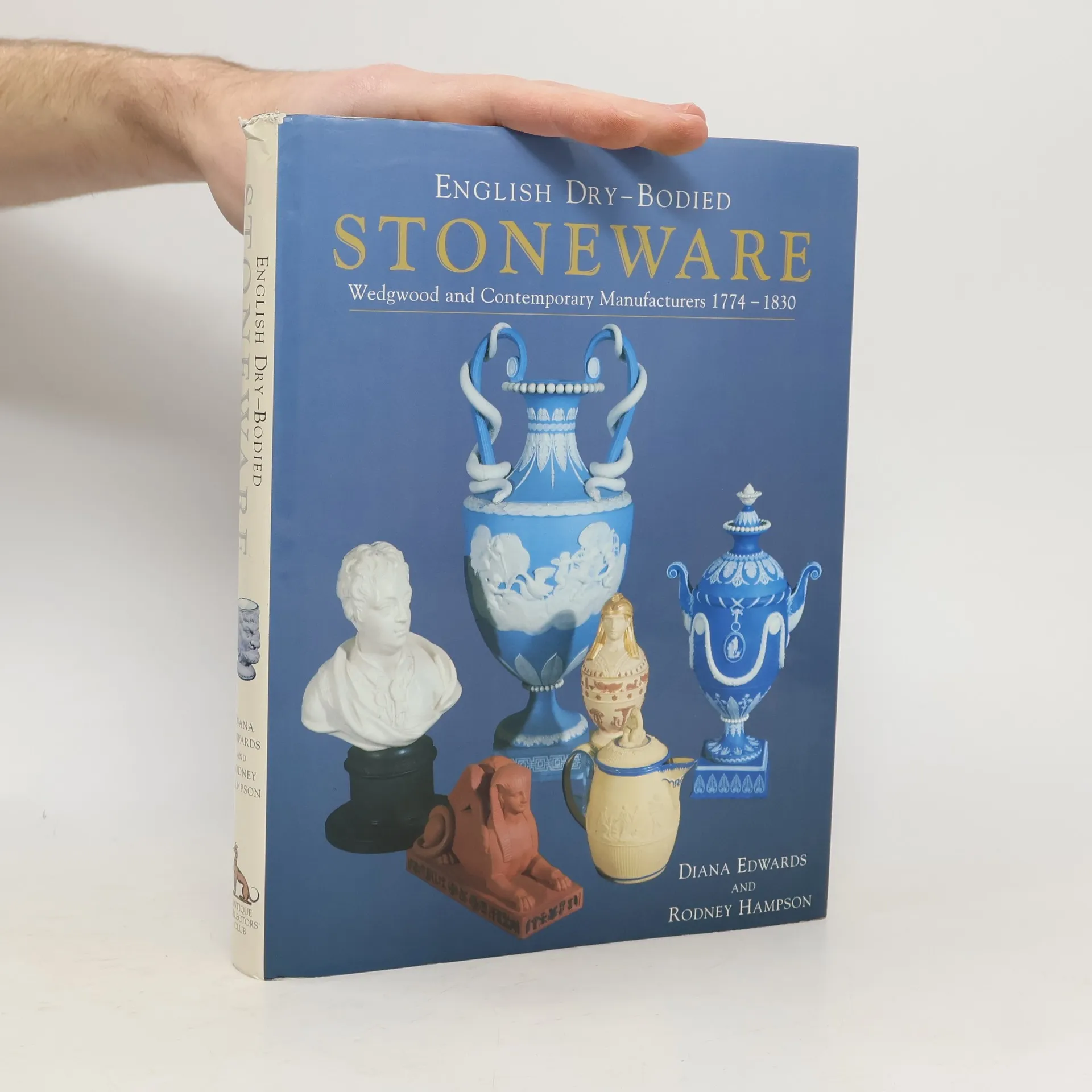
English dry-bodied stoneware was the ultimate ceramic expression of the neoclassical wave which erupted in England and on the Continent in the mid-eighteenth century. Initially basalt commanded the scene, with its imposing black stoneware forms imitating Greek vases. However, it was Wedgwood's invention of the jasper body which was to be the tour de force associated with his name. Wedgwood's jasper vases, purchased by gentry and nobility alike, were soon imitated by a myriad of potters. This book is the first to explore the vast subject of English dry-bodied stoneware with discussions on the antecedents of the eighteenth century neoclassical wares, the red stonewares of the seventeenth century, as well as the other bodies produced by Wedgwood and his contemporaries: caneware, white felspathic stoneware and, of course, the flagship of the Wedgwood name, jasper. The authors have, for the first time, utilised Wedgwood's surviving sales records from 1774-1794 and these have made it possible to allow
Zakup książki
English Dry-Bodied Stoneware, Diana Edwards
- Język

- Rok wydania
- 1998
- Oprawa
- (twarda)
Metody płatności
Brakuje nam tutaj Twojej recenzji.
- Tytuł
- English Dry-Bodied Stoneware
- Język
- angielski
- Autorzy
- Diana Edwards
- Wydawca
- ACC Publishing Group
- Rok wydania
- 1998
- Oprawa
- twarda
- Liczba stron
- 248
- ISBN10
- 1851492887
- ISBN13
- 9781851492886
- Seria
- Tagi
- Ocena
- 5 z 5
- Opis
- English dry-bodied stoneware was the ultimate ceramic expression of the neoclassical wave which erupted in England and on the Continent in the mid-eighteenth century. Initially basalt commanded the scene, with its imposing black stoneware forms imitating Greek vases. However, it was Wedgwood's invention of the jasper body which was to be the tour de force associated with his name. Wedgwood's jasper vases, purchased by gentry and nobility alike, were soon imitated by a myriad of potters. This book is the first to explore the vast subject of English dry-bodied stoneware with discussions on the antecedents of the eighteenth century neoclassical wares, the red stonewares of the seventeenth century, as well as the other bodies produced by Wedgwood and his contemporaries: caneware, white felspathic stoneware and, of course, the flagship of the Wedgwood name, jasper. The authors have, for the first time, utilised Wedgwood's surviving sales records from 1774-1794 and these have made it possible to allow