

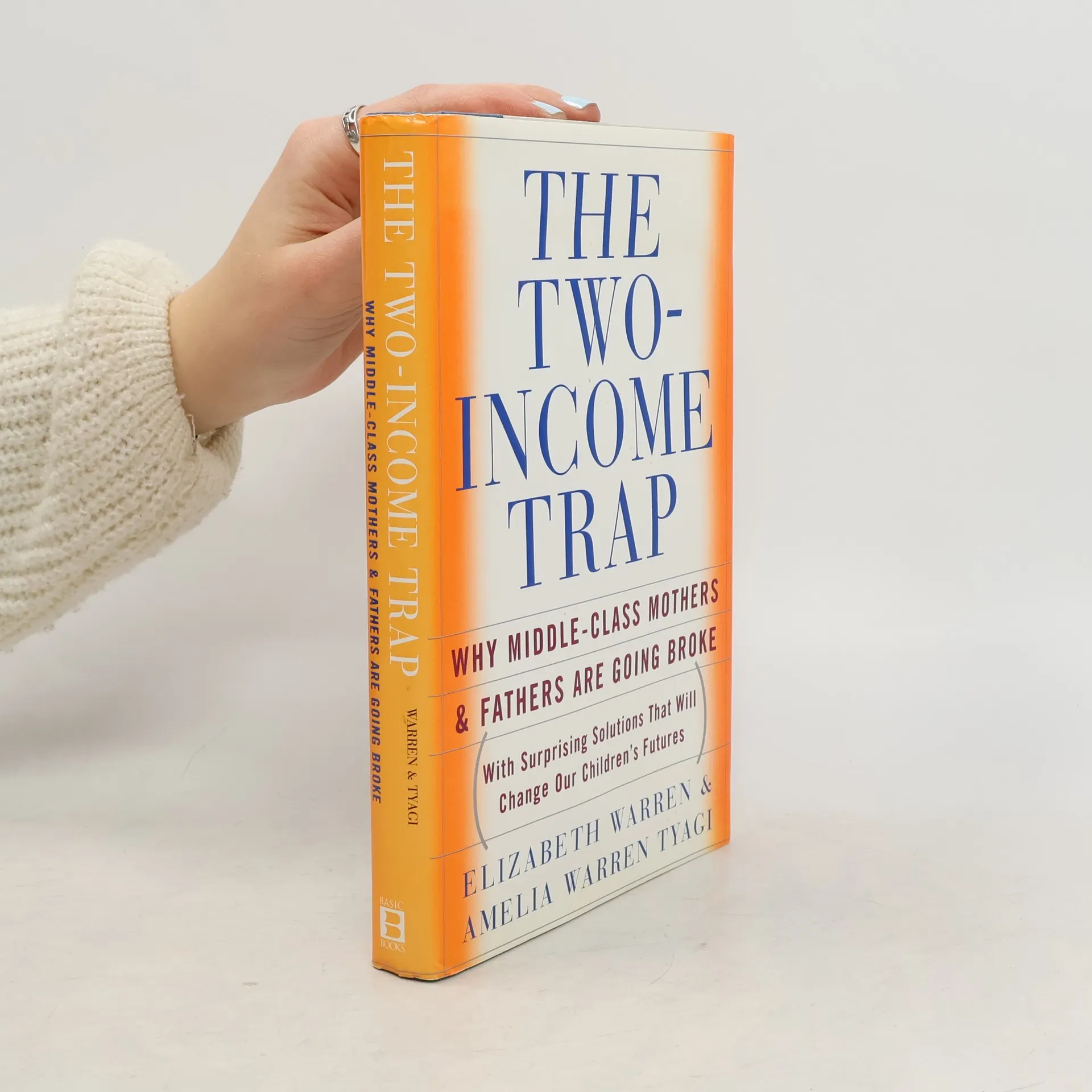


Więcej o książce
More than two decades ago, the women's movement opened workplace doors, sparking controversy but widely believed to enhance families' financial situations. However, this book reveals that today's middle-class parents face an unprecedented economic crisis. Despite two-income families earning 75% more than single-income households from a generation ago, they actually have less discretionary income after paying fixed monthly bills. Warren and Tyagi argue that the issue isn't "overconsumption," as some critics suggest, but rather a fierce competition for housing and education that has taken hold in America's suburbs. The shift of mothers into the workforce, once a source of financial security for families, has left them more vulnerable than ever. The authors contend that traditional solutions—such as child-support enforcement, subsidized daycare, and higher salaries for women—will not address the root of the problem. Instead, they propose innovative solutions, including rate caps on credit cards and open-access public schools, to restore financial security for the middle class.
Zakup książki
The Two-Income Trap, Elizabeth Warren, Amelia Warren Tyagi
- Język

- Rok wydania
- 2003
- Oprawa
- (twarda)
Metody płatności
Brakuje nam tutaj Twojej recenzji.
- Tytuł
- The Two-Income Trap
- Podtytuł
- Why Middle-Class Mothers and Fathers Are Going Broke
- Język
- angielski
- Autorzy
- Elizabeth Warren, Amelia Warren Tyagi
- Wydawca
- Basic Books
- Rok wydania
- 2003
- Oprawa
- twarda
- Liczba stron
- 272
- ISBN10
- 0465090826
- ISBN13
- 9780465090822
- Seria
- Ocena
- 3,85 z 5
- Opis
- More than two decades ago, the women's movement opened workplace doors, sparking controversy but widely believed to enhance families' financial situations. However, this book reveals that today's middle-class parents face an unprecedented economic crisis. Despite two-income families earning 75% more than single-income households from a generation ago, they actually have less discretionary income after paying fixed monthly bills. Warren and Tyagi argue that the issue isn't "overconsumption," as some critics suggest, but rather a fierce competition for housing and education that has taken hold in America's suburbs. The shift of mothers into the workforce, once a source of financial security for families, has left them more vulnerable than ever. The authors contend that traditional solutions—such as child-support enforcement, subsidized daycare, and higher salaries for women—will not address the root of the problem. Instead, they propose innovative solutions, including rate caps on credit cards and open-access public schools, to restore financial security for the middle class.