

Więcej o książce
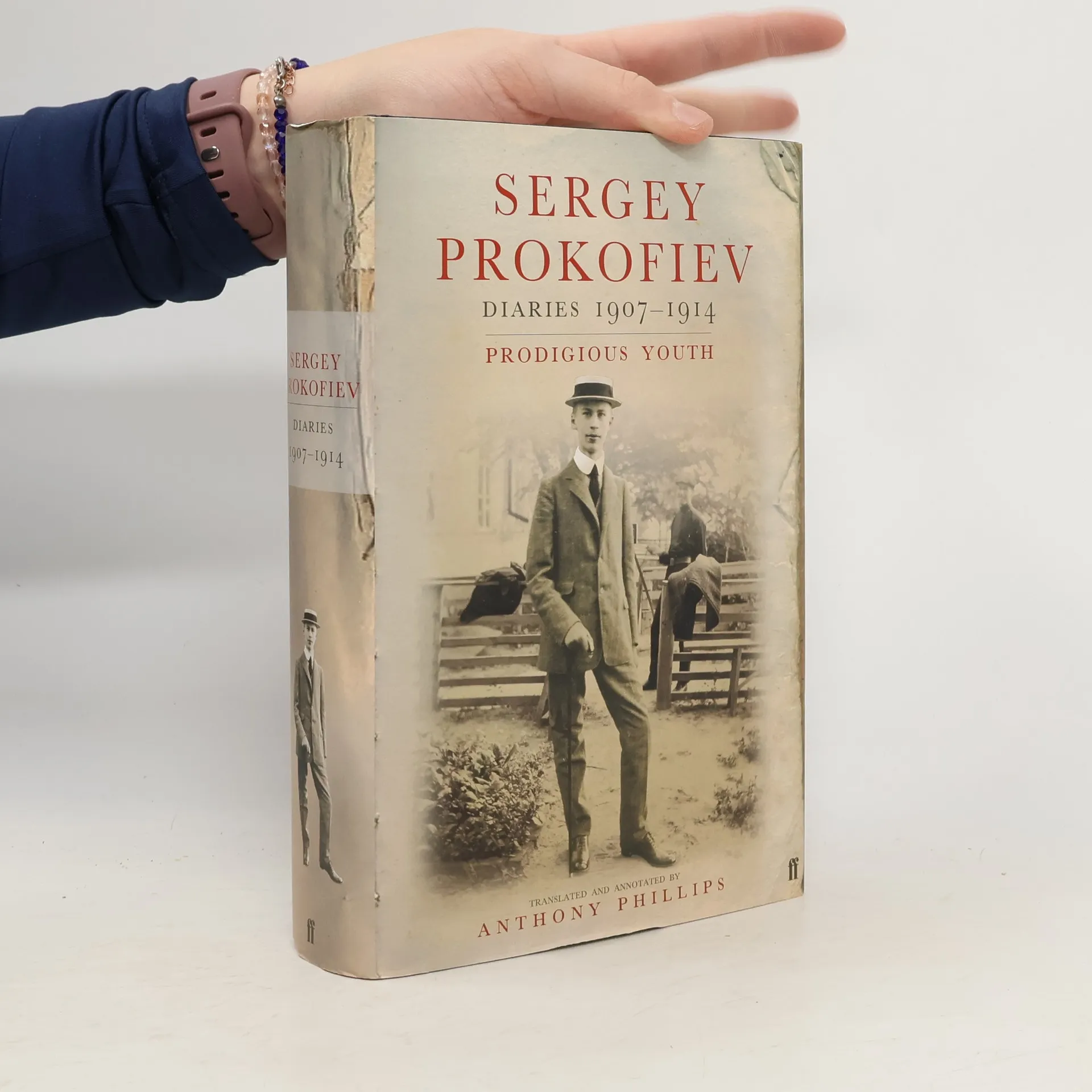
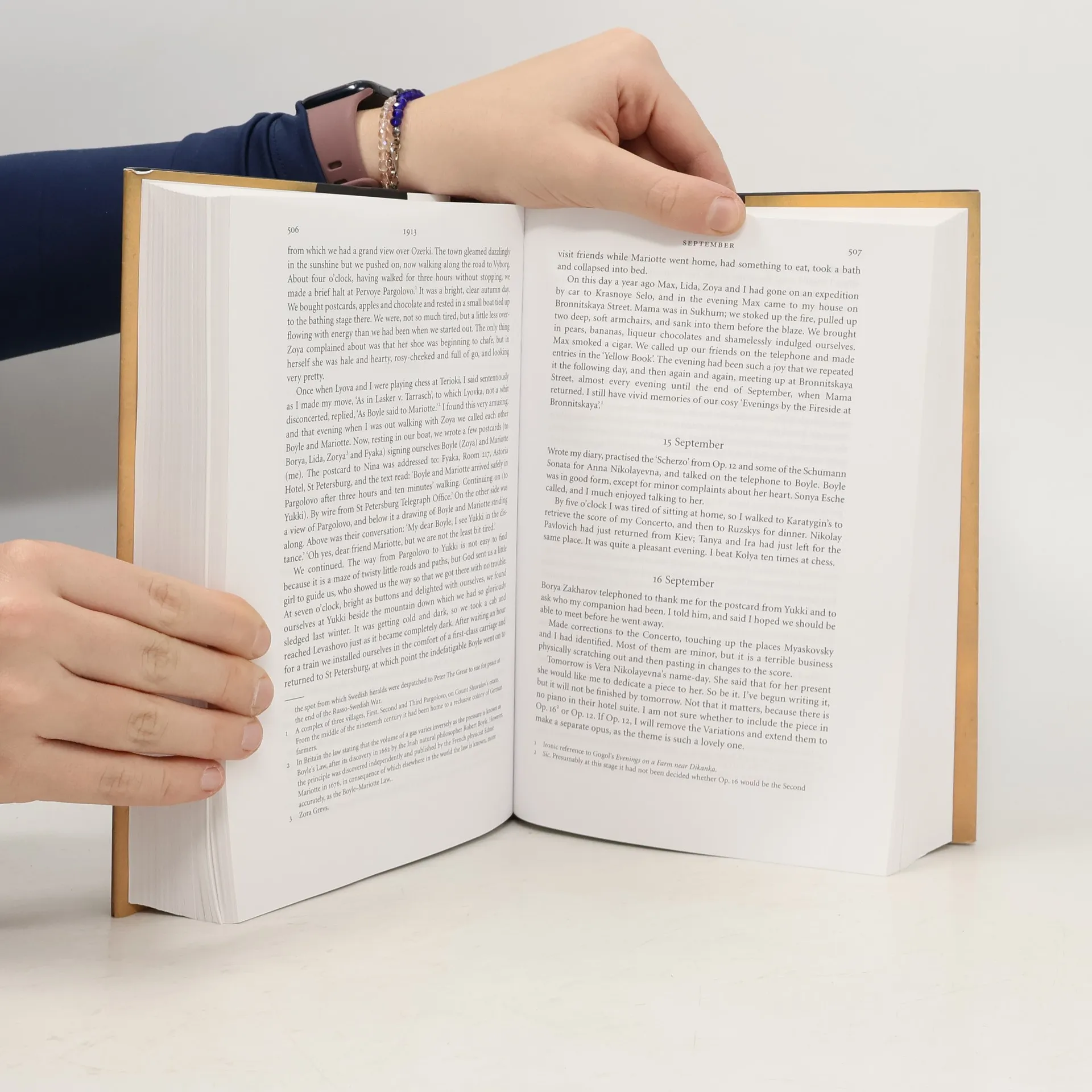
Prokofiev, a prolific diarist and unique writer, displayed a sardonic curiosity about people and events. After leaving Russia post-1917 Revolution, his diaries were salvaged from his family's Petrograd flat and hidden by Myaskovsky at great personal risk. Prokofiev later smuggled them out after his 1927 return to the Soviet Union. The later diaries, written while he was in the West, were returned to Russia posthumously, stored in a restricted section of the Russian State Archive. Eventually, Prokofiev's son Sviatoslav transcribed these extensive writings. After moving to Paris, he and his son Sergei worked on making the partially encoded manuscript comprehensible. Volume 1 chronicles Prokofiev's years at the St. Petersburg Conservatoire, culminating in his graduation. While grappling with the traditions of notable figures like Rimsky-Korsakov and Glazunov, the young genius used his talent to challenge and ultimately surpass the establishment. The diaries reveal candid insights into the typical concerns of a young man asserting himself in society. Collectively, they offer a rich portrait of a vibrant era in Western art, featuring nearly every prominent musician and artist, serving as an invaluable and entertaining resource for scholars and fans of Prokofiev's music.
Zakup książki
Sergey Prokofiev Diaries 1907-1914, Sergej Sergeevic Prokofʹev, Anthony Phillips
- Język

- Rok wydania
- 2006
- Oprawa
- (twarda)
Metody płatności
Brakuje nam tutaj Twojej recenzji.
- Tytuł
- Sergey Prokofiev Diaries 1907-1914
- Podtytuł
- Prodigious Youth
- Język
- angielski
- Wydawca
- Faber and Faber
- Rok wydania
- 2006
- Oprawa
- twarda
- Liczba stron
- 835
- ISBN10
- 0571226299
- ISBN13
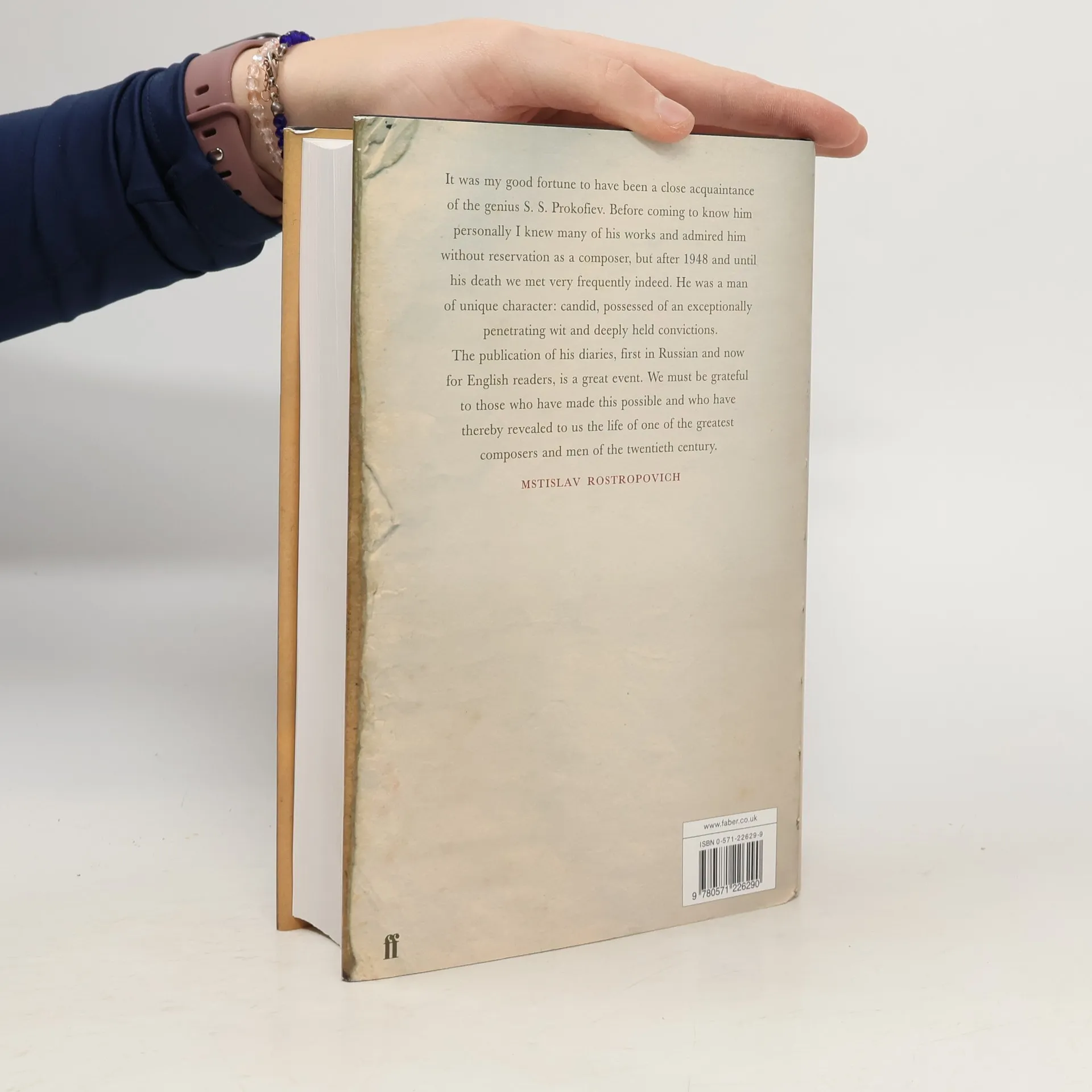
- 9780571226290
- Seria
- Ocena
- 4 z 5
- Opis
- Prokofiev, a prolific diarist and unique writer, displayed a sardonic curiosity about people and events. After leaving Russia post-1917 Revolution, his diaries were salvaged from his family's Petrograd flat and hidden by Myaskovsky at great personal risk. Prokofiev later smuggled them out after his 1927 return to the Soviet Union. The later diaries, written while he was in the West, were returned to Russia posthumously, stored in a restricted section of the Russian State Archive. Eventually, Prokofiev's son Sviatoslav transcribed these extensive writings. After moving to Paris, he and his son Sergei worked on making the partially encoded manuscript comprehensible. Volume 1 chronicles Prokofiev's years at the St. Petersburg Conservatoire, culminating in his graduation. While grappling with the traditions of notable figures like Rimsky-Korsakov and Glazunov, the young genius used his talent to challenge and ultimately surpass the establishment. The diaries reveal candid insights into the typical concerns of a young man asserting himself in society. Collectively, they offer a rich portrait of a vibrant era in Western art, featuring nearly every prominent musician and artist, serving as an invaluable and entertaining resource for scholars and fans of Prokofiev's music.