

Więcej o książce
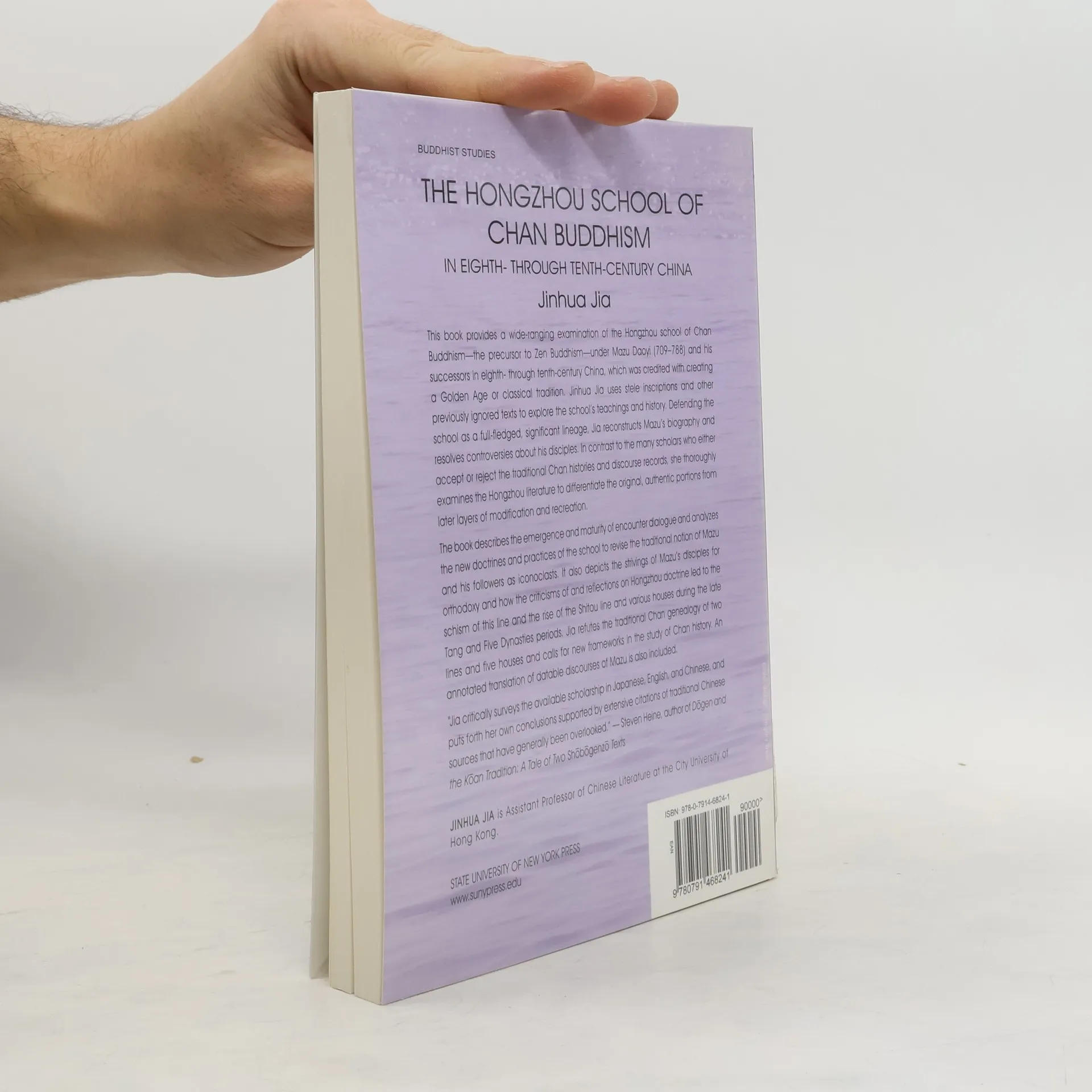
This comprehensive study of the Hongzhou school of Chan Buddhism examines its teachings and history during the eighth to tenth centuries, a period regarded as its Golden Age. Utilizing previously overlooked texts, including stele inscriptions, Jinhua Jia defends the school as a significant lineage, reconstructing Mazu Daoyi's biography and addressing controversies surrounding his disciples. Unlike many scholars who accept or reject traditional Chan histories, Jia meticulously analyzes Hongzhou literature to distinguish original texts from later modifications. The book details the emergence of encounter dialogue and offers new insights into the doctrines and practices of the school, challenging the view of Mazu and his followers as mere iconoclasts. It also explores the efforts of Mazu’s disciples to establish orthodoxy and how criticisms of Hongzhou doctrine contributed to the schism that led to the rise of the Shitou line and various houses during the late Tang and Five Dynasties. Jia critiques the conventional Chan genealogy of two lines and five houses, advocating for new frameworks in Chan history. An annotated translation of Mazu's discourses is included. The scholarship is praised for its meticulousness and depth, making it an essential resource for anyone interested in the development of Chan Buddhism.
Zakup książki
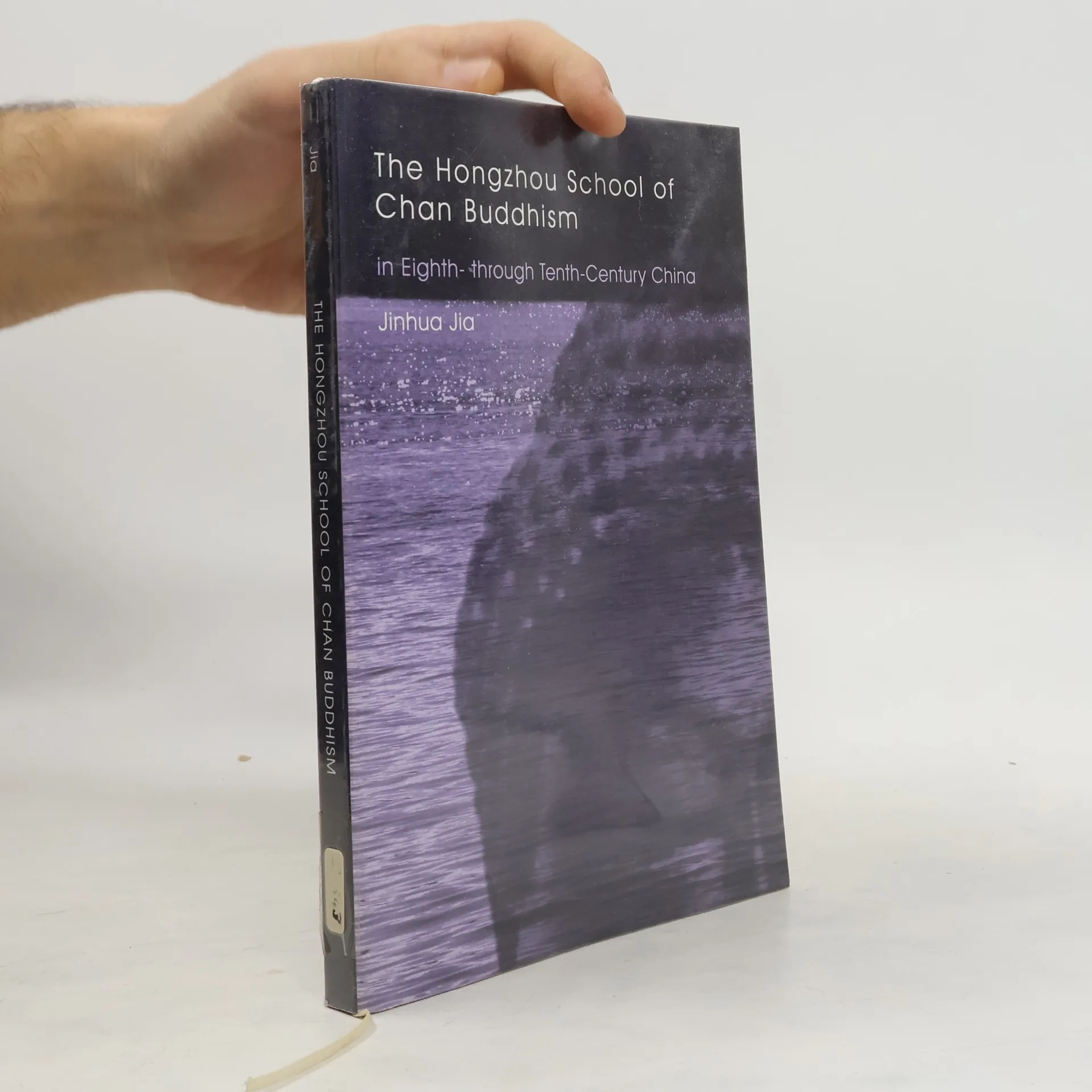
The Hongzhou School of Chan Buddhism in Eighth- through Tenth-Century China, Jinhua Jia
- Język

- Rok wydania
- 2007
- Oprawa
- (miękka)
Metody płatności
Brakuje nam tutaj Twojej recenzji.
- Tytuł
- The Hongzhou School of Chan Buddhism in Eighth- through Tenth-Century China
- Język
- angielski
- Autorzy
- Jinhua Jia
- Rok wydania
- 2007
- Oprawa
- miękka
- Liczba stron
- 236
- ISBN10
- 0791468240
- ISBN13
- 9780791468241
- Seria
- Kategorie
- Ocena
- 4 z 5
- Opis
- This comprehensive study of the Hongzhou school of Chan Buddhism examines its teachings and history during the eighth to tenth centuries, a period regarded as its Golden Age. Utilizing previously overlooked texts, including stele inscriptions, Jinhua Jia defends the school as a significant lineage, reconstructing Mazu Daoyi's biography and addressing controversies surrounding his disciples. Unlike many scholars who accept or reject traditional Chan histories, Jia meticulously analyzes Hongzhou literature to distinguish original texts from later modifications. The book details the emergence of encounter dialogue and offers new insights into the doctrines and practices of the school, challenging the view of Mazu and his followers as mere iconoclasts. It also explores the efforts of Mazu’s disciples to establish orthodoxy and how criticisms of Hongzhou doctrine contributed to the schism that led to the rise of the Shitou line and various houses during the late Tang and Five Dynasties. Jia critiques the conventional Chan genealogy of two lines and five houses, advocating for new frameworks in Chan history. An annotated translation of Mazu's discourses is included. The scholarship is praised for its meticulousness and depth, making it an essential resource for anyone interested in the development of Chan Buddhism.