

Parametry
- 432 strony
- 16 godzin czytania
Więcej o książce
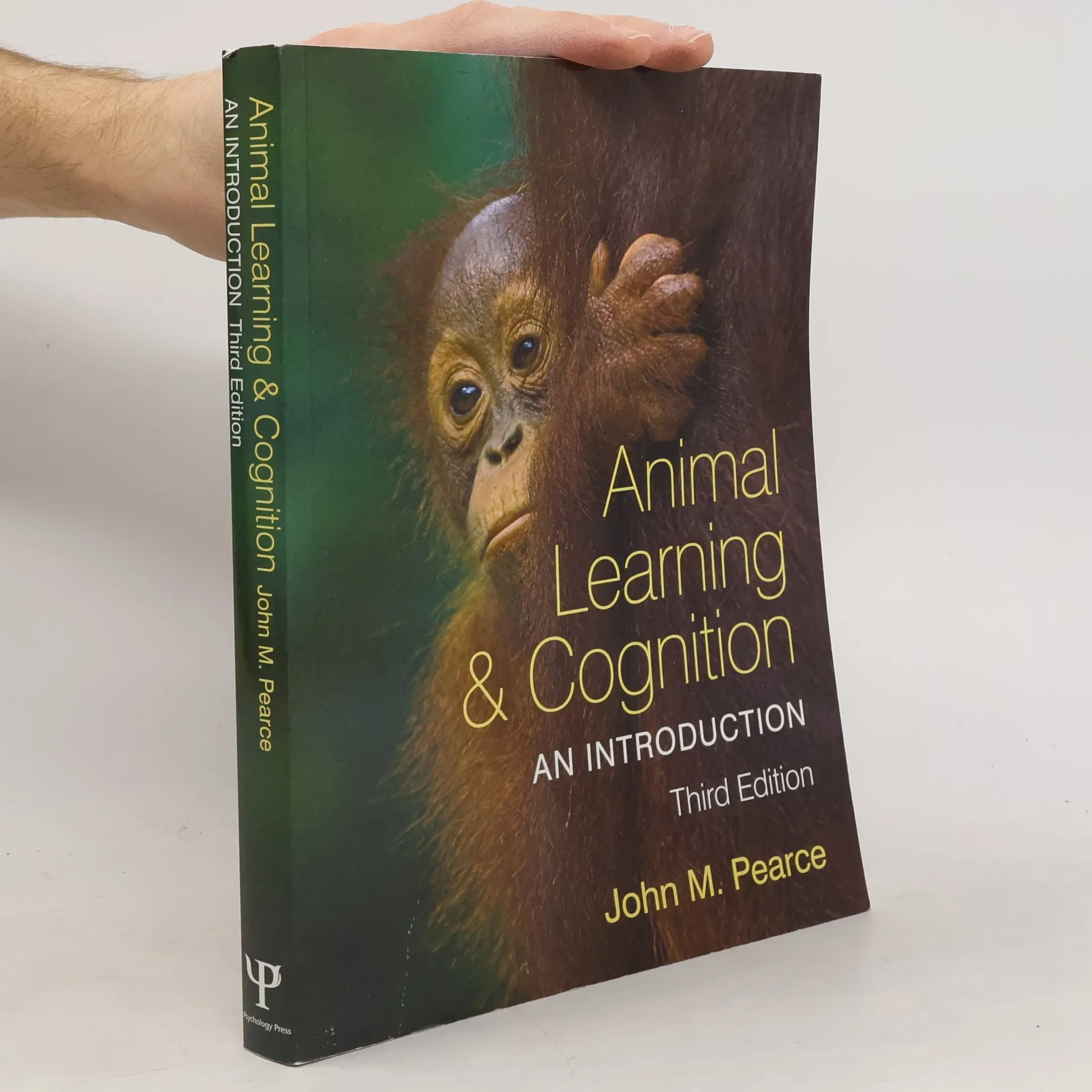
Animal Learning and Cognition: An Introduction offers a comprehensive review of over a century of research into animal intelligence, now updated to reflect significant developments from the past decade. The book begins with a historical overview of methods used to study animal intelligence and highlights the role of learning processes in intelligent behavior, covering topics such as Pavlovian and instrumental conditioning, discrimination learning, and categorization. The focus then shifts to animal cognition, addressing memory, navigation, social learning, language and communication, and knowledge representation. Notable expansions include a dedicated chapter on extinction, exploration of navigation in insects, episodic memory in birds, imitation in birds and primates, and discussions regarding primates' awareness of mental states. A concluding chapter reviews the distribution of intelligence across the animal kingdom. The wide array of topics ensures relevance for students of psychology, biology, zoology, and neuroscience, while requiring minimal background knowledge, making it accessible to anyone interested in animal intelligence or the origins of human intelligence. Additionally, the textbook includes free online resources for instructors, such as chapter-by-chapter lecture slides and a test bank of multiple-choice questions.
Zakup książki
Animal Learning and Cognition, John M. Pearce
- Język

- Rok wydania
- 2008
- Oprawa
- (miękka)
Metody płatności
Brakuje nam tutaj Twojej recenzji.
- Tytuł
- Animal Learning and Cognition
- Podtytuł
- An Introduction - Third Edition
- Język
- angielski
- Autorzy
- John M. Pearce
- Wydawca
- Psychology Press
- Rok wydania
- 2008
- Oprawa
- miękka
- Liczba stron
- 432
- ISBN10
- 1841696560
- ISBN13
- 9781841696560
- Seria
- Kategorie
- Tagi
- Podręczniki, Nauki przyrodnicze, Tematyka psychologiczna, Poradniki, Tematyka medyczna, Literatura fachowa, Podręczniki biologii, Zoologia
- Ocena
- 3,8 z 5
- Opis
- Animal Learning and Cognition: An Introduction offers a comprehensive review of over a century of research into animal intelligence, now updated to reflect significant developments from the past decade. The book begins with a historical overview of methods used to study animal intelligence and highlights the role of learning processes in intelligent behavior, covering topics such as Pavlovian and instrumental conditioning, discrimination learning, and categorization. The focus then shifts to animal cognition, addressing memory, navigation, social learning, language and communication, and knowledge representation. Notable expansions include a dedicated chapter on extinction, exploration of navigation in insects, episodic memory in birds, imitation in birds and primates, and discussions regarding primates' awareness of mental states. A concluding chapter reviews the distribution of intelligence across the animal kingdom. The wide array of topics ensures relevance for students of psychology, biology, zoology, and neuroscience, while requiring minimal background knowledge, making it accessible to anyone interested in animal intelligence or the origins of human intelligence. Additionally, the textbook includes free online resources for instructors, such as chapter-by-chapter lecture slides and a test bank of multiple-choice questions.