

Parametry
- 213 stron
- 8 godzin czytania
Więcej o książce
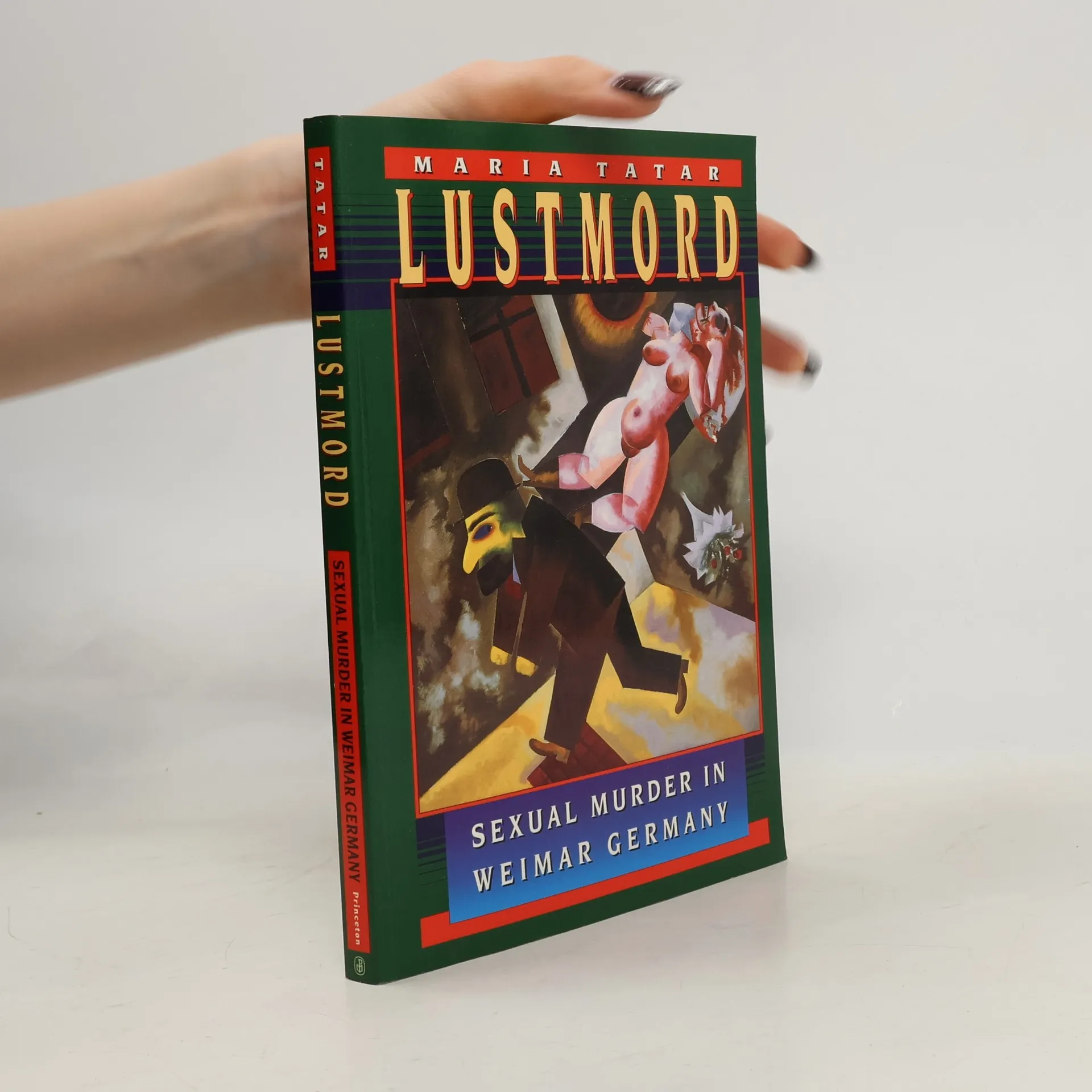
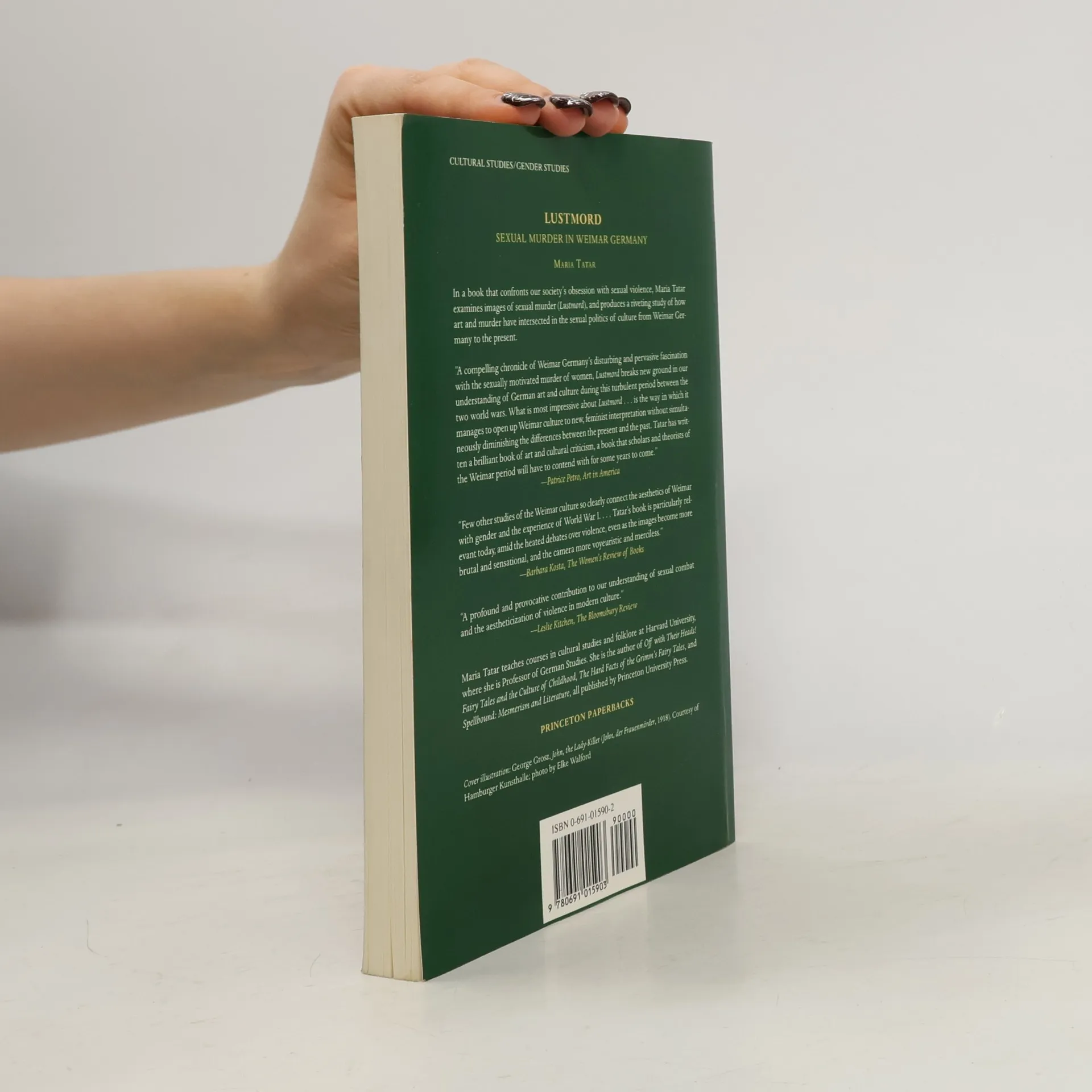
In a compelling examination of society's fixation on sexual violence, Maria Tatar delves into the unsettling image of the violated female corpse, prevalent in various art forms and media. She urges readers to reflect on the implications of these representations, particularly in the context of sexual murder (Lustmord). Tatar's study spans from Weimar Germany to contemporary culture, revealing how art and murder intersect within sexual politics. Focusing on the Weimar Republic, a time marked by avant-garde modernism, she highlights how depictions of female sexual mutilation proliferated. Male artists and writers, influenced by societal fears, portrayed women as adversaries to be dominated through artistic expression. Tatar illustrates how these artists often identified with real-life murderers, exemplified by George Grosz's provocative pose as Jack the Ripper. She analyzes notable cases of sexual murder that captivated public attention in Weimar Germany and discusses how the representation of murdered women served as a means to navigate social and sexual anxieties. Tatar connects violence against women to war trauma, urban issues, and cultural politics, revealing a complex interplay between victim and agent. This exploration shows how perpetrators can be recast as victims of seductive evil. Tatar's work fosters vital discussions on the forces shaping sexual violence and its portrayal in modern media.
Zakup książki
Lustmord, Maria Tatar
- Język

- Rok wydania
- 1995
- Oprawa
- (miękka)
Metody płatności
Brakuje nam tutaj Twojej recenzji.
- Tytuł
- Lustmord
- Podtytuł
- Sexual Murder in Weimar Germany
- Język
- angielski
- Autorzy
- Maria Tatar
- Wydawca
- Princeton University Press
- Rok wydania
- 1995
- Oprawa
- miękka
- Liczba stron
- 213
- ISBN10
- 0691015902
- ISBN13
- 9780691015903
- Seria
- Kategorie
- Tagi
- Sztuka, Niemcy, Morderstwa, Wojny, Kultura & Społeczeństwo, Krytyka literacka, Przemoc, Gender, Zachodnia Europa, Samobójstwo, Nienawiść, Prostytucja, Okrucieństwo & Terror, Zamachy, Kryminologia, Przemoc seksualna, Pornografia, Agresja, Kobiecość, Kuba Rozpruwacz, Propaganda nazistowska, Misanthropia, Zbrodnia, Wojna okopowa
- Ocena
- 3,8 z 5
- Opis
- In a compelling examination of society's fixation on sexual violence, Maria Tatar delves into the unsettling image of the violated female corpse, prevalent in various art forms and media. She urges readers to reflect on the implications of these representations, particularly in the context of sexual murder (Lustmord). Tatar's study spans from Weimar Germany to contemporary culture, revealing how art and murder intersect within sexual politics. Focusing on the Weimar Republic, a time marked by avant-garde modernism, she highlights how depictions of female sexual mutilation proliferated. Male artists and writers, influenced by societal fears, portrayed women as adversaries to be dominated through artistic expression. Tatar illustrates how these artists often identified with real-life murderers, exemplified by George Grosz's provocative pose as Jack the Ripper. She analyzes notable cases of sexual murder that captivated public attention in Weimar Germany and discusses how the representation of murdered women served as a means to navigate social and sexual anxieties. Tatar connects violence against women to war trauma, urban issues, and cultural politics, revealing a complex interplay between victim and agent. This exploration shows how perpetrators can be recast as victims of seductive evil. Tatar's work fosters vital discussions on the forces shaping sexual violence and its portrayal in modern media.