

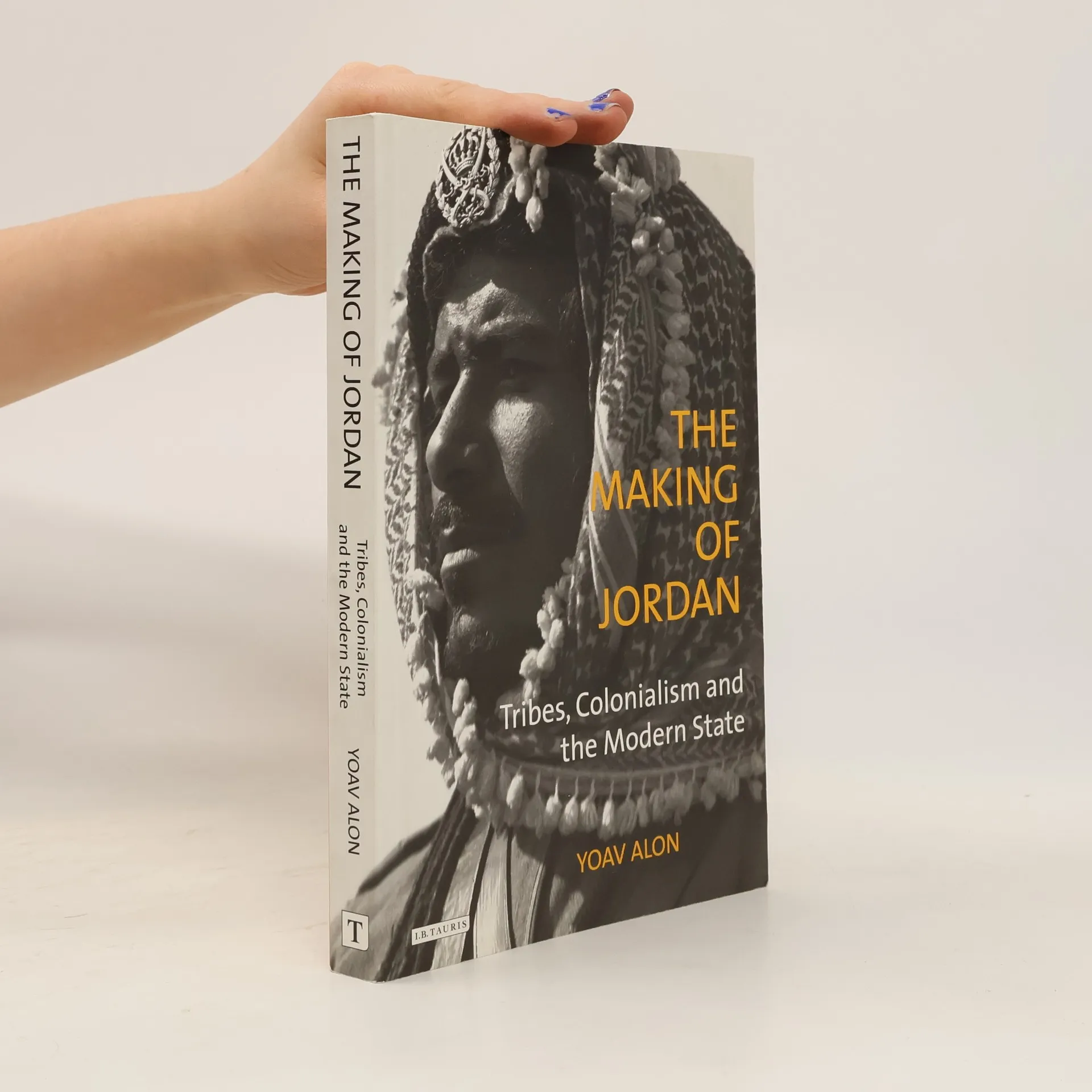


Library of Modern Middle East Studies: The Making of Jordan
Tribes, Colonialism and the Modern State
Autorzy
Ocena książki
Więcej o książce
At the beginning of the 20th Century Jordan, like much of the Middle East, was a loose collection of tribes. By the time of its independence in 1946 it had the most firmly embedded state structures in the Arab world. Drawing on previously untapped sources, Yoav Alon examines how the disparate clan networks of Jordan were integrated into the Hashemite monarchy, with the help of the British colonial administrators. Looking at the growth of key state institutions from a grassroots perspective, Alon shows how they co-opted the structures of tribal society, and produced a distinctive hybrid between modern statehood and tribal confederacy which still characterizes Jordan to this day. Alon’s innovative approach to the origins of modern Jordan provides fresh insights not only into Jordan itself but into colonialism, modernity and the development of the state in the Middle East.
Zakup książki
Library of Modern Middle East Studies: The Making of Jordan, Yoav Alon
- Język

- Rok wydania
- 2009
- Oprawa
- (miękka)
Metody płatności
Brakuje nam tutaj Twojej recenzji.
- Tytuł
- Library of Modern Middle East Studies: The Making of Jordan
- Podtytuł
- Tribes, Colonialism and the Modern State
- Język
- angielski
- Autorzy
- Yoav Alon
- Wydawca
- I.B. Tauris
- Rok wydania
- 2009
- Oprawa
- miękka
- Liczba stron
- 232
- ISBN10
- 1848850131
- ISBN13
- 9781848850132
- Seria
- Ocena
- 3,85 z 5
- Opis
- At the beginning of the 20th Century Jordan, like much of the Middle East, was a loose collection of tribes. By the time of its independence in 1946 it had the most firmly embedded state structures in the Arab world. Drawing on previously untapped sources, Yoav Alon examines how the disparate clan networks of Jordan were integrated into the Hashemite monarchy, with the help of the British colonial administrators. Looking at the growth of key state institutions from a grassroots perspective, Alon shows how they co-opted the structures of tribal society, and produced a distinctive hybrid between modern statehood and tribal confederacy which still characterizes Jordan to this day. Alon’s innovative approach to the origins of modern Jordan provides fresh insights not only into Jordan itself but into colonialism, modernity and the development of the state in the Middle East.