


Parametry
- 256 stron
- 9 godzin czytania
Więcej o książce
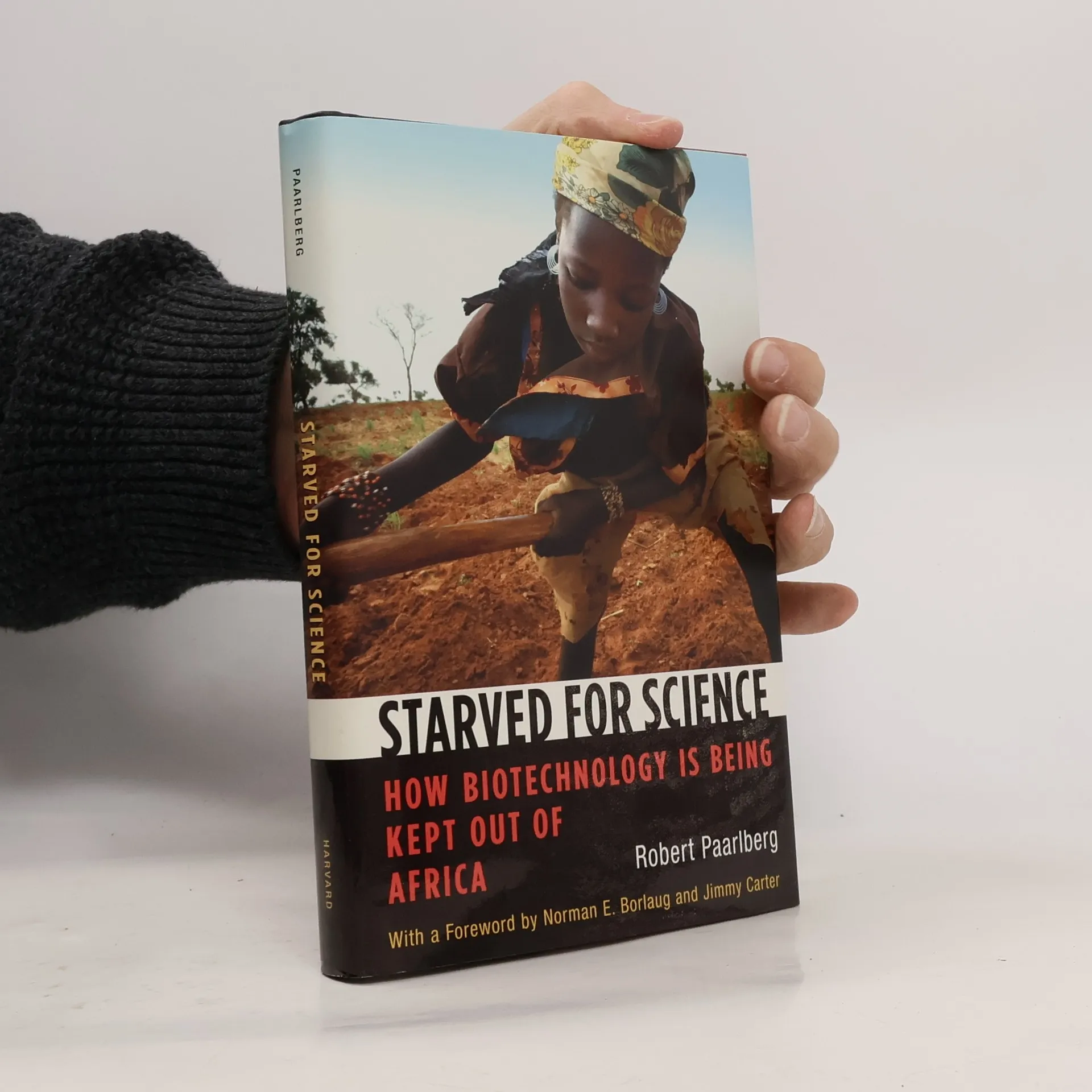
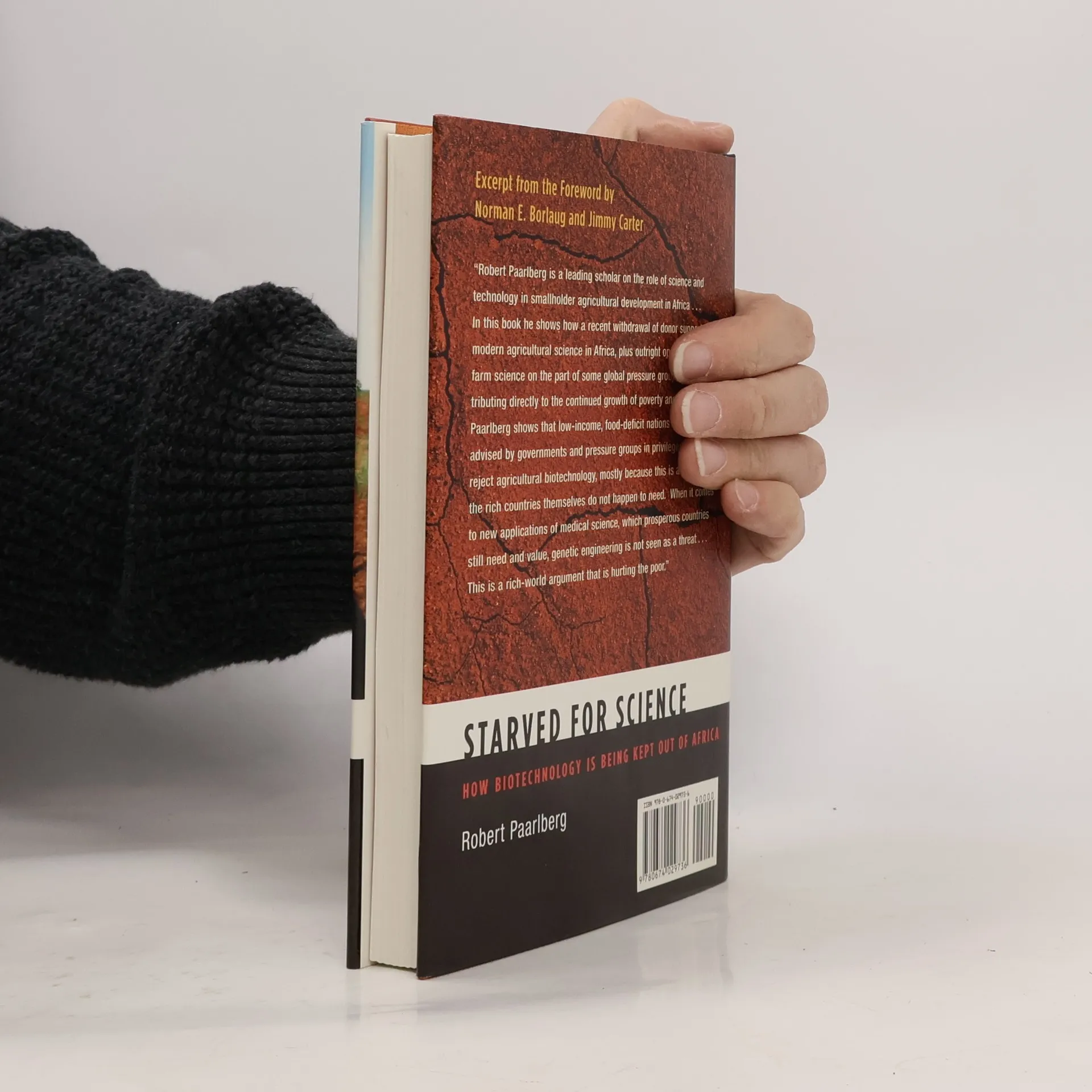
Heading upcountry in Africa to visit small farms is exhilarating, showcasing dramatic landscapes. However, the journey often leads to rutted dirt paths and requires traveling on foot. The farmers encountered are primarily women, hardworking yet visibly impoverished, lacking access to improved seeds, fertilizers, and irrigation, earning less than a dollar a day, with many facing malnutrition. Despite nearly two-thirds of Africans being employed in agriculture, per-capita production has declined by about 20 percent since 1970. While modern agricultural science significantly reduced rural poverty in Asia, similar advancements, including biotechnology, have been largely excluded from Africa. The author explains why poor African farmers are denied access to productive technologies, particularly genetically engineered seeds that offer better resistance to pests and drought. This exclusion is linked to opposition against farm science in wealthier nations. Having benefited from agricultural science, affluent countries now discourage African nations from pursuing similar paths, often on questionable grounds. The book argues that this cultural aversion to agricultural science is being inappropriately imposed on Africa, with opponents suggesting that it is preferable for African farmers to remain impoverished rather than embrace technological advancements.
Zakup książki
Starved for Science, Robert Paarlberg, Norman E. Borlaug, Jimmy Carter
- Język

- Rok wydania
- 2008
- Oprawa
- (twarda)
Metody płatności
Brakuje nam tutaj Twojej recenzji.
- Tytuł
- Starved for Science
- Podtytuł
- How Biotechnology Is Being Kept Out of Africa
- Język
- angielski
- Wydawca
- Harvard University Press
- Rok wydania
- 2008
- Oprawa
- twarda
- Liczba stron
- 256
- ISBN10
- 0674029739
- ISBN13
- 9780674029736
- Seria
- Kategorie
- Tagi
- Biznes, Polityka, Nauka, USA, Technologia, Jedzenie, Problemy społeczne, Afryka, Teorie polityczne, Biotechnologia, Inżynieria Genetyczna
- Ocena
- 3,85 z 5
- Opis
- Heading upcountry in Africa to visit small farms is exhilarating, showcasing dramatic landscapes. However, the journey often leads to rutted dirt paths and requires traveling on foot. The farmers encountered are primarily women, hardworking yet visibly impoverished, lacking access to improved seeds, fertilizers, and irrigation, earning less than a dollar a day, with many facing malnutrition. Despite nearly two-thirds of Africans being employed in agriculture, per-capita production has declined by about 20 percent since 1970. While modern agricultural science significantly reduced rural poverty in Asia, similar advancements, including biotechnology, have been largely excluded from Africa. The author explains why poor African farmers are denied access to productive technologies, particularly genetically engineered seeds that offer better resistance to pests and drought. This exclusion is linked to opposition against farm science in wealthier nations. Having benefited from agricultural science, affluent countries now discourage African nations from pursuing similar paths, often on questionable grounds. The book argues that this cultural aversion to agricultural science is being inappropriately imposed on Africa, with opponents suggesting that it is preferable for African farmers to remain impoverished rather than embrace technological advancements.