


Parametry
- 97 stron
- 4 godziny czytania
Więcej o książce
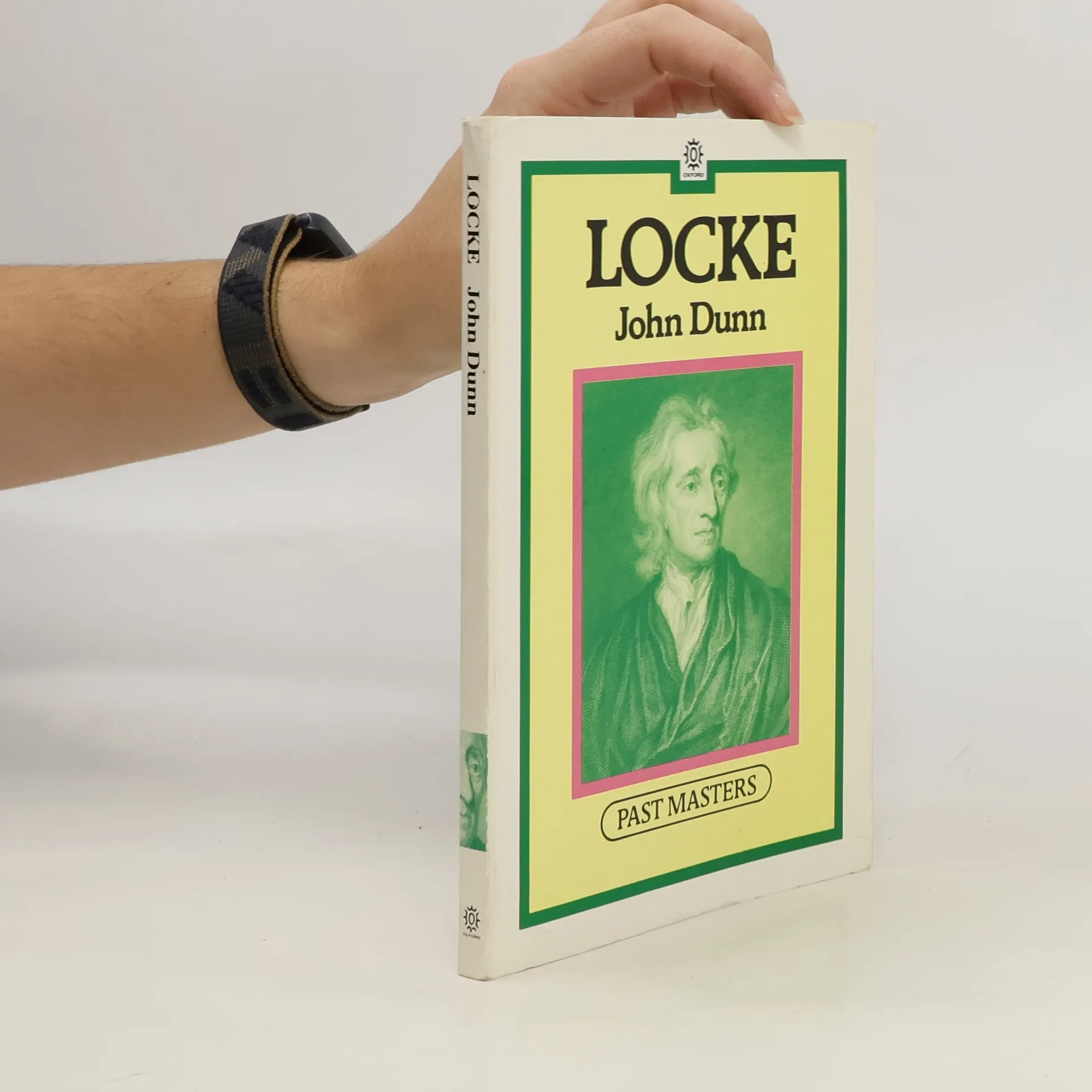
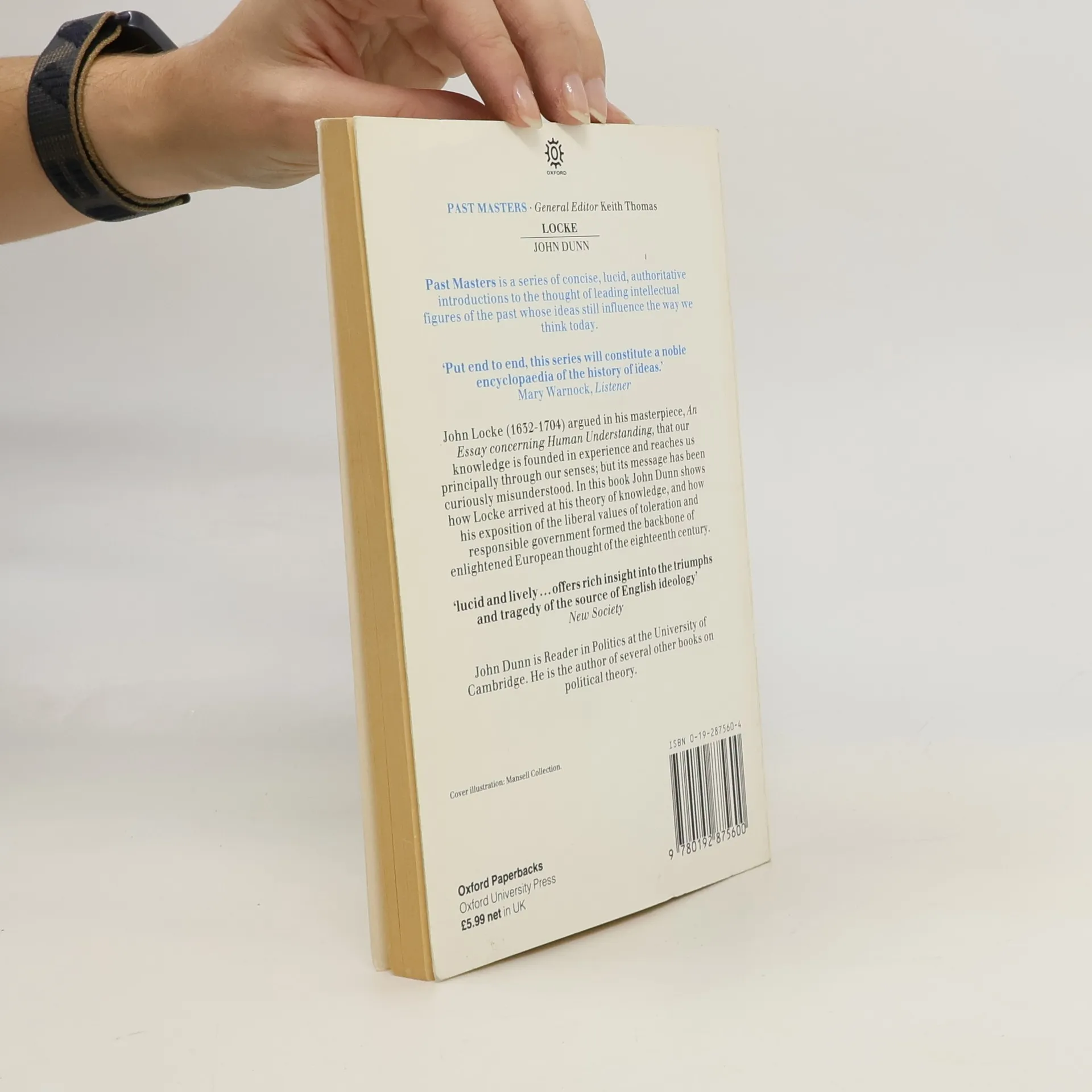
How can human beings know anything? How should they live? John Locke (1632-1704) dedicated his intellectual energy to these fundamental philosophical questions, which continue to challenge modern thinkers. He considered An Essay Concerning Human Understanding his masterpiece, arguing that human knowledge is rooted in experience and primarily acquired through the senses. Despite its acclaim, the work's message has often been misunderstood. John Dunn contextualizes Locke's theory of knowledge as the culmination of his lifelong concerns, illustrating why Locke arrived at his conclusions and how his ideas profoundly influenced later philosophers and natural scientists. While Locke was less certain about how individuals should conduct their lives, his exploration of liberal values, such as toleration and responsible government, significantly shaped 18th-century European thought. Today, many in the West unknowingly owe their understanding of individual life and political experience to Locke's contributions.
Zakup książki
Locke, John Dunn
- Język

- Rok wydania
- 1984
- Oprawa
- (miękka)
Metody płatności
Brakuje nam tutaj Twojej recenzji.
- Tytuł
- Locke
- Język
- angielski
- Autorzy
- John Dunn
- Wydawca
- Oxford University Press
- Rok wydania
- 1984
- Oprawa
- miękka
- Liczba stron
- 97
- ISBN10
- 0192875604
- ISBN13
- 9780192875600
- Seria
- Kategorie
- Tagi
- Podręczniki, Podręczniki językowe & Słowniki, Poradniki, Polityka, Podręczniki językowe, Podręczniki do historii, XVII wiek
- Ocena
- 3,55 z 5
- Opis
- How can human beings know anything? How should they live? John Locke (1632-1704) dedicated his intellectual energy to these fundamental philosophical questions, which continue to challenge modern thinkers. He considered An Essay Concerning Human Understanding his masterpiece, arguing that human knowledge is rooted in experience and primarily acquired through the senses. Despite its acclaim, the work's message has often been misunderstood. John Dunn contextualizes Locke's theory of knowledge as the culmination of his lifelong concerns, illustrating why Locke arrived at his conclusions and how his ideas profoundly influenced later philosophers and natural scientists. While Locke was less certain about how individuals should conduct their lives, his exploration of liberal values, such as toleration and responsible government, significantly shaped 18th-century European thought. Today, many in the West unknowingly owe their understanding of individual life and political experience to Locke's contributions.