



Więcej o książce
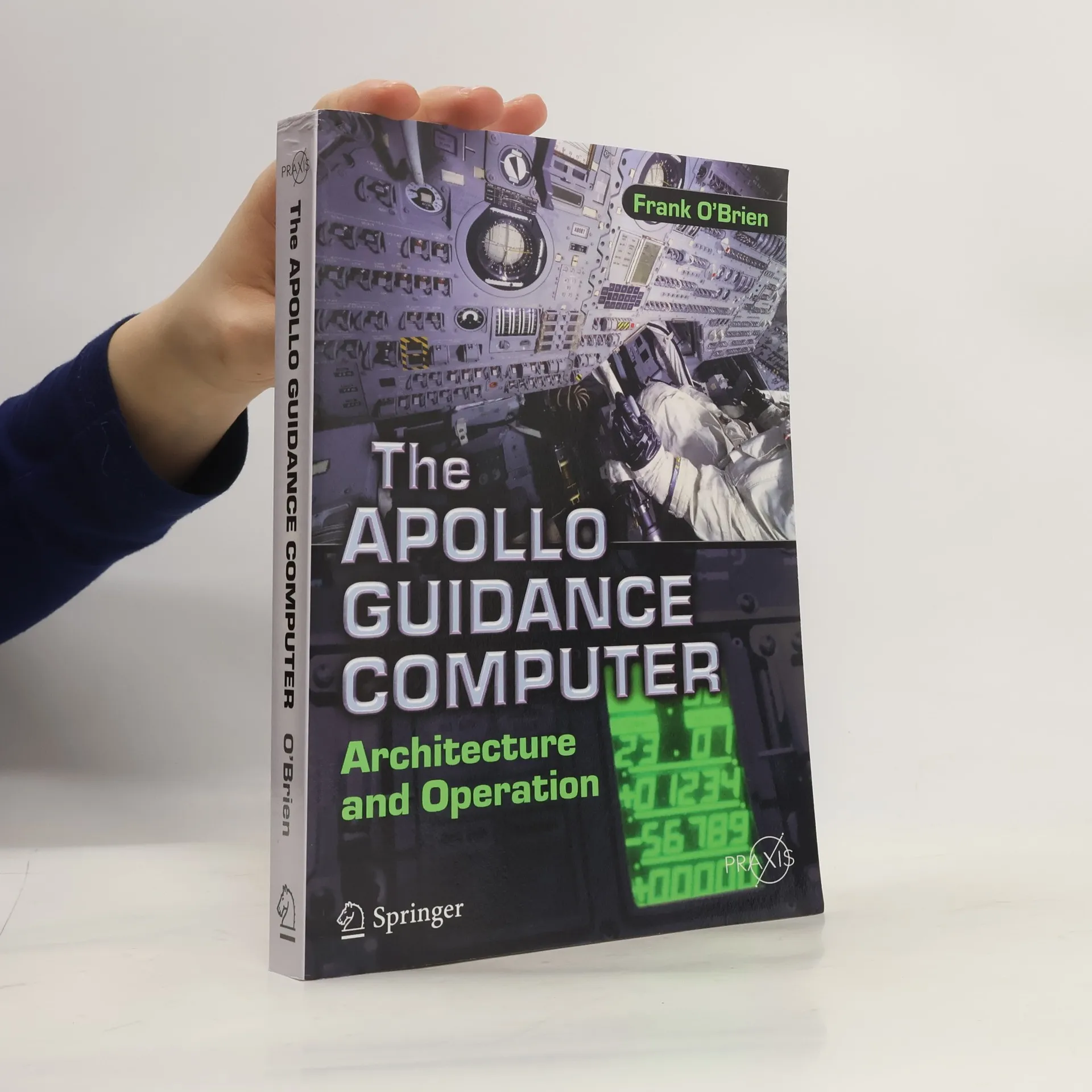
Designing a mission to the Moon involves balancing various spacecraft systems, each with complex and often conflicting requirements. The Apollo Guidance Computer (AGC) was pivotal to the lunar missions, despite being compact and low-power compared to the room-sized computers of the 1960s. Its design limitations and speed challenges were significant, yet engineers successfully created a system capable of guiding a complex spacecraft and its human crew from Earth to the Moon. While modern audiences may struggle to believe a 'primitive' computer could achieve such feats, the AGC's capabilities remain impressive even by today’s standards. This comprehensive account details the AGC's architecture, user interface, and flight software, with a focus on its instruction set, Executive capabilities, Interpreter, and mission application software procedures. It thoroughly explains the processes of launch, lunar landing, and re-entry, highlighting the computer's integral role in spacecraft operations. Spanning computer science, aerospace engineering, and spacecraft operations, this work serves as an essential reference for space historians and engineers, and is also a valuable resource for computer science courses.
Zakup książki
Springer Praxis Books: The Apollo Guidance Computer, Frank O'Brien
- Język

- Rok wydania
- 2010
- Oprawa
- (miękka)
Metody płatności
Brakuje nam tutaj Twojej recenzji.
- Tytuł
- Springer Praxis Books: The Apollo Guidance Computer
- Podtytuł
- Architecture and Operation
- Język
- angielski
- Autorzy
- Frank O'Brien
- Wydawca
- Praxis
- Rok wydania
- 2010
- Oprawa
- miękka
- Liczba stron
- 430
- ISBN10
- 1441908765
- ISBN13
- 9781441908766
- Seria
- Tagi
- Tematy historyczne, Nauka, USA, Technologia, Kosmos, Inżynieria
- Ocena
- 4,35 z 5
- Opis
- Designing a mission to the Moon involves balancing various spacecraft systems, each with complex and often conflicting requirements. The Apollo Guidance Computer (AGC) was pivotal to the lunar missions, despite being compact and low-power compared to the room-sized computers of the 1960s. Its design limitations and speed challenges were significant, yet engineers successfully created a system capable of guiding a complex spacecraft and its human crew from Earth to the Moon. While modern audiences may struggle to believe a 'primitive' computer could achieve such feats, the AGC's capabilities remain impressive even by today’s standards. This comprehensive account details the AGC's architecture, user interface, and flight software, with a focus on its instruction set, Executive capabilities, Interpreter, and mission application software procedures. It thoroughly explains the processes of launch, lunar landing, and re-entry, highlighting the computer's integral role in spacecraft operations. Spanning computer science, aerospace engineering, and spacecraft operations, this work serves as an essential reference for space historians and engineers, and is also a valuable resource for computer science courses.