

Parametry
Więcej o książce
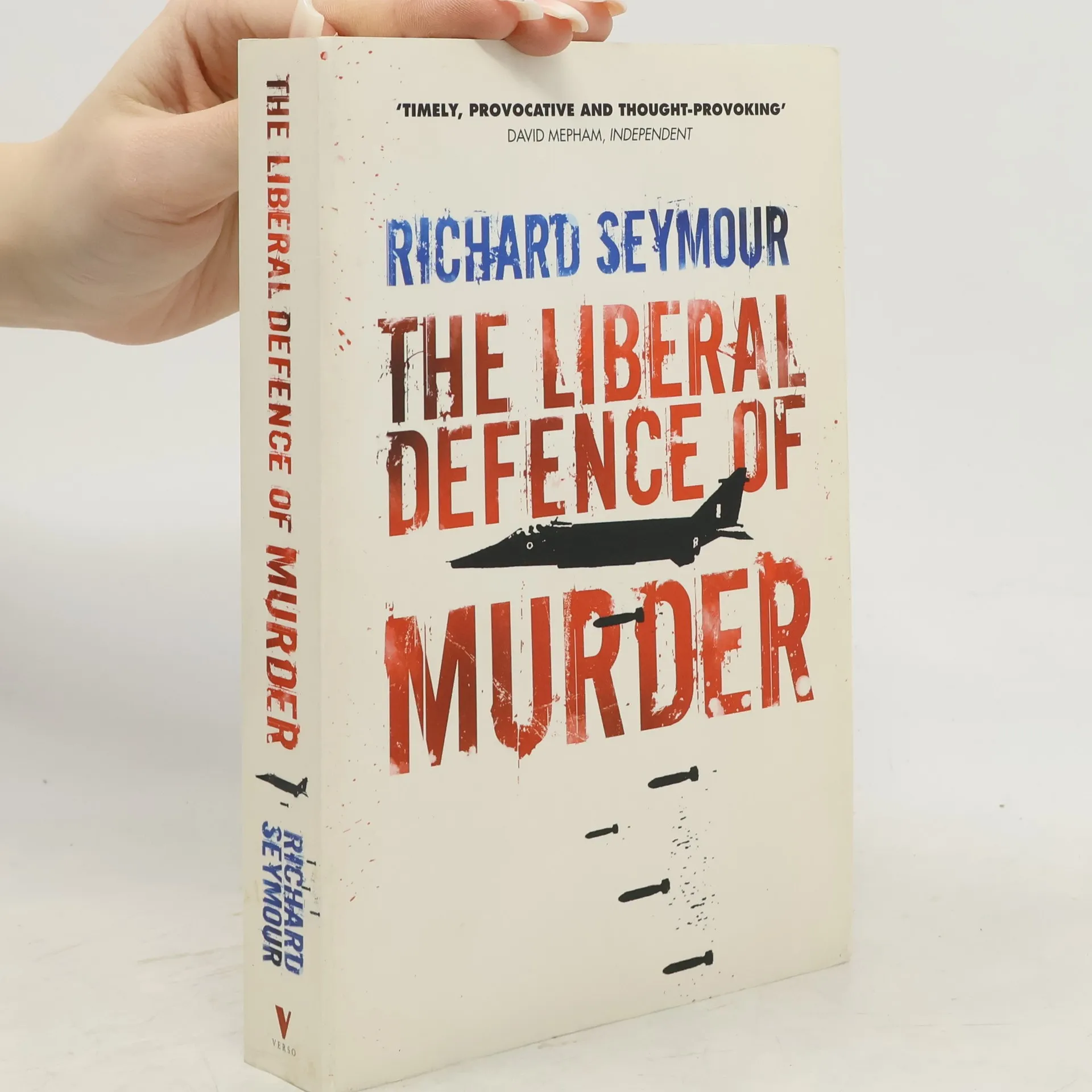
A war that has killed more than a million Iraqis was a “humanitarian intervention”, the US army is a force for liberation, and the main threat to world peace is posed by Islam. These are the arguments of a host of liberal commentators, including such notable names as Christopher Hitchens, Kanan Makiya, Michael Ignatieff, Paul Berman, and Bernard-Henri Lévy. In this critical intervention, Richard Seymour unearths the history of liberal justifications for empire, showing how savage policies of conquest—including genocide and slavery—have been retailed as charitable missions. From the Cold War to the War on Terror, Seymour argues that colonialist notions of “civilization” and “progress” still shape liberal pro-war discourse, concealing the same bloody realities. In a new afterword, Seymour revisits the debates on liberal imperialism in the era of Obama and in the light of the Afghan and Iraqi debacles.
Zakup książki
The Liberal Defence of Murder, John J. Hill
- Język

- Rok wydania
- 2012
- Oprawa
- (miękka)
Metody płatności
Brakuje nam tutaj Twojej recenzji.
- Tytuł
- The Liberal Defence of Murder
- Język
- angielski
- Autorzy
- John J. Hill
- Wydawca
- Verso Books
- Rok wydania
- 2012
- Oprawa
- miękka
- ISBN10
- 184467861X
- ISBN13
- 9781844678617
- Seria
- Kategorie
- Tagi
- Biznes, Tematyka filozoficzna, Dziennikarstwo & Publicystyka, Teorie polityczne, Polityka Światowa
- Ocena
- 4 z 5
- Opis
- A war that has killed more than a million Iraqis was a “humanitarian intervention”, the US army is a force for liberation, and the main threat to world peace is posed by Islam. These are the arguments of a host of liberal commentators, including such notable names as Christopher Hitchens, Kanan Makiya, Michael Ignatieff, Paul Berman, and Bernard-Henri Lévy. In this critical intervention, Richard Seymour unearths the history of liberal justifications for empire, showing how savage policies of conquest—including genocide and slavery—have been retailed as charitable missions. From the Cold War to the War on Terror, Seymour argues that colonialist notions of “civilization” and “progress” still shape liberal pro-war discourse, concealing the same bloody realities. In a new afterword, Seymour revisits the debates on liberal imperialism in the era of Obama and in the light of the Afghan and Iraqi debacles.