

Więcej o książce
The relationship of part to whole is one of the most fundamental there is, yet until now there has been no full-length study of this concept. This book shows that mereology, the formal theory of part and whole, is essential to ontology. Peter Simons surveys and criticizes previous theories, especially the standard extensional view, and proposes a more adequate account which encompasses both temporal and modal considerations in detail. This has far-reaching consequences for our understanding of such classical philosophical concepts as identity, individual, class, substance and accident, matter, form, essence, dependence, and integral whole. It also enables the author to offer new solutions to long-standing problems surrounding these concepts, such as the Ship of Theseus Problem and the issue of mereological essentialism. The author shows by his use of formal techniques that classical philosophical problems are amenable to rigorous treatment, and the book represents a synthesis of issues and methods from the analytical tradition and from the older continental realist tradition of Brentano and the early Husserl.
Zakup książki
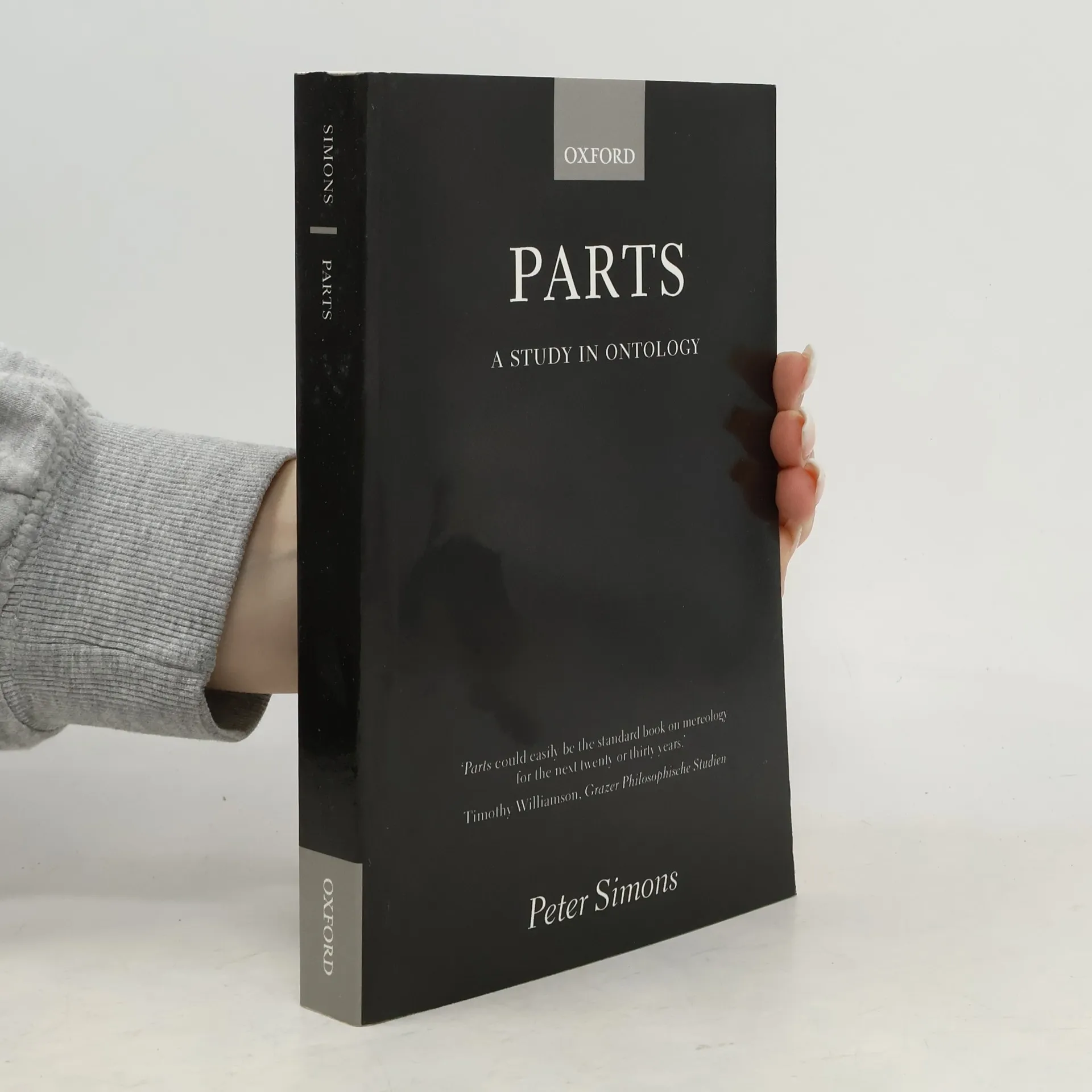
Parts, Peter Simons
- Język

- Rok wydania
- 1987
- Oprawa
- (miękka)
Metody płatności
Brakuje nam tutaj Twojej recenzji.
- Tytuł
- Parts
- Podtytuł
- A Study in Ontology
- Język
- angielski
- Autorzy
- Peter Simons
- Rok wydania
- 1987
- Oprawa
- miękka
- Liczba stron
- 390
- ISBN10
- 0199241465
- ISBN13
- 9780199241460
- Seria
- Ocena
- 4,4 z 5
- Opis
- The relationship of part to whole is one of the most fundamental there is, yet until now there has been no full-length study of this concept. This book shows that mereology, the formal theory of part and whole, is essential to ontology. Peter Simons surveys and criticizes previous theories, especially the standard extensional view, and proposes a more adequate account which encompasses both temporal and modal considerations in detail. This has far-reaching consequences for our understanding of such classical philosophical concepts as identity, individual, class, substance and accident, matter, form, essence, dependence, and integral whole. It also enables the author to offer new solutions to long-standing problems surrounding these concepts, such as the Ship of Theseus Problem and the issue of mereological essentialism. The author shows by his use of formal techniques that classical philosophical problems are amenable to rigorous treatment, and the book represents a synthesis of issues and methods from the analytical tradition and from the older continental realist tradition of Brentano and the early Husserl.