

Więcej o książce
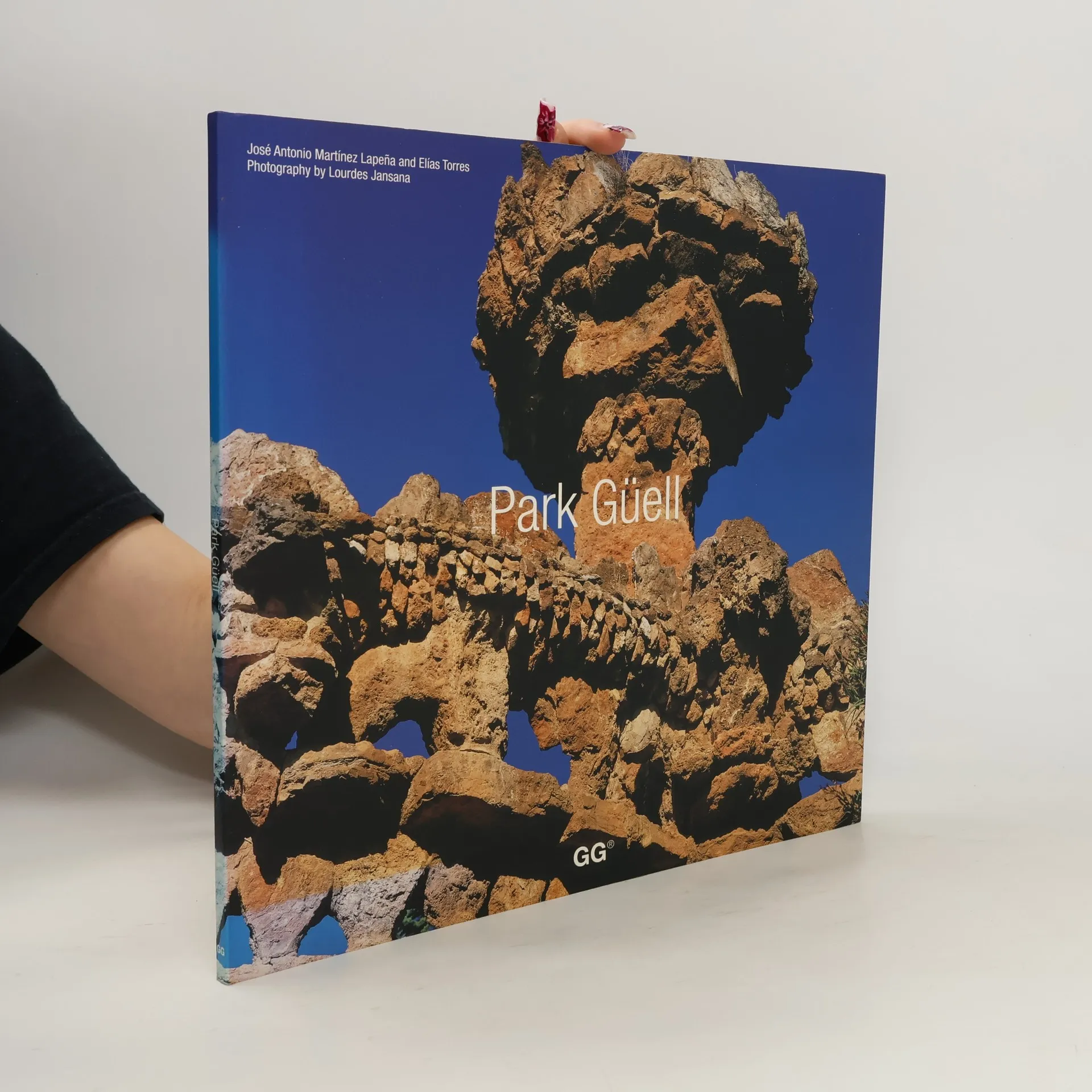
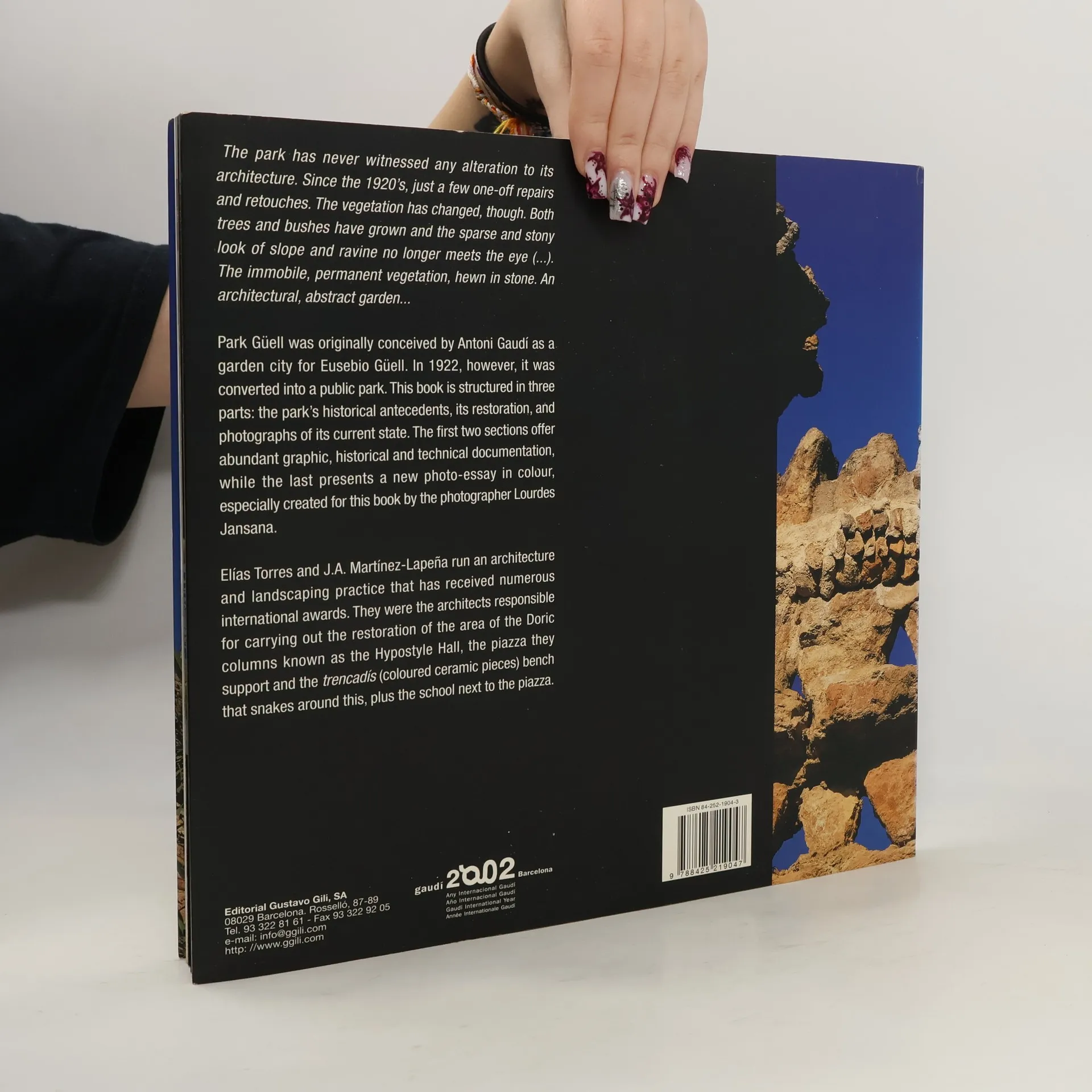
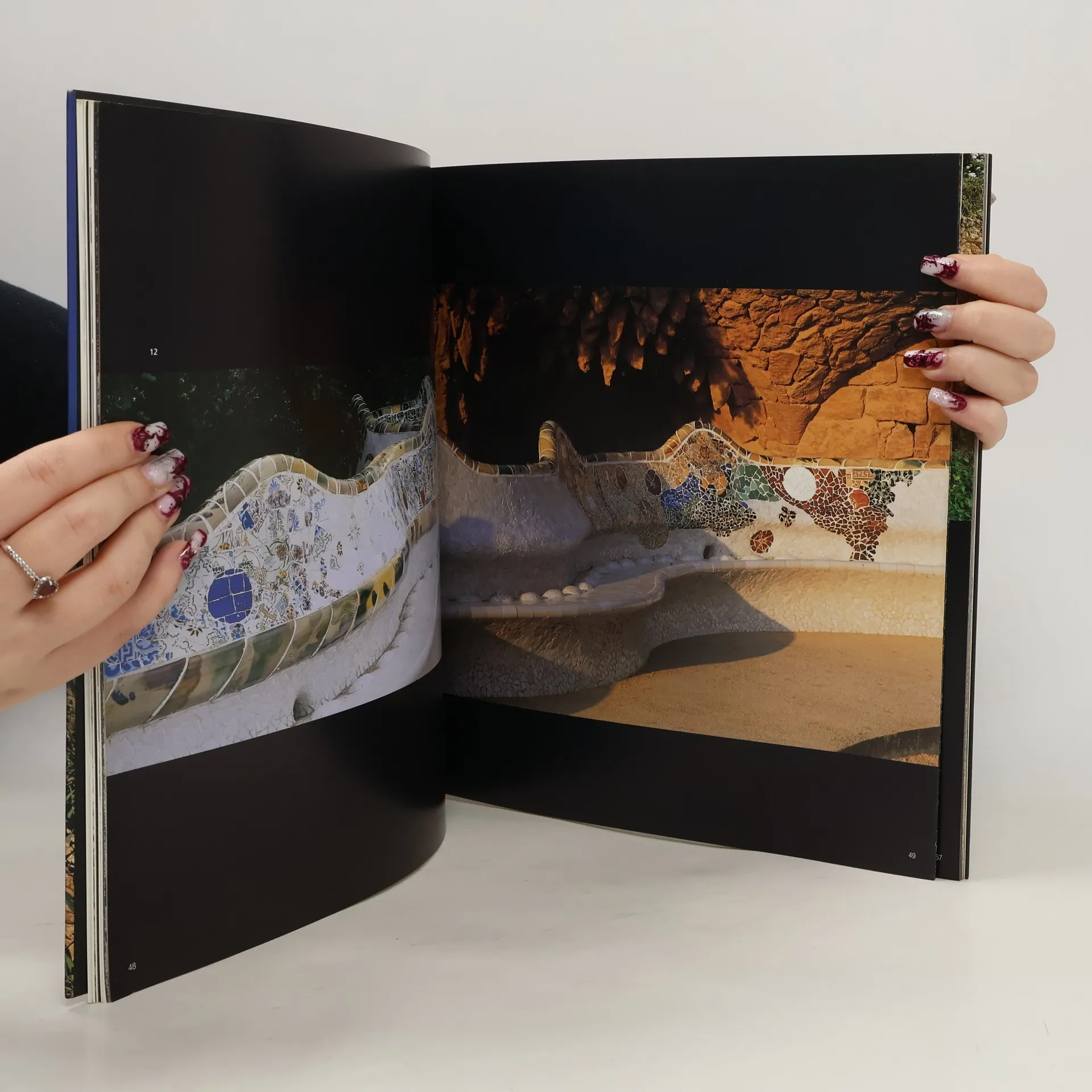
Park Güell was originally conceived by Antoni Gaudí as a garden city for Eusebio Güell. In 1922, however, it was converted into a public park. This book is structured in three the park's historical antecedents, its restoration, and photographs of its current state. The first two sections offer abundant graphic, historical and technical documentation, while the last presents a new photo-essay in colour, especially created for this book by the photographer Lourdes Jansana.Elías Torres and J.A. Martínez-Lapeña run an architecture and landscaping practice that has received numerous international awards. They were the architects responsible for carrying out the restoration of the area of the Doric columns known as the Hypostyle Hall, the piazza they support and the trencadís (coloured ceramic pieces) bench that snakes around this, plus the school next to the piazza.
Zakup książki
Park Güell, José Antonio Martínez Lapeña, Elías Torres, Lourdes Jansana
- Język

- Rok wydania
- 2002
- Oprawa
- (miękka)
Metody płatności
Nikt jeszcze nie ocenił.
- Tytuł
- Park Güell
- Język
- angielski
- Wydawca
- Editorial Gustavo Gili, S.L.
- Rok wydania
- 2002
- Oprawa
- miękka
- Liczba stron
- 87
- ISBN10
- 8425219043
- ISBN13
- 9788425219047
- Seria
- Kategorie
- Opis
- Park Güell was originally conceived by Antoni Gaudí as a garden city for Eusebio Güell. In 1922, however, it was converted into a public park. This book is structured in three the park's historical antecedents, its restoration, and photographs of its current state. The first two sections offer abundant graphic, historical and technical documentation, while the last presents a new photo-essay in colour, especially created for this book by the photographer Lourdes Jansana.Elías Torres and J.A. Martínez-Lapeña run an architecture and landscaping practice that has received numerous international awards. They were the architects responsible for carrying out the restoration of the area of the Doric columns known as the Hypostyle Hall, the piazza they support and the trencadís (coloured ceramic pieces) bench that snakes around this, plus the school next to the piazza.