



Parametry
- 600 stron
- 21 godzin czytania
Więcej o książce
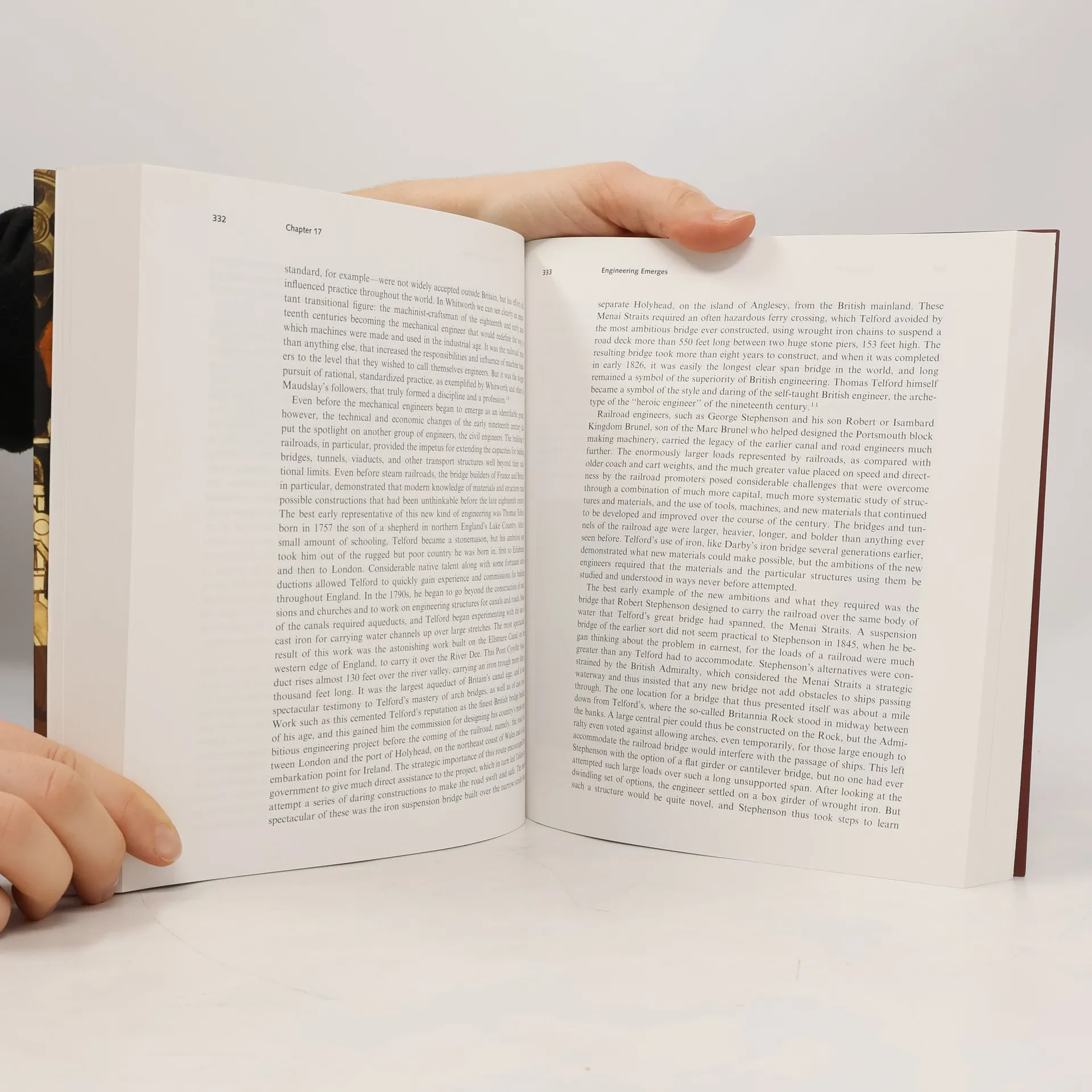
This work explores how technological change in the West has been driven by the pursuit of improvement, tracing a history that spans from plows and printing presses to penicillin, the atomic bomb, and computers. The author argues that this change arises from a deep-rooted belief in doing things better, which he terms the culture of improvement. This belief influences everyday tasks, from agriculture to parenting and warfare. Improvements can be fleeting or enduring, and perceptions of what constitutes an improvement can vary widely among individuals. The author emphasizes the social processes that define and determine the longevity of these improvements, highlighting the historical winners and losers that emerge from this dynamic. The narratives presented span from the eleventh century to the twenty-first, featuring both well-known inventors and lesser-known figures, such as the Italian preacher who described eyeglasses and the engineer who inspired the Eiffel Tower. The author also cautions that the faith in improvement can lead to dire consequences, including more lethal warfare and the dark paths of eugenics and genocide. This comprehensive and engaging account illustrates how the quest for improvement has fundamentally shaped the modern world.
Zakup książki
A Culture of Improvement, Robert Friedel
- Język

- Rok wydania
- 2010
- Oprawa
- (miękka)
Metody płatności
Brakuje nam tutaj Twojej recenzji.
- Tytuł
- A Culture of Improvement
- Podtytuł
- Technology and the Western Millennium
- Język
- angielski
- Autorzy
- Robert Friedel
- Wydawca
- MIT Press
- Rok wydania
- 2010
- Oprawa
- miękka
- Liczba stron
- 600
- ISBN10
- 026251401X
- ISBN13
- 9780262514019
- Seria
- Kategorie
- Tagi
- Biznes, Przygodowe, Tematyka psychologiczna, Poradniki, Tematyka filozoficzna, Sport, USA, Wojny, Technologia, Edukacja & Szkolnictwo, Szkoła, Lotnictwo, Historia Europy, Przywództwo, Piłka nożna, Historia USA, Kultura, Zatrudnienie, Inżynieria, Okultyzm, Strategia, Innowacje, Wynalazcy
- Ocena
- 2,5 z 5
- Opis
- This work explores how technological change in the West has been driven by the pursuit of improvement, tracing a history that spans from plows and printing presses to penicillin, the atomic bomb, and computers. The author argues that this change arises from a deep-rooted belief in doing things better, which he terms the culture of improvement. This belief influences everyday tasks, from agriculture to parenting and warfare. Improvements can be fleeting or enduring, and perceptions of what constitutes an improvement can vary widely among individuals. The author emphasizes the social processes that define and determine the longevity of these improvements, highlighting the historical winners and losers that emerge from this dynamic. The narratives presented span from the eleventh century to the twenty-first, featuring both well-known inventors and lesser-known figures, such as the Italian preacher who described eyeglasses and the engineer who inspired the Eiffel Tower. The author also cautions that the faith in improvement can lead to dire consequences, including more lethal warfare and the dark paths of eugenics and genocide. This comprehensive and engaging account illustrates how the quest for improvement has fundamentally shaped the modern world.