



Więcej o książce
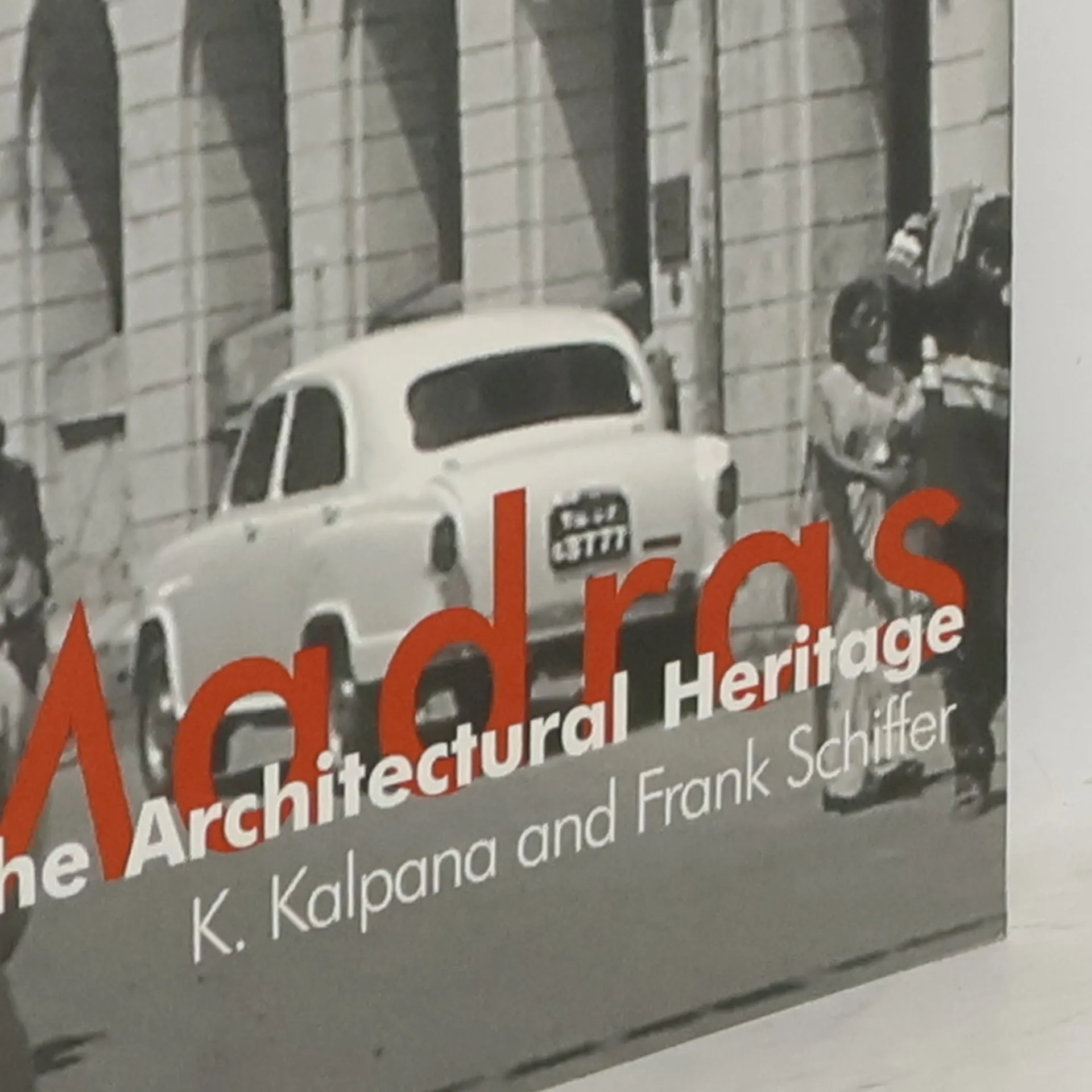
Several Indian cities, born from colonization, showcased the colonizer's power through grand buildings, wide roads, and expansive parks. Their architecture initially mirrored established European styles but later evolved into a blend of local traditions. Madras, one of the first major British settlements, has rapidly developed, often at the expense of its heritage. The city's rich architectural wealth, particularly the Indo-Saracenic style—a fusion of Hindu and Islamic elements—is quickly disappearing. This richly illustrated volume aims to highlight what remains of this heritage, fostering renewed interest in its preservation. The chapters are organized to provide a clear narrative of the city's growth, from its majestic fort beginnings to the southern suburb of Adyar. Suggested walks explore a diverse range of buildings, reflecting the area's life. Essays discuss the future of heritage planning and the history of built forms and open spaces. Landmark buildings are described in detail, supported by drawings, while smaller residential structures that contribute to the area's character are also introduced. With nearly 1000 photographs, each chapter presents a unique layout to capture the distinct experiences of every locality.
Zakup książki
Madras the Architectural Heritage, K. Kalpana, Frank Schiffer
- Język

- Rok wydania
- 2003
- Oprawa
- (miękka)
Metody płatności
Nikt jeszcze nie ocenił.
- Tytuł
- Madras the Architectural Heritage
- Język
- angielski
- Autorzy
- K. Kalpana, Frank Schiffer
- Wydawca
- INTACH
- Rok wydania
- 2003
- Oprawa
- miękka
- Liczba stron
- 348
- ISBN10
- 8190164007
- ISBN13
- 9788190164009
- Seria
- Tagi
- Architektura
- Opis
- Several Indian cities, born from colonization, showcased the colonizer's power through grand buildings, wide roads, and expansive parks. Their architecture initially mirrored established European styles but later evolved into a blend of local traditions. Madras, one of the first major British settlements, has rapidly developed, often at the expense of its heritage. The city's rich architectural wealth, particularly the Indo-Saracenic style—a fusion of Hindu and Islamic elements—is quickly disappearing. This richly illustrated volume aims to highlight what remains of this heritage, fostering renewed interest in its preservation. The chapters are organized to provide a clear narrative of the city's growth, from its majestic fort beginnings to the southern suburb of Adyar. Suggested walks explore a diverse range of buildings, reflecting the area's life. Essays discuss the future of heritage planning and the history of built forms and open spaces. Landmark buildings are described in detail, supported by drawings, while smaller residential structures that contribute to the area's character are also introduced. With nearly 1000 photographs, each chapter presents a unique layout to capture the distinct experiences of every locality.