



Więcej o książce
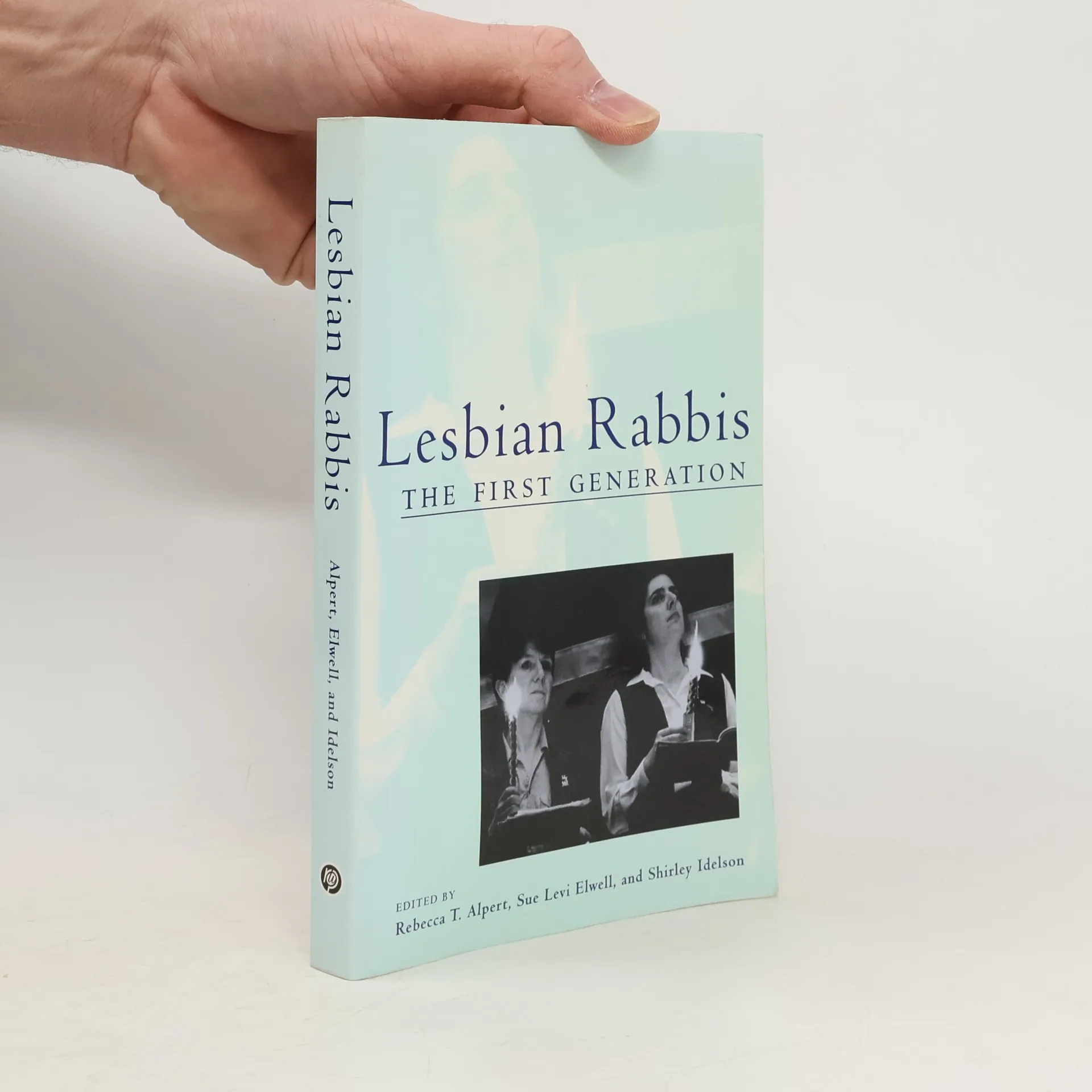
The office of rabbi symbolizes power and prestige in Jewish communities, where rabbis guide congregants in living Jewish life. This work documents a significant shift in Jewish life as eighteen lesbian rabbis share their experiences as pioneers in an increasingly multicultural Judaism. Through candid essays, contributors discuss their journeys to becoming rabbis, their experiences in seminaries, and their roles in various congregations. They grapple with the choice of whether to disclose their sexual identities to congregants and superiors or to serve specifically gay and lesbian communities. The essays explore the tensions between lesbian and Jewish identities, questioning if there are unique "lesbian" interpretations of traditional texts. Additionally, they examine how Jewish language impacts the lives of lesbians and how lesbianism challenges conventional views of the Jewish family. Rabbi Leila Gal Berner reflects on her own journey, stating, "Today I am completely 'out' personally and professionally, and yet I have learned that the 'coming out' process never ends." She highlights the ongoing challenges of navigating her professional life as a lesbian in a predominantly straight world, facing moments of awkwardness and exclusion.
Zakup książki
Lesbian Rabbis, Rebecca Trachtenberg Alpert, Ellen Sue Levi Elwell, Shirley Idelson
- Język

- Rok wydania
- 2001
- Oprawa
- (miękka)
Metody płatności
Brakuje nam tutaj Twojej recenzji.
- Tytuł
- Lesbian Rabbis
- Podtytuł
- The First Generation
- Język
- angielski
- Wydawca
- Rutgers University Press
- Rok wydania
- 2001
- Oprawa
- miękka
- Liczba stron
- 272
- ISBN10
- 0813529166
- ISBN13
- 9780813529165
- Seria
- Kategorie
- Tagi
- Tematy historyczne, Tematy religijne, USA, LGBTQ+, Żydzi, Inspiracje, Prace zebrane, Judaica, Literatura Żydowska, Gender, Objawienie, Multikulturalizm, Tożsamość seksualna
- Ocena
- 3,95 z 5
- Opis
- The office of rabbi symbolizes power and prestige in Jewish communities, where rabbis guide congregants in living Jewish life. This work documents a significant shift in Jewish life as eighteen lesbian rabbis share their experiences as pioneers in an increasingly multicultural Judaism. Through candid essays, contributors discuss their journeys to becoming rabbis, their experiences in seminaries, and their roles in various congregations. They grapple with the choice of whether to disclose their sexual identities to congregants and superiors or to serve specifically gay and lesbian communities. The essays explore the tensions between lesbian and Jewish identities, questioning if there are unique "lesbian" interpretations of traditional texts. Additionally, they examine how Jewish language impacts the lives of lesbians and how lesbianism challenges conventional views of the Jewish family. Rabbi Leila Gal Berner reflects on her own journey, stating, "Today I am completely 'out' personally and professionally, and yet I have learned that the 'coming out' process never ends." She highlights the ongoing challenges of navigating her professional life as a lesbian in a predominantly straight world, facing moments of awkwardness and exclusion.