



Parametry
- 288 stron
- 11 godzin czytania
Więcej o książce
Introduction explores the landscape of content marketing, presenting it as a promising solution to current marketing challenges. It delves into the experience economy, emphasizing how brand and customer experiences serve as content enablers. The discussion highlights how content can foster sustainable brands with meaningful purposes and transform business practices. Various perspectives are examined, including how content influences creativity, processes, and revenue across clients, creative agencies, media agencies, and publishers. The role of creativity, media planning, and content in the consumer journey is dissected, alongside the importance of content distribution. The annotation addresses the evolving skill sets required for creative teams in a landscape rich with user data, as well as the transformation of content formats from text to video, AR/VR, and AI. It questions whether user-generated content has reached its peak and outlines key measurement issues in content marketing, including essential tools, KPIs, and frameworks for evaluating effectiveness. The text presents a critical view of content marketing, featuring arguments against its perceived benefits, while also discussing ethical challenges and the need for balance. The conclusion summarizes ten key insights regarding the current and future landscape of strategic content marketing.
Zakup książki
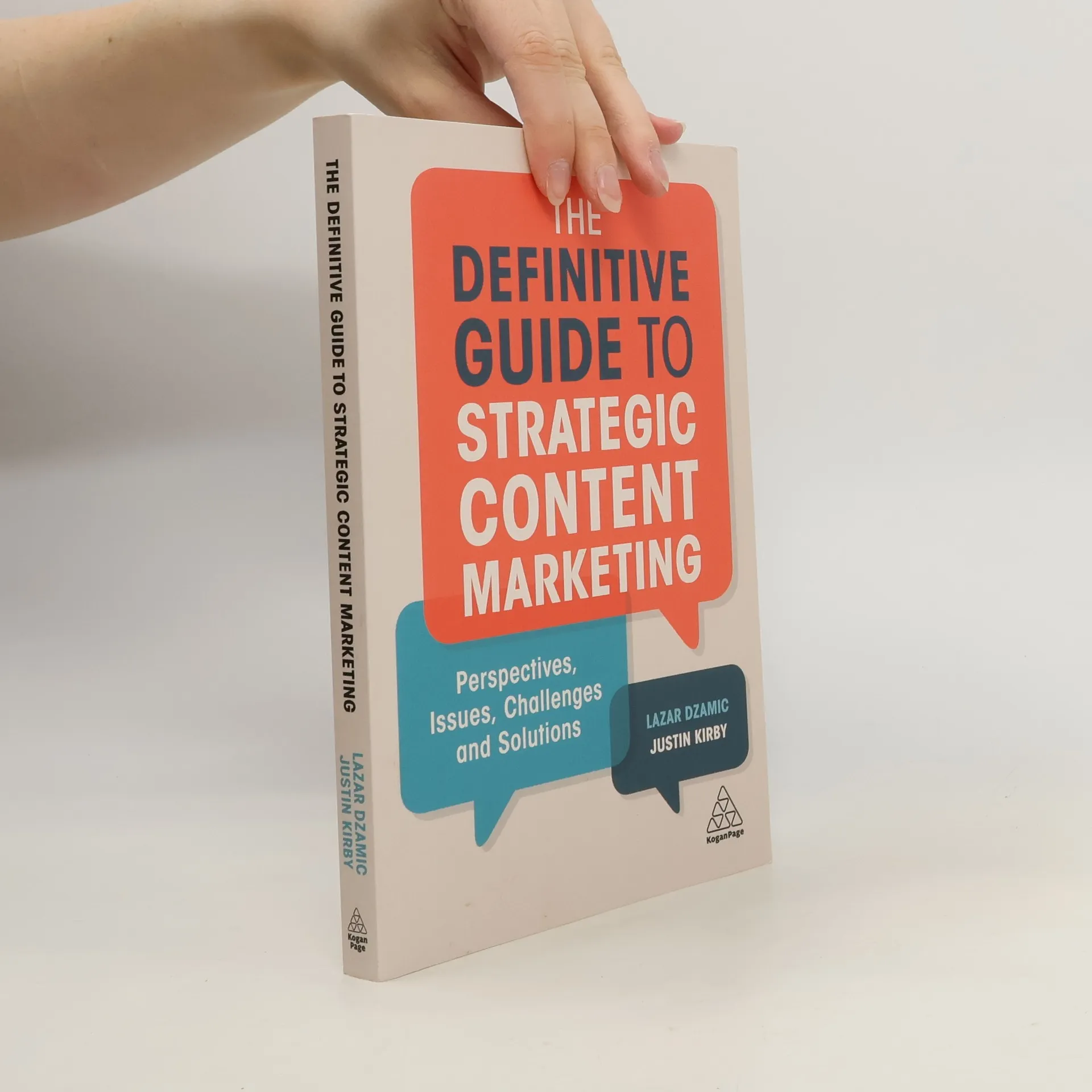
The Definitive Guide to Strategic Content Marketing, Lazar Dzamic, Justin Kirby
- Język

- Rok wydania
- 2018
- Oprawa
- (miękka)
Metody płatności
Brakuje nam tutaj Twojej recenzji.
- Tytuł
- The Definitive Guide to Strategic Content Marketing
- Język
- angielski
- Autorzy
- Lazar Dzamic, Justin Kirby
- Wydawca
- Kogan Page
- Rok wydania
- 2018
- Oprawa
- miękka
- Liczba stron
- 288
- ISBN10
- 0749482222
- ISBN13
- 9780749482220
- Seria
- Ocena
- 4 z 5
- Opis
- Introduction explores the landscape of content marketing, presenting it as a promising solution to current marketing challenges. It delves into the experience economy, emphasizing how brand and customer experiences serve as content enablers. The discussion highlights how content can foster sustainable brands with meaningful purposes and transform business practices. Various perspectives are examined, including how content influences creativity, processes, and revenue across clients, creative agencies, media agencies, and publishers. The role of creativity, media planning, and content in the consumer journey is dissected, alongside the importance of content distribution. The annotation addresses the evolving skill sets required for creative teams in a landscape rich with user data, as well as the transformation of content formats from text to video, AR/VR, and AI. It questions whether user-generated content has reached its peak and outlines key measurement issues in content marketing, including essential tools, KPIs, and frameworks for evaluating effectiveness. The text presents a critical view of content marketing, featuring arguments against its perceived benefits, while also discussing ethical challenges and the need for balance. The conclusion summarizes ten key insights regarding the current and future landscape of strategic content marketing.