

Parametry
- 312 stron
- 11 godzin czytania
Więcej o książce
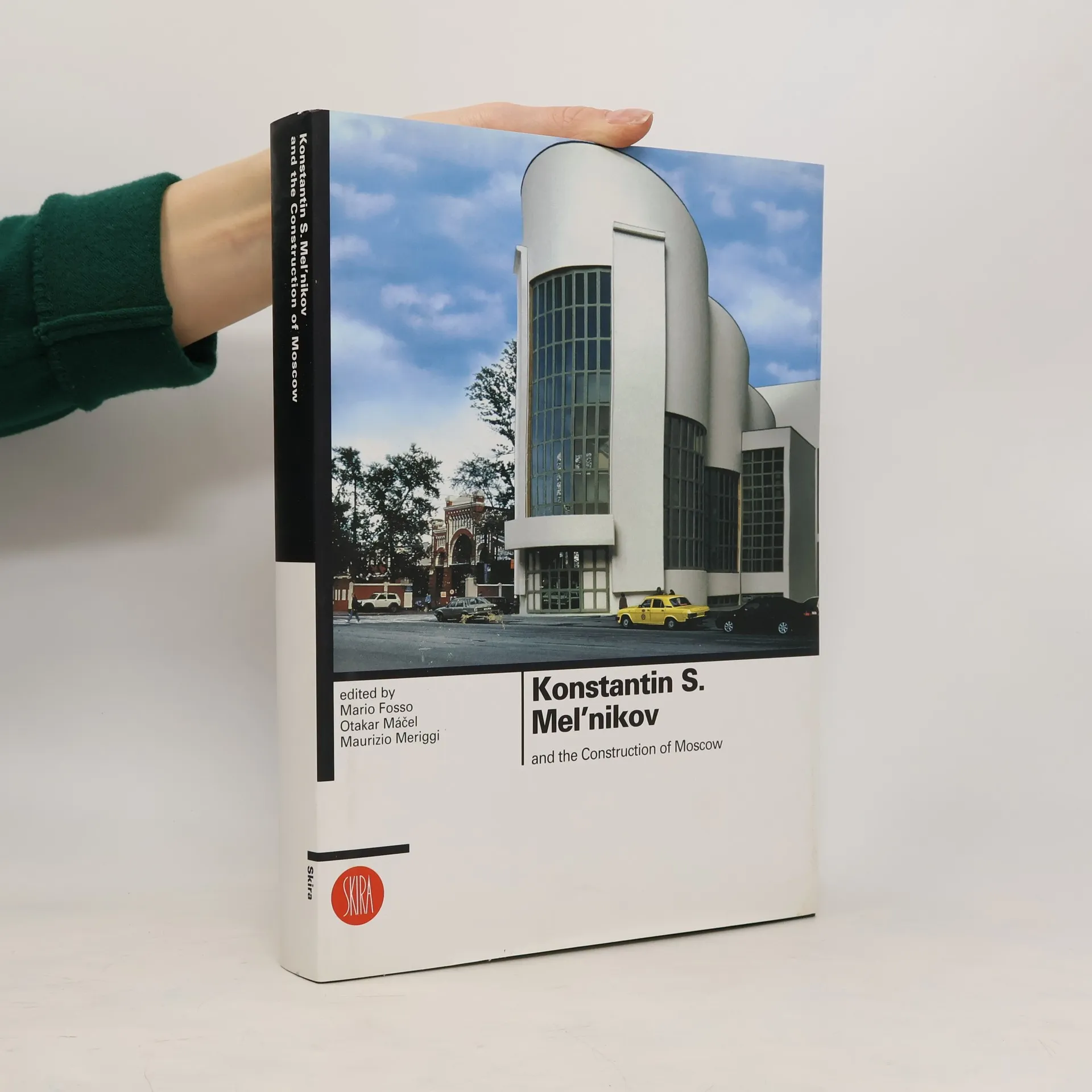
A monograph devoted to the great Russian architect Konstantin Stepanovich Melnikov, considered one of the leading interpreters of the aesthetic and social ideals of Constructivism, the Soviet avant-garde architectural movement. The volume offers a repositioning of Melnikov’s works within the context of the Moscow of the Twenties and Thirties. It highlights his ideational (in the unrealised projects) and concrete (in those realised) contributions to the construction of contemporary Moscow through a selection of models, flanked by the original designs of the buildings, cartographic reconstructions of the city of Moscow and original photographs. The essays explore in detail Melnikov’s biography, his professional education in the Twenties, Stuttgart’s architecture school and the avant-garde (1918-1945), Melnikov and his dialogue with the city, and works from the first half of the Twenties up to 1936. The volume ends with the complete list of Melnikov’s works and an up-to-date bibliography.
Zakup książki
Konstantin S. Melnikov and the Construction of Moscow, Konstantin Stepanovich Mel'nikov, Guido Canella, Mario Fosso, Otakar Máčel, Maurizio Meriggi
- Język

- Rok wydania
- 2000
- Oprawa
- (twarda)
Metody płatności
Brakuje nam tutaj Twojej recenzji.
- Tytuł
- Konstantin S. Melnikov and the Construction of Moscow
- Język
- angielski
- Wydawca
- Skira
- Rok wydania
- 2000
- Oprawa
- twarda
- Liczba stron
- 312
- ISBN10
- 8881185393
- ISBN13
- 9788881185399
- Seria
- Kategorie
- Tagi
- Tematy historyczne, Architektura, Katalogi wystaw, XX wiek, Literatura fachowa, Rosja, Teorie polityczne, Krytyka, Prawo cywilne, Moskwa, Historia architektury, Projektowanie
- Ocena
- 5 z 5
- Opis
- A monograph devoted to the great Russian architect Konstantin Stepanovich Melnikov, considered one of the leading interpreters of the aesthetic and social ideals of Constructivism, the Soviet avant-garde architectural movement. The volume offers a repositioning of Melnikov’s works within the context of the Moscow of the Twenties and Thirties. It highlights his ideational (in the unrealised projects) and concrete (in those realised) contributions to the construction of contemporary Moscow through a selection of models, flanked by the original designs of the buildings, cartographic reconstructions of the city of Moscow and original photographs. The essays explore in detail Melnikov’s biography, his professional education in the Twenties, Stuttgart’s architecture school and the avant-garde (1918-1945), Melnikov and his dialogue with the city, and works from the first half of the Twenties up to 1936. The volume ends with the complete list of Melnikov’s works and an up-to-date bibliography.