

Parametry
- 227 stron
- 8 godzin czytania
Więcej o książce
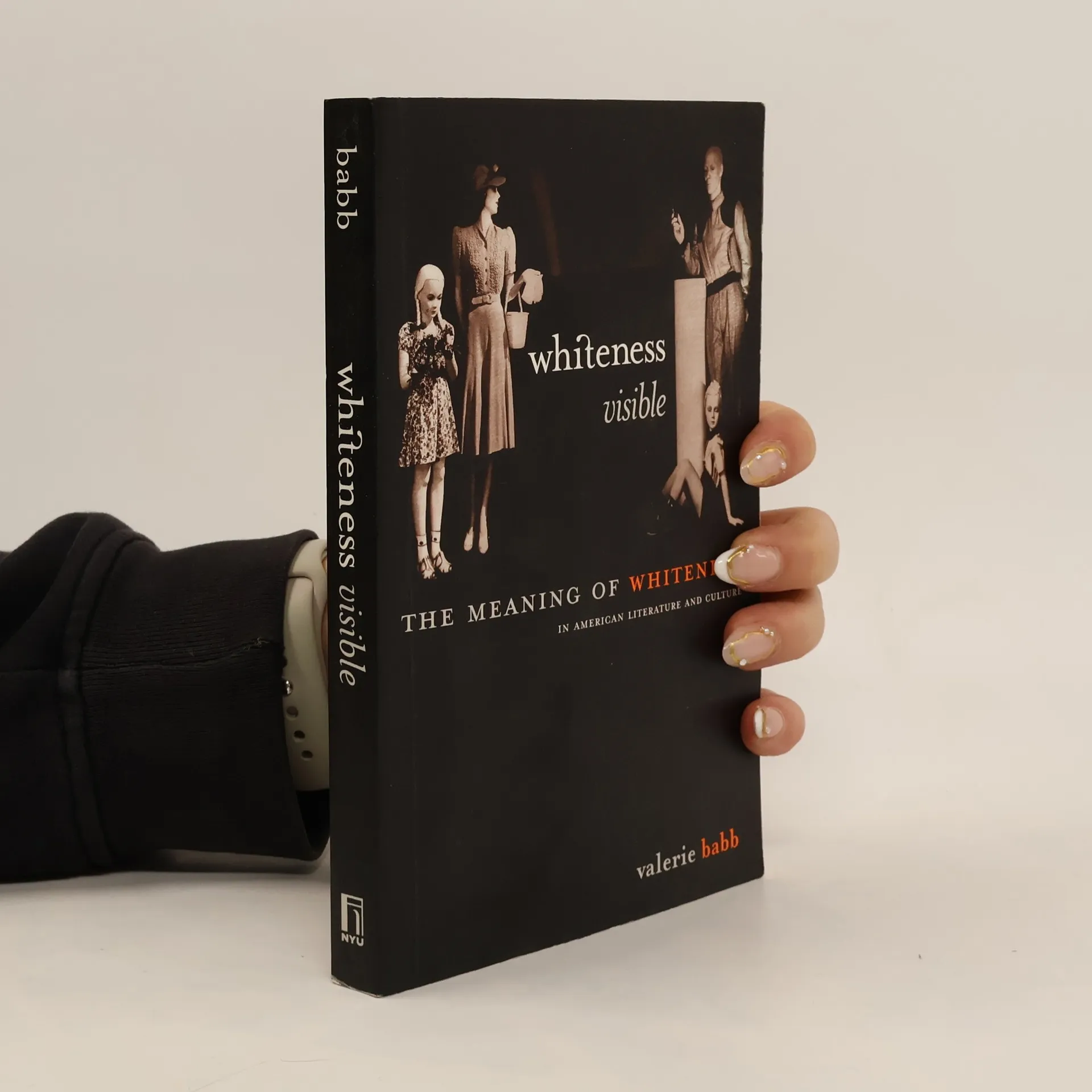
In Whiteness Visible , Valerie Babb investigates the history, values, rituals, and shared consciousness that created whiteness in the United States, as well as the representations that sustain its influence on both cultural and literary vision. Babb formulates an understanding of whiteness by tracing its literary and cultural evolution, enlisting diverse sources from, among others, the Han dynasty, Aristotle's Politica , and excerpts from the recollections of white indentured servants.Babb's textual analysis begins by surveying the construction of whiteness in early American writings and material culture, and continues through literature of the nineteenth century, surveying whiteness in texts commonly acknowledged as standards in U.S. literature-- The Last of the Mohicans and Moby Dick . She then investigates representations of whiteness in a variety of late- nineteenth and early-twentieth century cultural creations, among them immigrant autobiographies, World's Fair expositions, and etiquette books. Babb convincingly illustrates the ways in which a variety of cultural creations combine to help shape the concept of universal whiteness.Whiteness Visible boldly claims that we can only understand the full significance of race and the ways in which it influences cultural understanding and cultural creation in the United States when we interrogate whiteness and make it visible.
Zakup książki
Whiteness Visible, Valerie M Babb
- Język

- Rok wydania
- 1998
- Oprawa
- (miękka)
Metody płatności
Brakuje nam tutaj Twojej recenzji.
- Tytuł
- Whiteness Visible
- Podtytuł
- The Meaning of Whiteness in American Literature
- Język
- angielski
- Autorzy
- Valerie M Babb
- Wydawca
- NYU Press
- Rok wydania
- 1998
- Oprawa
- miękka
- Liczba stron
- 227
- ISBN10
- 0814713122
- ISBN13
- 9780814713129
- Seria
- Kategorie
- Tagi
- Tematy historyczne, USA, Literatura amerykańska, Kultura & Społeczeństwo, Krytyka literacka, Liryka, Cywilizacja, Angielski amerykański
- Ocena
- 3,2 z 5
- Opis
- In Whiteness Visible , Valerie Babb investigates the history, values, rituals, and shared consciousness that created whiteness in the United States, as well as the representations that sustain its influence on both cultural and literary vision. Babb formulates an understanding of whiteness by tracing its literary and cultural evolution, enlisting diverse sources from, among others, the Han dynasty, Aristotle's Politica , and excerpts from the recollections of white indentured servants.Babb's textual analysis begins by surveying the construction of whiteness in early American writings and material culture, and continues through literature of the nineteenth century, surveying whiteness in texts commonly acknowledged as standards in U.S. literature-- The Last of the Mohicans and Moby Dick . She then investigates representations of whiteness in a variety of late- nineteenth and early-twentieth century cultural creations, among them immigrant autobiographies, World's Fair expositions, and etiquette books. Babb convincingly illustrates the ways in which a variety of cultural creations combine to help shape the concept of universal whiteness.Whiteness Visible boldly claims that we can only understand the full significance of race and the ways in which it influences cultural understanding and cultural creation in the United States when we interrogate whiteness and make it visible.