

Więcej o książce
Christopher Gill offers a fresh translation and commentary on the first half of Marcus Aurelius' Meditations, along with a comprehensive introduction to the work. The Meditations serve as a unique reflective diary from a Roman emperor, rooted in Stoic philosophy yet presented distinctively. Gill emphasizes the philosophical aspects, particularly the alignment with Stoic theory as understood from other sources, arguing that the Meditations are more consistent with Stoic principles than previously thought. The text engages with core Stoic ethical themes and explores the connections between ethics, psychology, and nature. Understanding the Meditations requires recognizing its primary aim: to aid Marcus in his ethical growth through reflection on key Stoic concepts that can guide his life. This new edition is invaluable for students and scholars of ancient philosophy, clarifying a work often deemed puzzling in its intellectual content and significance. Alongside other volumes in the Clarendon Later Ancient Philosophers series on Epictetus and Seneca, it contributes to the exploration of Stoic philosophy during the first and second centuries AD. The translation is crafted for modern readers, with all Greek and Latin translated in the introduction and commentary.
Zakup książki
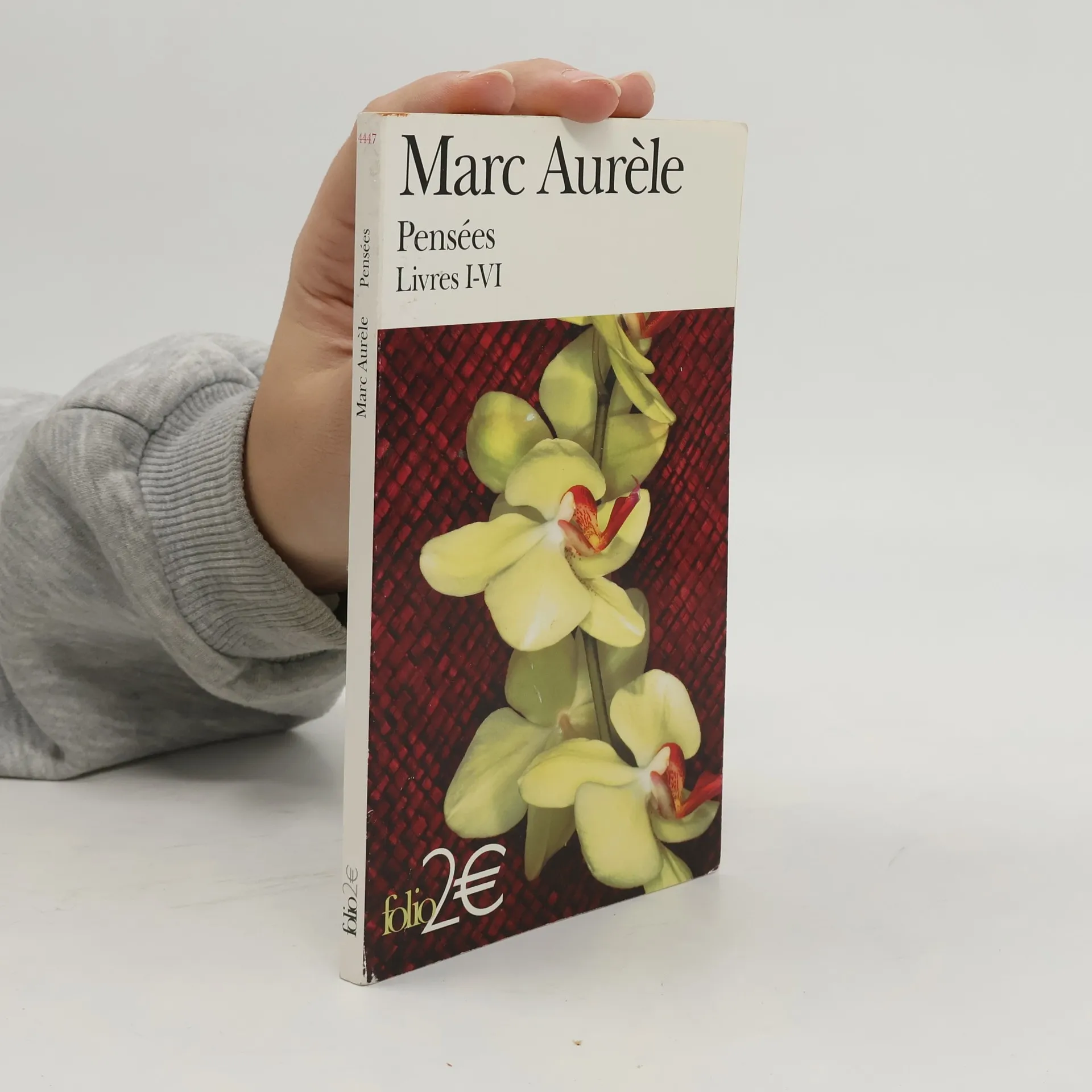
Pensées, Antoninus Marcus Aurelius
- Język

- Rok wydania
- 2006
- Oprawa
- (miękka)
Metody płatności
Brakuje nam tutaj Twojej recenzji.
- Tytuł
- Pensées
- Podtytuł
- Livres I-VI
- Język
- francuski
- Autorzy
- Antoninus Marcus Aurelius
- Wydawca
- Folio
- Rok wydania
- 2006
- Oprawa
- miękka
- Liczba stron
- 128
- ISBN10
- 2070339920
- ISBN13
- 9782070339921
- Seria
- Kategorie
- Ocena
- 3,75 z 5
- Opis
- Christopher Gill offers a fresh translation and commentary on the first half of Marcus Aurelius' Meditations, along with a comprehensive introduction to the work. The Meditations serve as a unique reflective diary from a Roman emperor, rooted in Stoic philosophy yet presented distinctively. Gill emphasizes the philosophical aspects, particularly the alignment with Stoic theory as understood from other sources, arguing that the Meditations are more consistent with Stoic principles than previously thought. The text engages with core Stoic ethical themes and explores the connections between ethics, psychology, and nature. Understanding the Meditations requires recognizing its primary aim: to aid Marcus in his ethical growth through reflection on key Stoic concepts that can guide his life. This new edition is invaluable for students and scholars of ancient philosophy, clarifying a work often deemed puzzling in its intellectual content and significance. Alongside other volumes in the Clarendon Later Ancient Philosophers series on Epictetus and Seneca, it contributes to the exploration of Stoic philosophy during the first and second centuries AD. The translation is crafted for modern readers, with all Greek and Latin translated in the introduction and commentary.