

Parametry
- 288 stron
- 11 godzin czytania
Więcej o książce
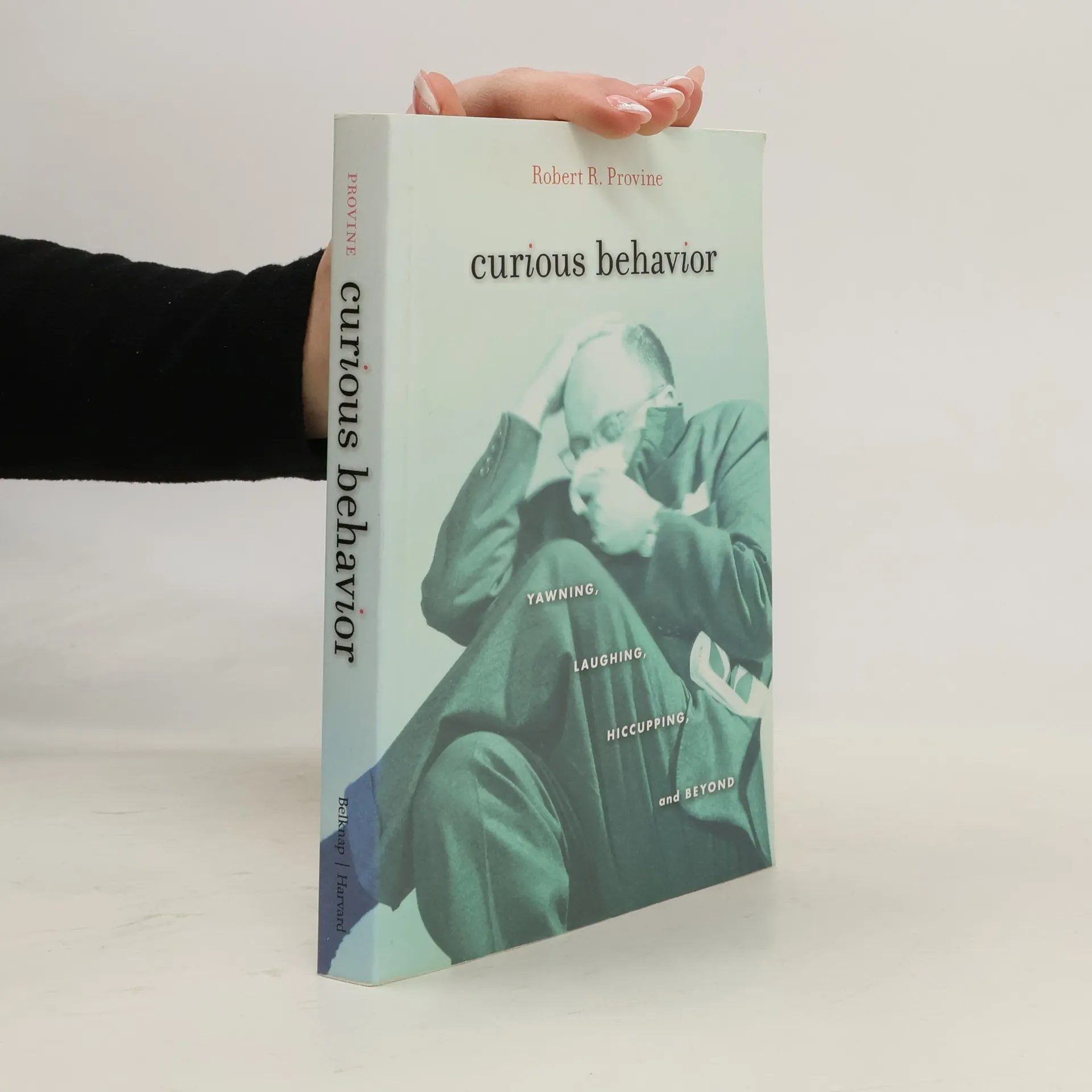
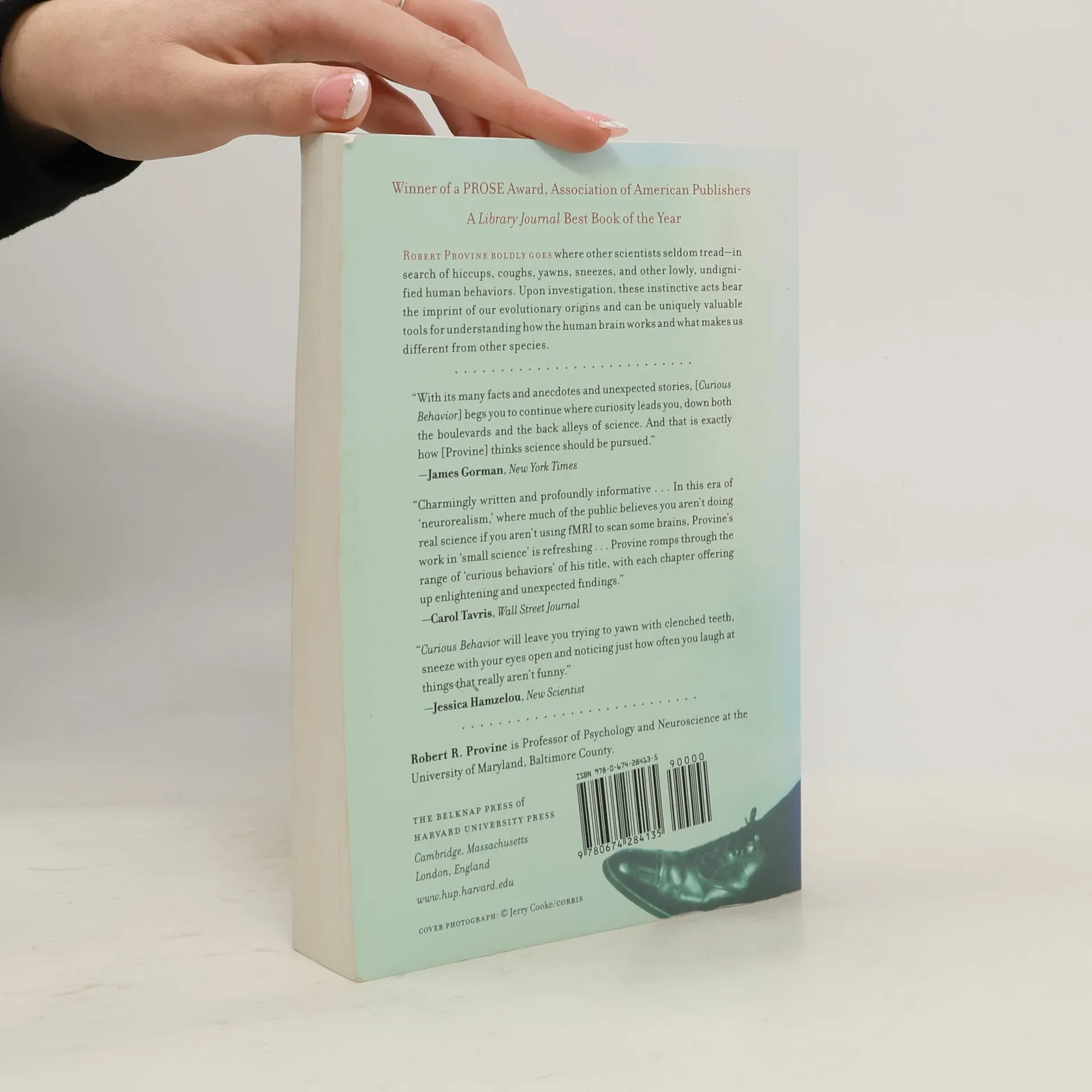
Robert Provine ventures into the realm of often-overlooked human behaviors like hiccups, coughs, yawns, and sneezes, revealing their evolutionary significance and their role in understanding the human brain. These instinctive acts serve as valuable insights into our species' uniqueness. Among them, yawning stands out for its contagious nature—just reading the word can trigger the response. Often mistaken for signs of sleepiness or boredom, yawning offers clues about our social development and empathy, highlighting our instinctual connections as social beings. Other behaviors also provide intriguing insights: tickling may help program personhood in robots, while coughing manifests in various forms—musical, medical, and social. Even farting and belching contribute to our understanding of speech evolution. Additionally, prenatal behaviors defy postnatal logic, showcasing the complexity of human development. These earthy actions define "Homo sapiens" alongside language and tool use. Provine encourages readers to engage in self-experiments, such as tickling their feet or logging laughter, making these simple investigations suitable for science projects or academic research. In exploring these behaviors, we discover that small science can lead to significant insights.
Zakup książki
Curious Behavior, Robert R. Provine
- Język

- Rok wydania
- 2014
- Oprawa
- (miękka)
Metody płatności
Brakuje nam tutaj Twojej recenzji.
- Tytuł
- Curious Behavior
- Podtytuł
- Yawning, Laughing, Hiccupping, and Beyond
- Język
- angielski
- Autorzy
- Robert R. Provine
- Wydawca
- Belknap Press
- Rok wydania
- 2014
- Oprawa
- miękka
- Liczba stron
- 288
- ISBN10
- 0674284135
- ISBN13
- 9780674284135
- Seria
- Kategorie
- Tagi
- Nauki przyrodnicze, Poradniki, Nauka, USA, Tematyka medyczna, Literatura fachowa, Ewolucja, Neurobiologia, Podstawy, Fizjologia, Zachowanie, etologia, Biologia człowieka, Neuropsychologia, Neurobiologia
- Ocena
- 2,5 z 5
- Opis
- Robert Provine ventures into the realm of often-overlooked human behaviors like hiccups, coughs, yawns, and sneezes, revealing their evolutionary significance and their role in understanding the human brain. These instinctive acts serve as valuable insights into our species' uniqueness. Among them, yawning stands out for its contagious nature—just reading the word can trigger the response. Often mistaken for signs of sleepiness or boredom, yawning offers clues about our social development and empathy, highlighting our instinctual connections as social beings. Other behaviors also provide intriguing insights: tickling may help program personhood in robots, while coughing manifests in various forms—musical, medical, and social. Even farting and belching contribute to our understanding of speech evolution. Additionally, prenatal behaviors defy postnatal logic, showcasing the complexity of human development. These earthy actions define "Homo sapiens" alongside language and tool use. Provine encourages readers to engage in self-experiments, such as tickling their feet or logging laughter, making these simple investigations suitable for science projects or academic research. In exploring these behaviors, we discover that small science can lead to significant insights.