

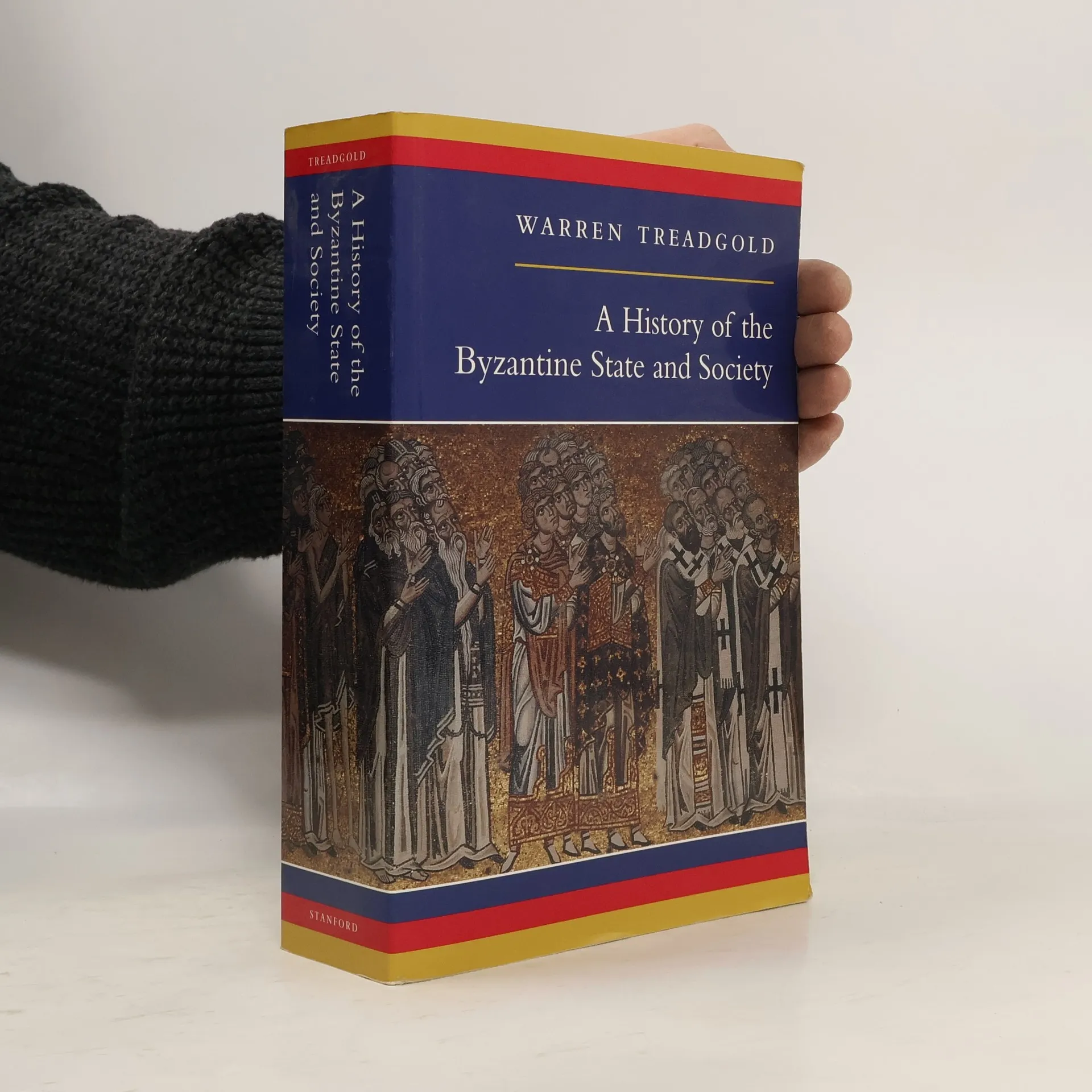
Więcej o książce
This comprehensive and up-to-date history of Byzantium spans from A.D. 285, when Diocletian separated it from the western Roman Empire, to 1461, when the last Byzantine outposts fell to the Ottomans. Covering twelve centuries and three continents, it illustrates how the Byzantine Empire linked ancient and modern worlds, shaping Greek, Roman, and Christian traditions that endure today across Eastern Europe, the Middle East, and Western civilization. Despite its political similarities to a third-world dictatorship, Byzantium uniquely maintained a single state over a vast area with diverse populations for so long. The author utilizes a wealth of original sources and modern scholarship to weave political and social developments into a vivid narrative, challenging stereotypes and historical orthodoxies regarding the Byzantine economy and the role of holy men in Late Antiquity. The book emphasizes the significant impact of nearly a hundred emperors and empresses on the lives of ordinary Byzantines, addressing how their decisions could lead to economic ruin or foreign conquest. It also explores the intricate life of the court and bureaucracy, featuring notable figures like Constantine, Justinian, and Theodora, as well as lesser-known personalities. With 221 illustrations and 18 maps, this work is poised to be the standard history of Byzantium for students, scholars, and general readers alike.
Zakup książki
A History of the Byzantine State and Society, Warren T. Treadgold
- Język

- Rok wydania
- 1997
- Oprawa
- (miękka)
Metody płatności
Brakuje nam tutaj Twojej recenzji.
- Tytuł
- A History of the Byzantine State and Society
- Język
- angielski
- Autorzy
- Warren T. Treadgold
- Wydawca
- Stanford University Press
- Rok wydania
- 1997
- Oprawa
- miękka
- Liczba stron
- 1044
- ISBN10
- 0804726302
- ISBN13
- 9780804726306
- Seria
- Kategorie
- Tagi
- Tematy historyczne, Europa, Kultura & Społeczeństwo, Średniowiecze, Starożytność, Historia Europy, Grecja, Zachodnia Europa, Renesans, Cywilizacja, Imperium Bizantyjskie
- Ocena
- 4,3 z 5
- Opis
- This comprehensive and up-to-date history of Byzantium spans from A.D. 285, when Diocletian separated it from the western Roman Empire, to 1461, when the last Byzantine outposts fell to the Ottomans. Covering twelve centuries and three continents, it illustrates how the Byzantine Empire linked ancient and modern worlds, shaping Greek, Roman, and Christian traditions that endure today across Eastern Europe, the Middle East, and Western civilization. Despite its political similarities to a third-world dictatorship, Byzantium uniquely maintained a single state over a vast area with diverse populations for so long. The author utilizes a wealth of original sources and modern scholarship to weave political and social developments into a vivid narrative, challenging stereotypes and historical orthodoxies regarding the Byzantine economy and the role of holy men in Late Antiquity. The book emphasizes the significant impact of nearly a hundred emperors and empresses on the lives of ordinary Byzantines, addressing how their decisions could lead to economic ruin or foreign conquest. It also explores the intricate life of the court and bureaucracy, featuring notable figures like Constantine, Justinian, and Theodora, as well as lesser-known personalities. With 221 illustrations and 18 maps, this work is poised to be the standard history of Byzantium for students, scholars, and general readers alike.