

Więcej o książce
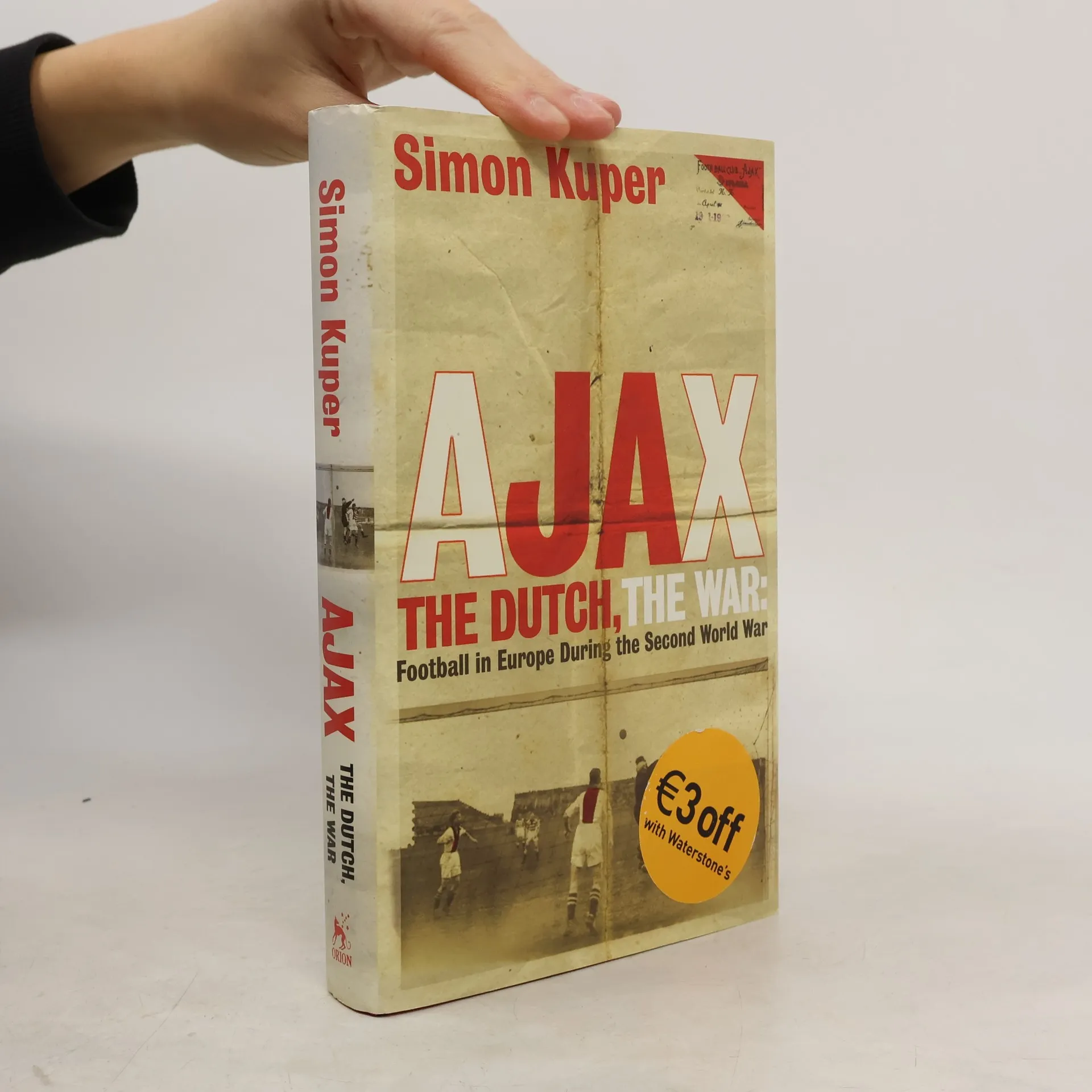
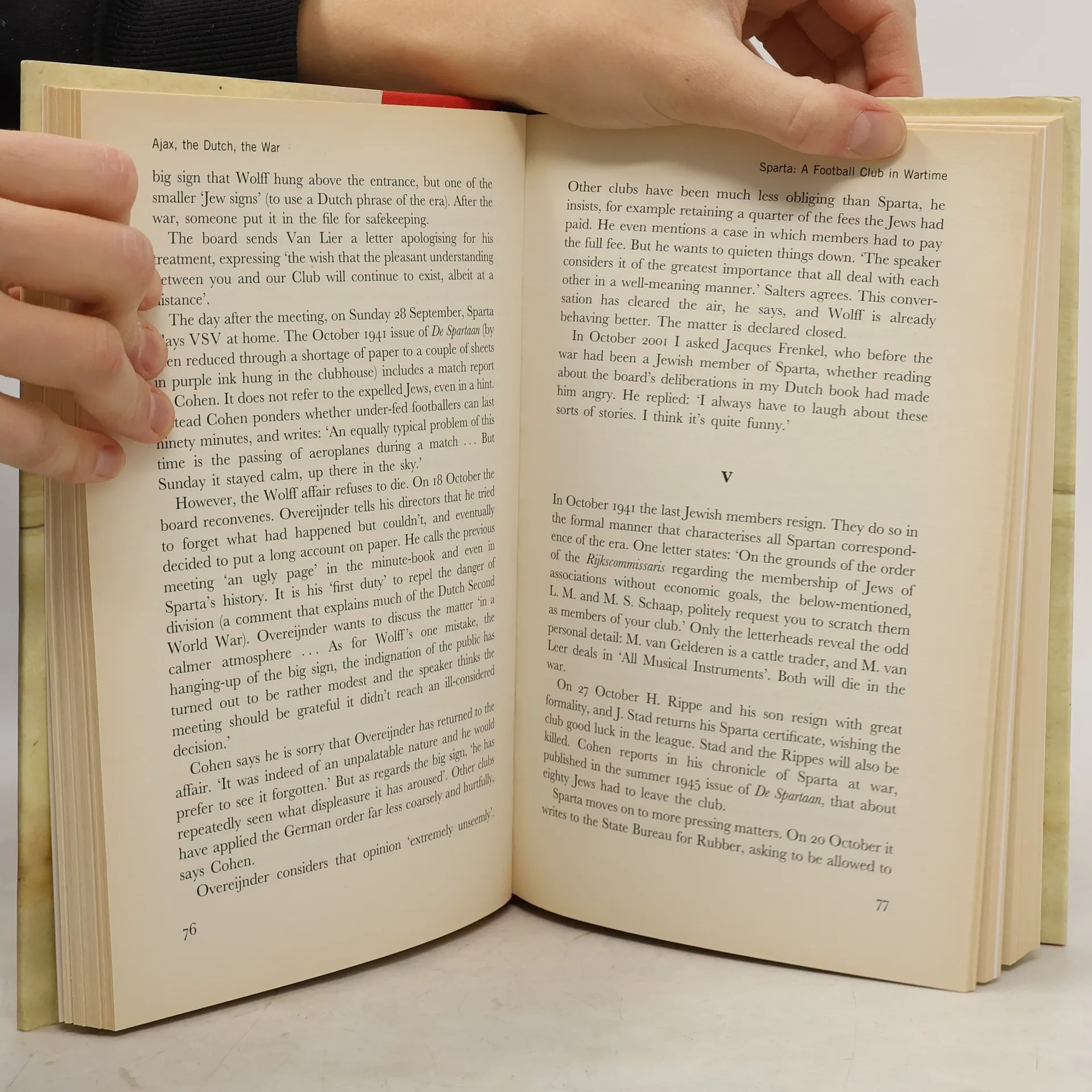
In 'Ajax, the Dutch, the war', Simon Kuper delves into the intersection of football, politics, and culture in western Europe, particularly Holland, during the tumultuous years of 1933 to 1945. The narrative explores how football reflected the realities of daily life during the Holocaust, with Dutch football clubs serving as a microcosm of the broader societal changes and challenges faced in occupied Europe. Before the war, Amsterdam was a vibrant hub for its Jewish population, which was drastically affected by the German occupation. The Jewish quarter, once bustling with life, was sealed off, leading to devastating losses by 1945. Kuper examines the lives of players, club officials, and fans, crafting an alternative account of World War II through the lens of football. He also expands his analysis to include England, France, and Germany, illustrating a continent captivated by football even amidst war. The book highlights how the sport was manipulated by figures like Hitler and Mussolini, while also shedding light on individual acts of discrimination and resistance. Accompanied by a rich photographic archive, Kuper's work reveals the intertwining histories of football and the Holocaust, presenting a poignant narrative of collaboration and deportation.
Zakup książki
Ajax, the Dutch, the War, Simon Kuper
- Język

- Rok wydania
- 2003
- Oprawa
- (twarda)
Metody płatności
Brakuje nam tutaj Twojej recenzji.
- Tytuł
- Ajax, the Dutch, the War
- Podtytuł
- Football in Europe During the Second World War
- Język
- angielski
- Autorzy
- Simon Kuper
- Wydawca
- Orion Publishing
- Rok wydania
- 2003
- Oprawa
- twarda
- Liczba stron
- 264
- ISBN10
- 0752851497
- ISBN13
- 9780752851495
- Seria
- Kategorie
- Ocena
- 4,45 z 5
- Opis
- In 'Ajax, the Dutch, the war', Simon Kuper delves into the intersection of football, politics, and culture in western Europe, particularly Holland, during the tumultuous years of 1933 to 1945. The narrative explores how football reflected the realities of daily life during the Holocaust, with Dutch football clubs serving as a microcosm of the broader societal changes and challenges faced in occupied Europe. Before the war, Amsterdam was a vibrant hub for its Jewish population, which was drastically affected by the German occupation. The Jewish quarter, once bustling with life, was sealed off, leading to devastating losses by 1945. Kuper examines the lives of players, club officials, and fans, crafting an alternative account of World War II through the lens of football. He also expands his analysis to include England, France, and Germany, illustrating a continent captivated by football even amidst war. The book highlights how the sport was manipulated by figures like Hitler and Mussolini, while also shedding light on individual acts of discrimination and resistance. Accompanied by a rich photographic archive, Kuper's work reveals the intertwining histories of football and the Holocaust, presenting a poignant narrative of collaboration and deportation.