

Więcej o książce
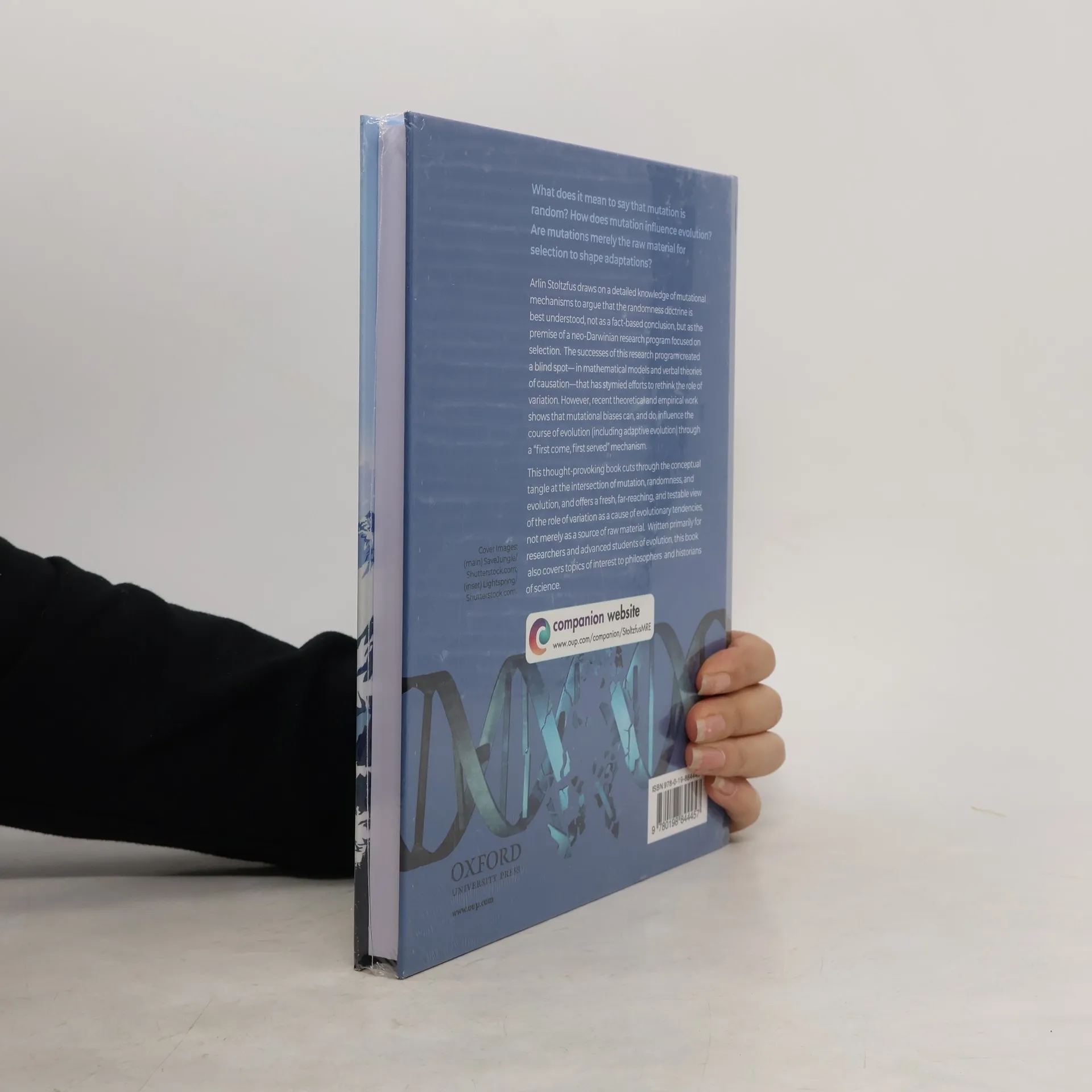
What does it mean to say that mutation is random? How does mutation influence evolution? Are mutations merely the raw material for selection to shape adaptations?The author draws on a detailed knowledge of mutational mechanisms to argue that the randomness doctrine is best understood, not as a fact-based conclusion, but as the premise of a neo-Darwinian research program focused on selection. The successes of this research program created a blind spot - in mathematical models and verbal theories of causation - that has stymied efforts to re-think the role of variation. However, recent theoretical and empirical work shows that mutational biases can and do influence the course of evolution, including adaptive evolution, through a first come, first served mechanism.This thought-provoking book cuts through the conceptual tangle at the intersection of mutation, randomness, and evolution, offering a fresh, far-reaching, and testable view of the role of variation as a dispositional evolutionary factor. The arguments will be accessible to philosophers and historians with a serious interest in evolution, as well as to researchers and advanced students of evolution focused on molecules, microbes, evo-devo, and population genetics.
Zakup książki
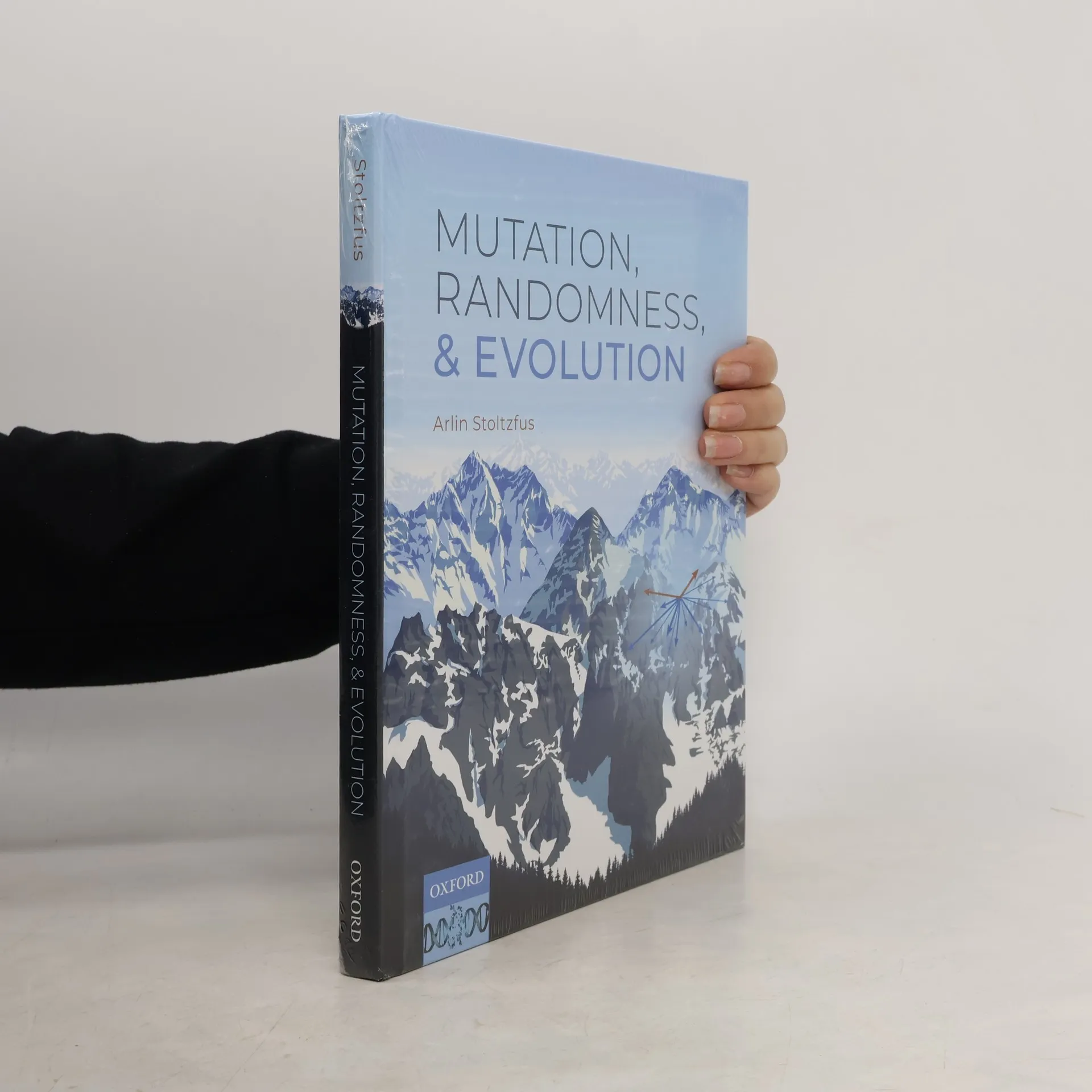
Mutation, Randomness, and Evolution, Arlin Stoltzfus
- Język

- Rok wydania
- 2021
- Oprawa
- (twarda)
Metody płatności
Brakuje nam tutaj Twojej recenzji.
- Tytuł
- Mutation, Randomness, and Evolution
- Język
- angielski
- Autorzy
- Arlin Stoltzfus
- Wydawca
- Oxford University Press
- Rok wydania
- 2021
- Oprawa
- twarda
- Liczba stron
- 288
- ISBN10
- 019884445X
- ISBN13
- 9780198844457
- Seria
- Tagi
- Nauki przyrodnicze, Nauka, Tematyka medyczna, Ewolucja, Filozofia nauki, Biologia molekularna, Biologia ewolucyjna
- Ocena
- 4,5 z 5
- Opis
- What does it mean to say that mutation is random? How does mutation influence evolution? Are mutations merely the raw material for selection to shape adaptations?The author draws on a detailed knowledge of mutational mechanisms to argue that the randomness doctrine is best understood, not as a fact-based conclusion, but as the premise of a neo-Darwinian research program focused on selection. The successes of this research program created a blind spot - in mathematical models and verbal theories of causation - that has stymied efforts to re-think the role of variation. However, recent theoretical and empirical work shows that mutational biases can and do influence the course of evolution, including adaptive evolution, through a first come, first served mechanism.This thought-provoking book cuts through the conceptual tangle at the intersection of mutation, randomness, and evolution, offering a fresh, far-reaching, and testable view of the role of variation as a dispositional evolutionary factor. The arguments will be accessible to philosophers and historians with a serious interest in evolution, as well as to researchers and advanced students of evolution focused on molecules, microbes, evo-devo, and population genetics.