


Więcej o książce
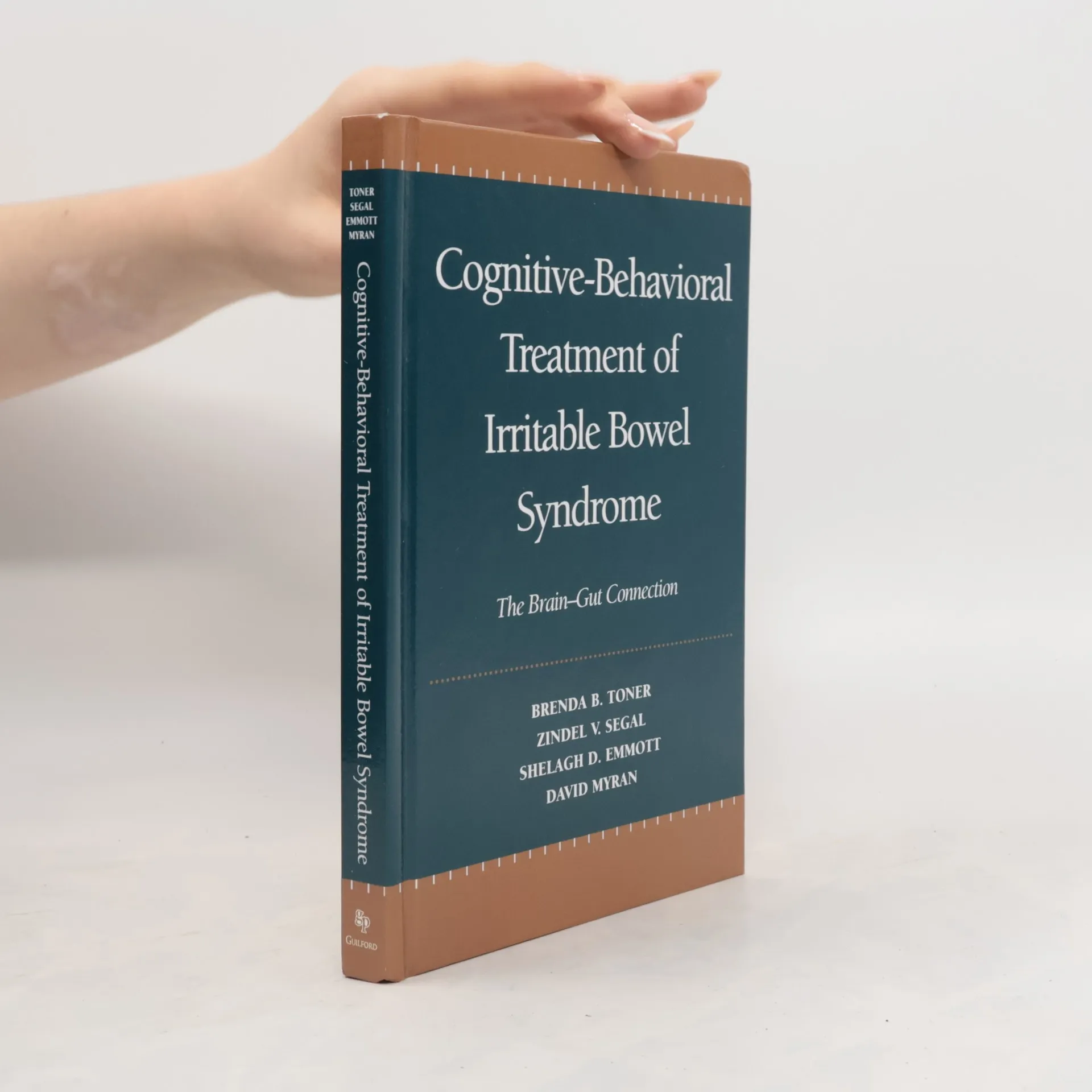
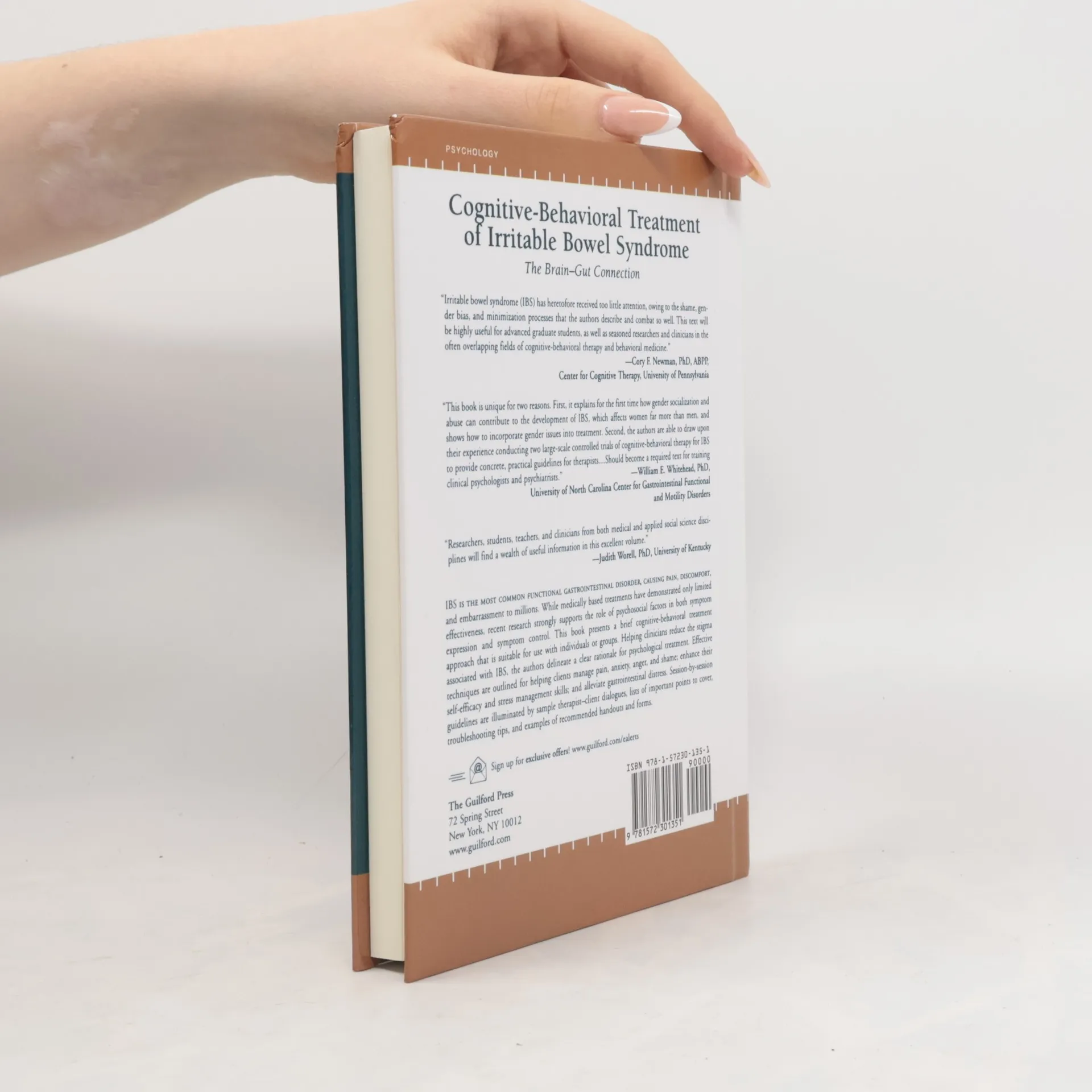
Irritable Bowel Syndrome (IBS) is the most common functional gastrointestinal disorder, causing pain, discomfort, and embarrassment to millions. While medically based treatments have demonstrated only limited effectiveness, recent research strongly supports the role of psychosocial factors in both symptom expression and symptom control. This book presents a brief cognitive-behavioral treatment approach that is suitable for use with individuals or groups. Delineating a clear medical rationale, the authors help clinicians both to reduce the stigma associated with IBS and to overcome client resistance to psychological treatment. Effective techniques are outlined for helping clients manage anxiety, anger, and shame; enhance their self-efficacy and stress management skills; and alleviate gastrointestinal distress. Session-by-session guidelines are illuminated by such useful features as sample therapist-client dialogues, lists of important points to cover, troubleshooting tips, and examples of recommended handouts and forms. Also covered in depth are treatment issues specific to women.
Zakup książki
Cognitive-Behavioral Treatment of Irritable Bowel Syndrome, Brenda B. Toner, Zindel Segal, Shelagh D. Emmott, David Myran
- Język

- Rok wydania
- 1999
- Oprawa
- (twarda)
Metody płatności
Brakuje nam tutaj Twojej recenzji.
- Tytuł
- Cognitive-Behavioral Treatment of Irritable Bowel Syndrome
- Podtytuł
- The Brain-Gut Connection
- Język
- angielski
- Wydawca
- Guilford Press
- Rok wydania
- 1999
- Oprawa
- twarda
- Liczba stron
- 188
- ISBN10
- 157230135X
- ISBN13
- 9781572301351
- Seria
- Tagi
- Tematyka psychologiczna, Poradniki, Kobiety, Zdrowie, Tematyka medyczna, Serie, Choroby, Psychoterapia, Psychiatria, Ciało, Psychologia kliniczna, Choroby wewnętrzne & Interna, Ludzki umysł, Dobro, Gastroenterologia, Medycyna psychosomatyczna
- Ocena
- 4,15 z 5
- Opis
- Irritable Bowel Syndrome (IBS) is the most common functional gastrointestinal disorder, causing pain, discomfort, and embarrassment to millions. While medically based treatments have demonstrated only limited effectiveness, recent research strongly supports the role of psychosocial factors in both symptom expression and symptom control. This book presents a brief cognitive-behavioral treatment approach that is suitable for use with individuals or groups. Delineating a clear medical rationale, the authors help clinicians both to reduce the stigma associated with IBS and to overcome client resistance to psychological treatment. Effective techniques are outlined for helping clients manage anxiety, anger, and shame; enhance their self-efficacy and stress management skills; and alleviate gastrointestinal distress. Session-by-session guidelines are illuminated by such useful features as sample therapist-client dialogues, lists of important points to cover, troubleshooting tips, and examples of recommended handouts and forms. Also covered in depth are treatment issues specific to women.