


Więcej o książce
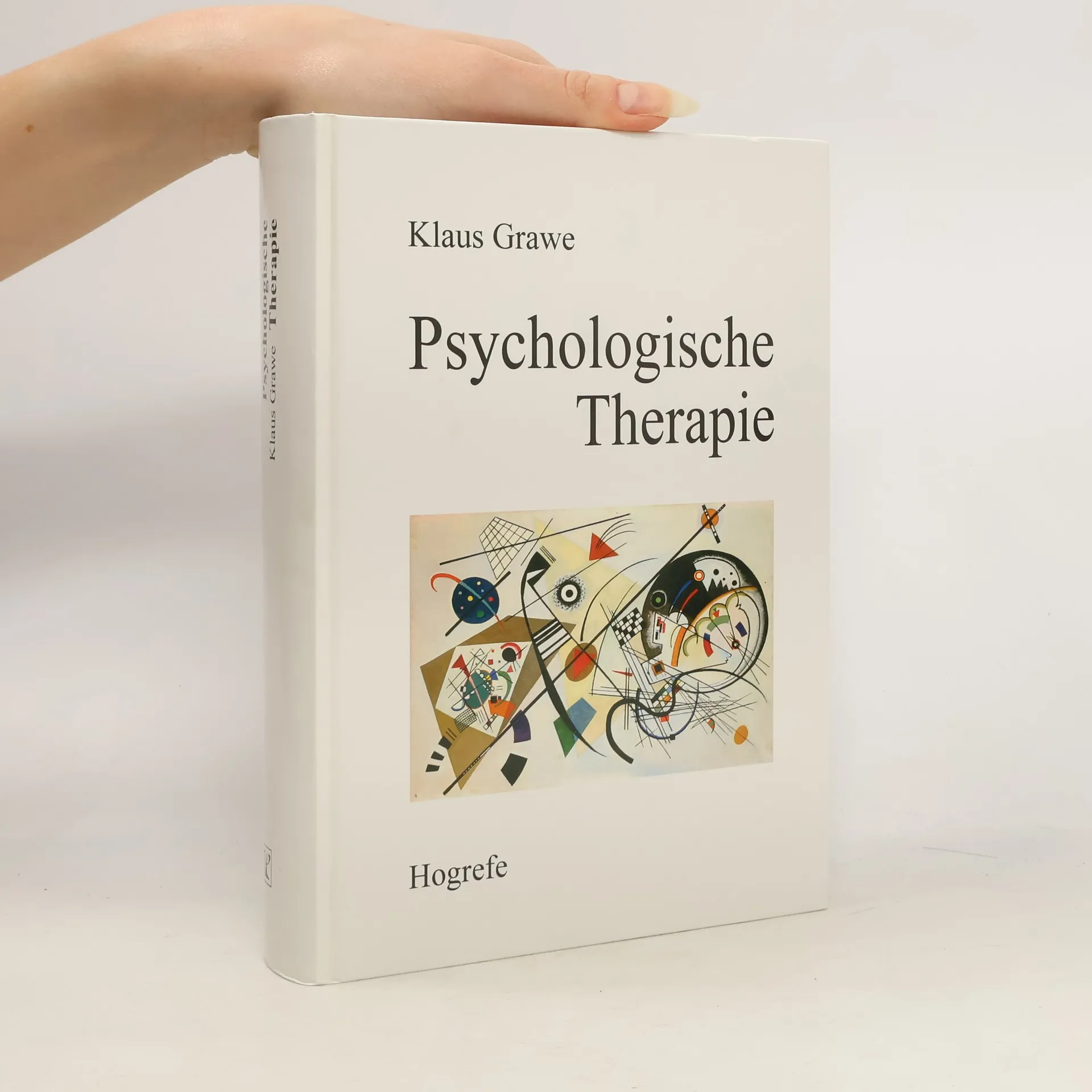
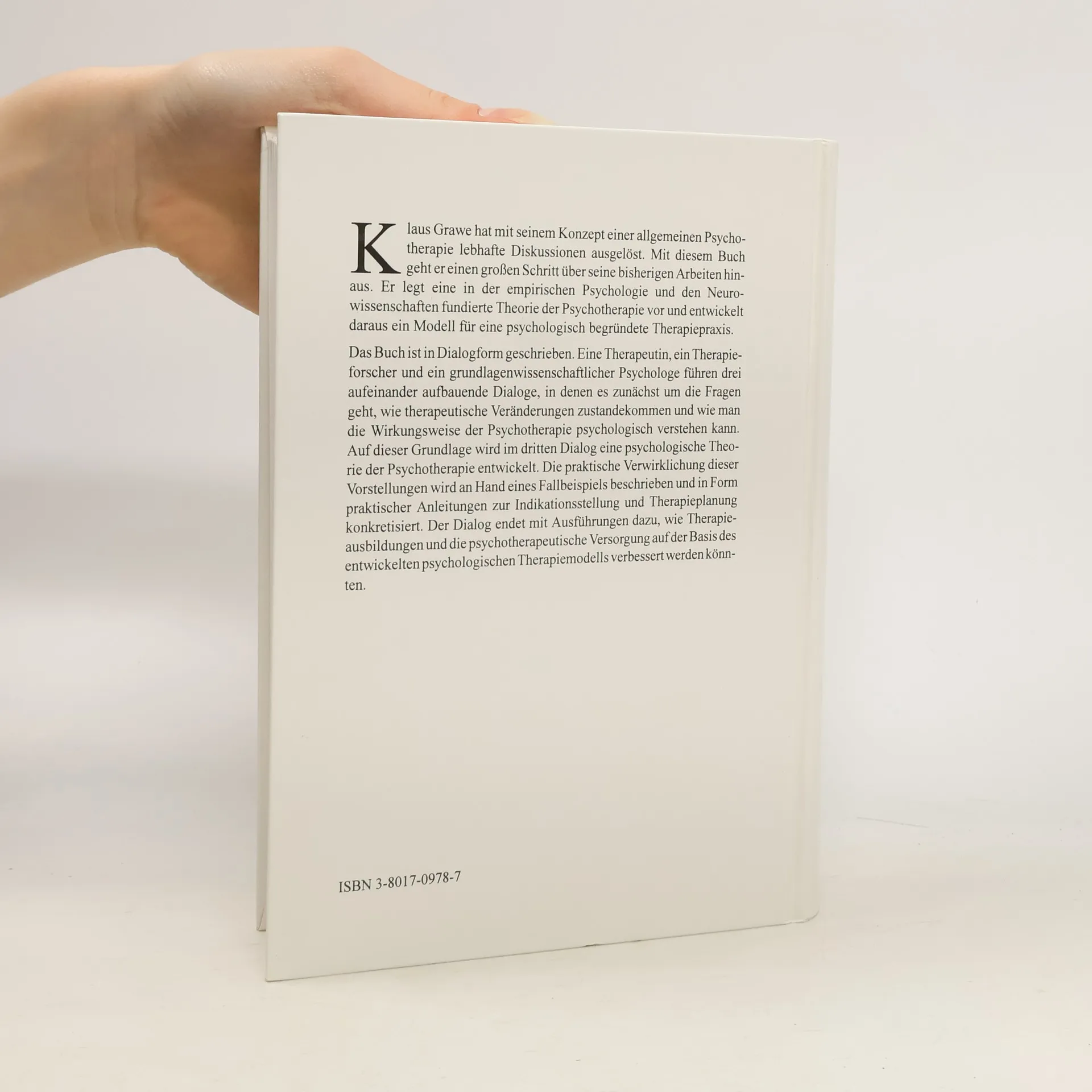
The original edition of Klaus Grawe's book exploring the basis and need for a more generally valid concept of psychotherapy fueled a lively debate among psychotherapists and psychologists in German-speaking areas. Now available in English, this book will help spread the concepts and the debate among a wider audience. The book is written in dialogue form. A practicing therapist, a research psychologist, and a therapy researcher take part in three dialogues, each of which builds on the results of the previous dialogue. The first dialogue explores how therapeutic change takes place, while the second looks at how the mechanisms of action of psychotherapy can be understood in terms of basic psychological concepts. Finally, in the third dialogue, a psychological theory of psychotherapy is developed. The practical implications of this are clearly shown in the form of case examples, as well as guidance on indications and treatment planning. The dialogue ends with suggestions as to how therapy training and provision of psychotherapy could be improved on the basis of the model of psychotherapy that has been developed.
Zakup książki
Psychologische Therapie, Klaus Grawe
- Język

- Rok wydania
- 1998
- Oprawa
- (twarda)
Metody płatności
Nikt jeszcze nie ocenił.
- Tytuł
- Psychologische Therapie
- Język
- niemiecki
- Autorzy
- Klaus Grawe
- Wydawca
- Hogrefe
- Rok wydania
- 1998
- Oprawa
- twarda
- Liczba stron
- 773
- ISBN10
- 3801709787
- ISBN13
- 9783801709785
- Seria
- Kategorie
- Opis
- The original edition of Klaus Grawe's book exploring the basis and need for a more generally valid concept of psychotherapy fueled a lively debate among psychotherapists and psychologists in German-speaking areas. Now available in English, this book will help spread the concepts and the debate among a wider audience. The book is written in dialogue form. A practicing therapist, a research psychologist, and a therapy researcher take part in three dialogues, each of which builds on the results of the previous dialogue. The first dialogue explores how therapeutic change takes place, while the second looks at how the mechanisms of action of psychotherapy can be understood in terms of basic psychological concepts. Finally, in the third dialogue, a psychological theory of psychotherapy is developed. The practical implications of this are clearly shown in the form of case examples, as well as guidance on indications and treatment planning. The dialogue ends with suggestions as to how therapy training and provision of psychotherapy could be improved on the basis of the model of psychotherapy that has been developed.