


Więcej o książce
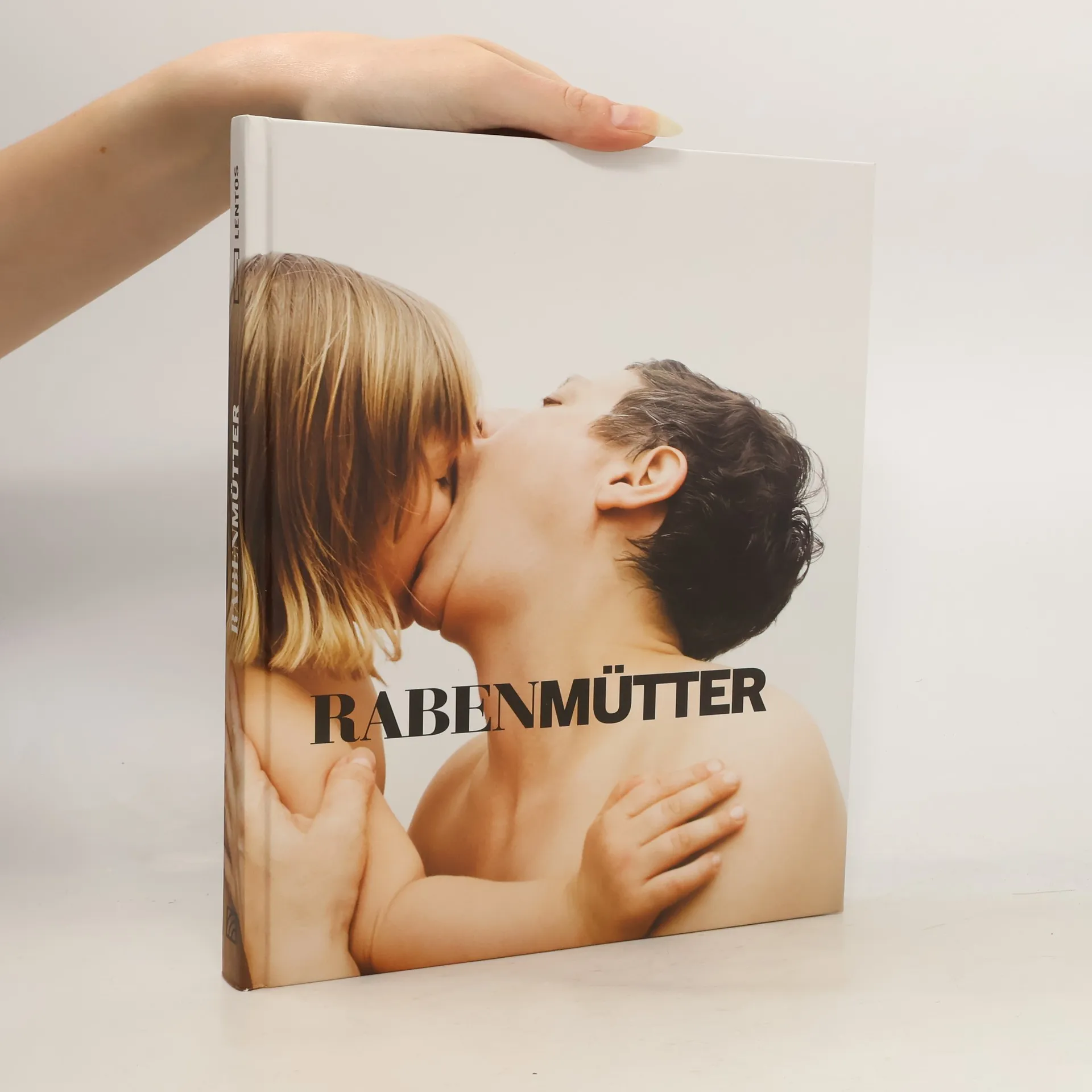
Super mom or childless? It almost looks as if there were no such thing any longer as motherhood pure and simple, as if all that is left is the choice between perfectionism and eschewal. Nevertheless, motherhood has many aspects: joy, an intense experience of life, love relationship, learning, exulation, on the one hand, and, on the other, frustration, being weighed down by expectations and the fear of being inadequate to the task. In the 19th century motherhood was never called into question even if in actual reality the rewards often fell woefully short of projected ideals. It was only the advent of career openings for women that created alternatives to motherhood as a fulfilled life. Nor did we have to wait for 1960s feminist art to produce realistic portrayals of the mother's role, but we find renderings of social reality and individual conflicts already as early as the beginning of the 20th century. The catalog showcases not only shifts in the stereotypes of motherhood from 1900 to today but also the changes in the perspective from which children see their mothers.
Zakup książki
Rabenmütter, Renate Berger, Sabine Fellner, Elisabeth Nowak-Thaller, Stella Rollig, Gertraud Klemm, André Müller, Barbara Vinken
- Język

- Rok wydania
- 2015
- Oprawa
- (twarda)
Metody płatności
Nikt jeszcze nie ocenił.
- Tytuł
- Rabenmütter
- Język
- niemiecki
- Autorzy
- Renate Berger, Sabine Fellner, Elisabeth Nowak-Thaller, Stella Rollig, Gertraud Klemm, André Müller, Barbara Vinken
- Wydawca
- Verlag fu R moderne Kunst
- Rok wydania
- 2015
- Oprawa
- twarda
- Liczba stron
- 191
- ISBN10
- 3903004634
- ISBN13
- 9783903004634
- Seria
- Opis
- Super mom or childless? It almost looks as if there were no such thing any longer as motherhood pure and simple, as if all that is left is the choice between perfectionism and eschewal. Nevertheless, motherhood has many aspects: joy, an intense experience of life, love relationship, learning, exulation, on the one hand, and, on the other, frustration, being weighed down by expectations and the fear of being inadequate to the task. In the 19th century motherhood was never called into question even if in actual reality the rewards often fell woefully short of projected ideals. It was only the advent of career openings for women that created alternatives to motherhood as a fulfilled life. Nor did we have to wait for 1960s feminist art to produce realistic portrayals of the mother's role, but we find renderings of social reality and individual conflicts already as early as the beginning of the 20th century. The catalog showcases not only shifts in the stereotypes of motherhood from 1900 to today but also the changes in the perspective from which children see their mothers.