

Więcej o książce
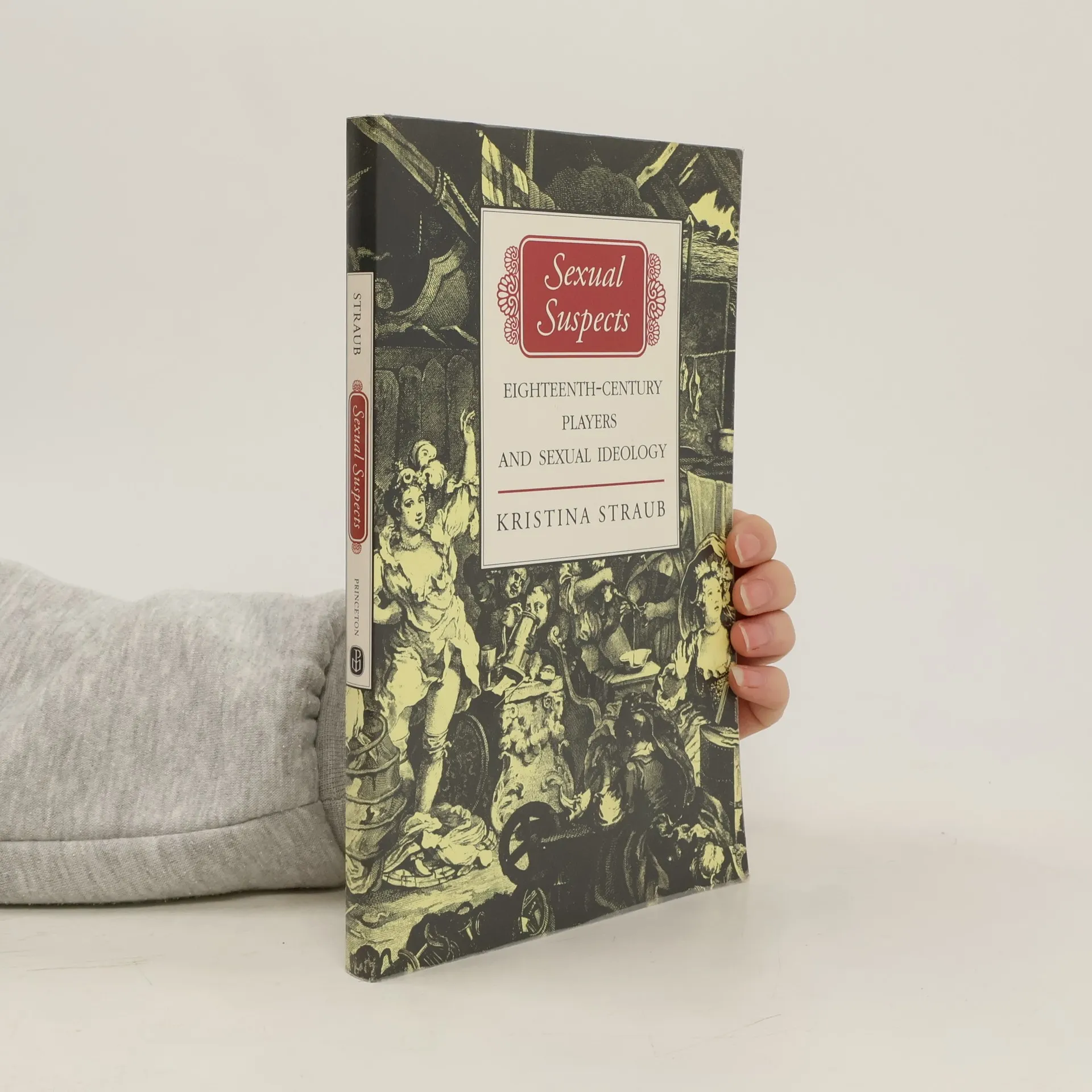
From the Restoration through the eighteenth century, the sexuality of actors and actresses was written about in ways that stirred the public imagination: actors were frequently suspected of heterosexual promiscuity or labeled effeminate or even as "sodomites," and actresses were often viewed as prostitutes or sexually ambivalent victims of their profession. This depiction of players, argues Kristina Straub, greatly shaped public debates over what made women feminine and men masculine. Considering a wide range of literature by or about players--pamphlets, newspaper reports, theatrical histories, biographies, as well as the public correspondence between Alexander Pope and the famous actor Colley Cibber--she examines the formation of gender roles and sexual identities during a period crucial to modern thinking on these issues. Drawing from feminist-materialist and gay and lesbian theories and historiographies, Straub analyzes the complex development of spectacle and spectatorship as gendered concepts. She also reveals how national, racial, and class differences contributed to the subjection of players as professional spectacles and how images of race, class, and gender combined to create divisions between "normal" and "deviant" sexuality.
Zakup książki
Sexual Suspects, Kristina Straub
- Język

- Rok wydania
- 1992
- Oprawa
- (miękka)
Metody płatności
Brakuje nam tutaj Twojej recenzji.
- Tytuł
- Sexual Suspects
- Podtytuł
- Eighteenth Century Players and Sexual Ideology
- Język
- angielski
- Autorzy
- Kristina Straub
- Wydawca
- Princeton University Press
- Rok wydania
- 1992
- Oprawa
- miękka
- ISBN10
- 0691015155
- ISBN13
- 9780691015156
- Seria
- Tagi
- Inna historie, Teatr, Seksualność & Intymność, XVIII wiek, Gender, Historia seksu, Seksualność i Religia
- Ocena
- 4,6 z 5
- Opis
- From the Restoration through the eighteenth century, the sexuality of actors and actresses was written about in ways that stirred the public imagination: actors were frequently suspected of heterosexual promiscuity or labeled effeminate or even as "sodomites," and actresses were often viewed as prostitutes or sexually ambivalent victims of their profession. This depiction of players, argues Kristina Straub, greatly shaped public debates over what made women feminine and men masculine. Considering a wide range of literature by or about players--pamphlets, newspaper reports, theatrical histories, biographies, as well as the public correspondence between Alexander Pope and the famous actor Colley Cibber--she examines the formation of gender roles and sexual identities during a period crucial to modern thinking on these issues. Drawing from feminist-materialist and gay and lesbian theories and historiographies, Straub analyzes the complex development of spectacle and spectatorship as gendered concepts. She also reveals how national, racial, and class differences contributed to the subjection of players as professional spectacles and how images of race, class, and gender combined to create divisions between "normal" and "deviant" sexuality.