

Więcej o książce
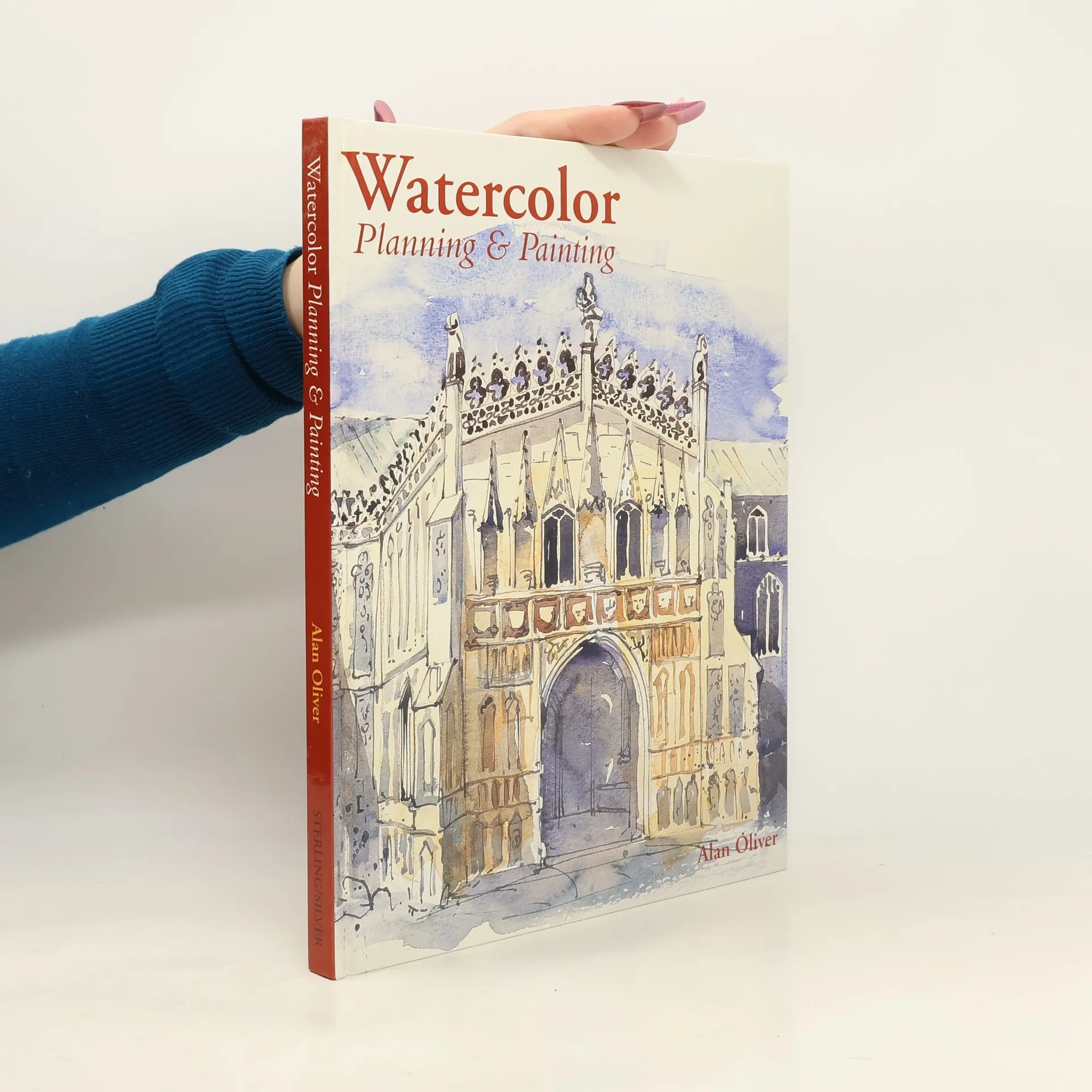
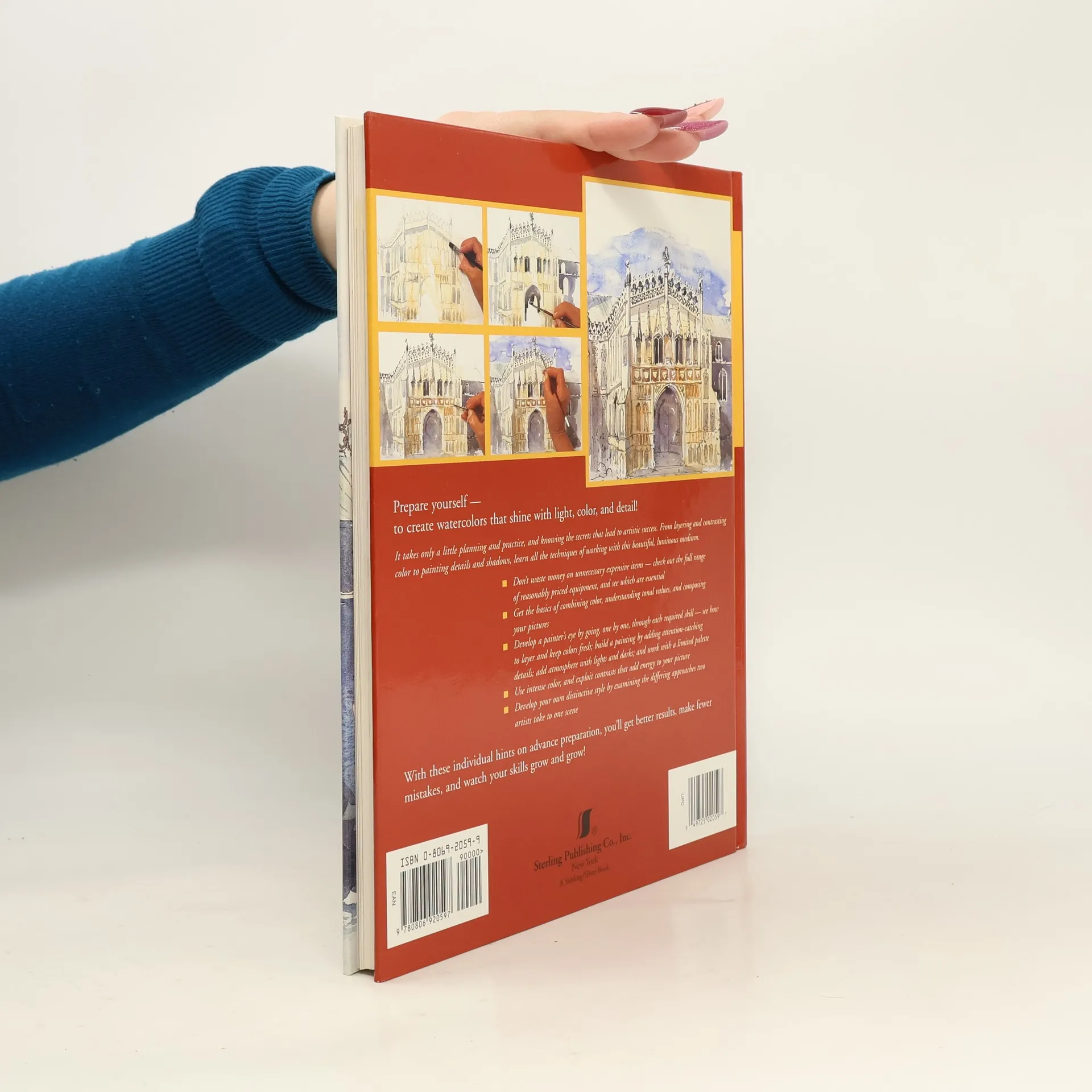
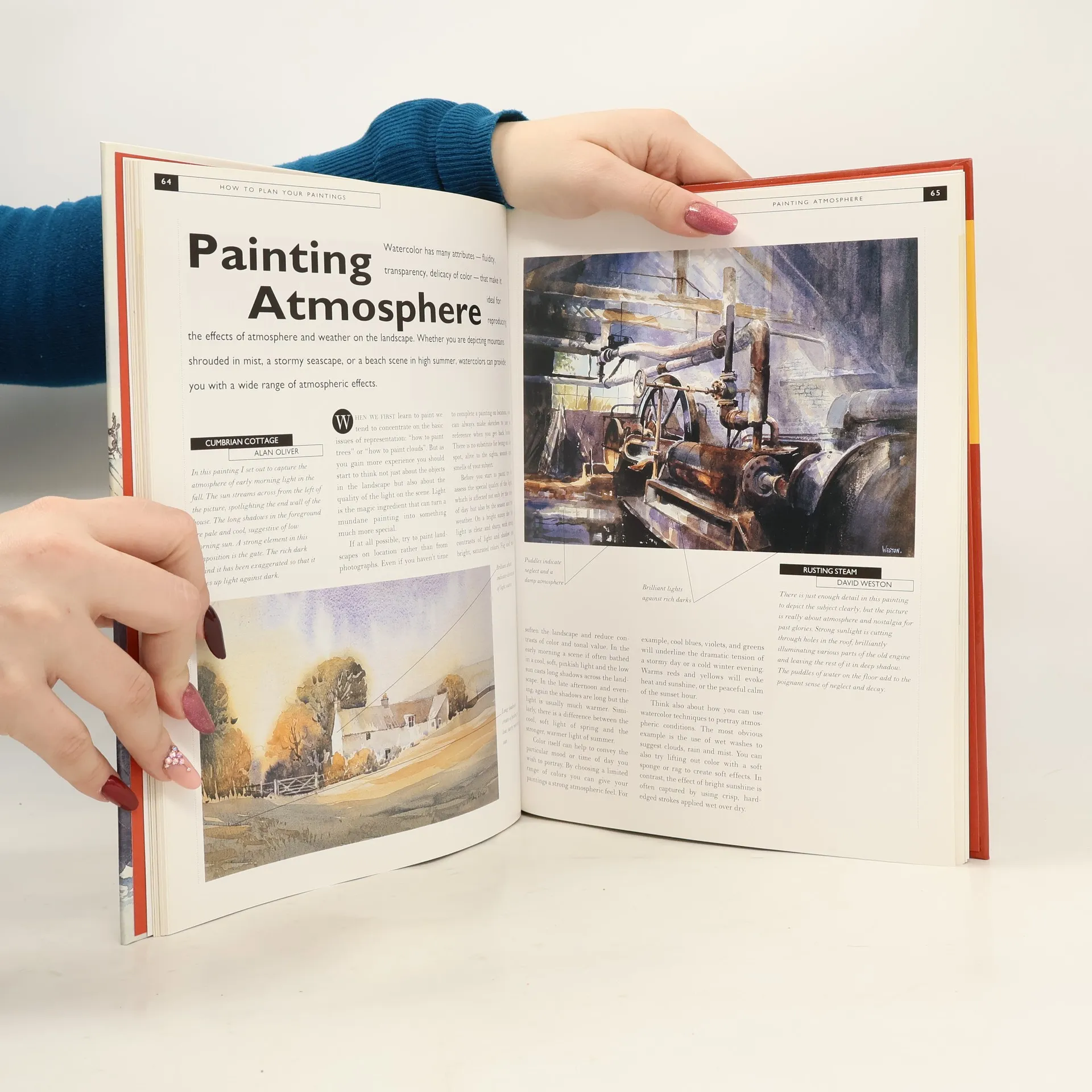
Fluid and effervescent, watercolors attract almost any artist. But as soon as the brush touches the paper, the paint sinks in, making it nearly impossible to correct. Only with good planning can you avoid this trap--and that's hard for eager beginners who rush ahead...and then decide where they're going. With these simple, logical techniques, you can produce a beautiful finished watercolor. The key lies in "tonal layering"--building up successive layers of color to capture the lights, midtones, and darks of your subject. Either apply the paints directly onto dry paper, or try the "wet-on-wet" technique, which uses damp paper and yields softly blended colors. A comparison of two artists, each painting the same subject, shows the dramatically different results of each method. You'll go through each stage of the process, mastering everything from flat washes, to tonal values, to luminous washes--while looking at stunning, full-color examples of finished works. 128 pages (all in color), 8 1/2 x 11.
Zakup książki
Watercolor, Alan Oliver
- Język

- Rok wydania
- 1998
- Oprawa
- (twarda)
Metody płatności
Nikt jeszcze nie ocenił.
- Tytuł
- Watercolor
- Podtytuł
- Planning & Painting
- Język
- angielski
- Autorzy
- Alan Oliver
- Wydawca
- Sterling
- Rok wydania
- 1998
- Oprawa
- twarda
- Liczba stron
- 128
- ISBN10
- 0806920599
- ISBN13
- 9780806920597
- Seria
- Tagi
- Sztuki wizualne, Akwarele
- Opis
- Fluid and effervescent, watercolors attract almost any artist. But as soon as the brush touches the paper, the paint sinks in, making it nearly impossible to correct. Only with good planning can you avoid this trap--and that's hard for eager beginners who rush ahead...and then decide where they're going. With these simple, logical techniques, you can produce a beautiful finished watercolor. The key lies in "tonal layering"--building up successive layers of color to capture the lights, midtones, and darks of your subject. Either apply the paints directly onto dry paper, or try the "wet-on-wet" technique, which uses damp paper and yields softly blended colors. A comparison of two artists, each painting the same subject, shows the dramatically different results of each method. You'll go through each stage of the process, mastering everything from flat washes, to tonal values, to luminous washes--while looking at stunning, full-color examples of finished works. 128 pages (all in color), 8 1/2 x 11.