

Parametry
- 304 strony
- 11 godzin czytania
Więcej o książce
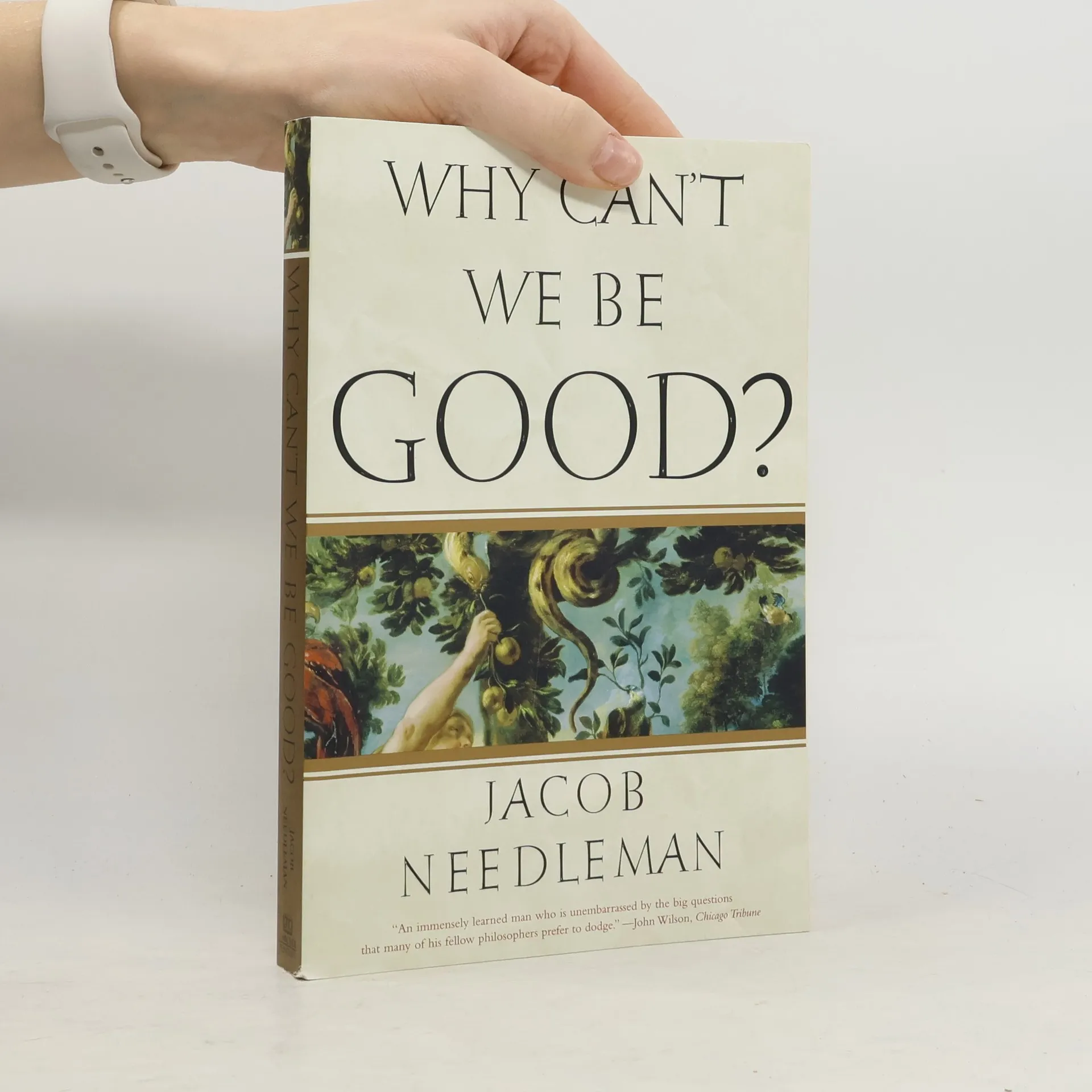
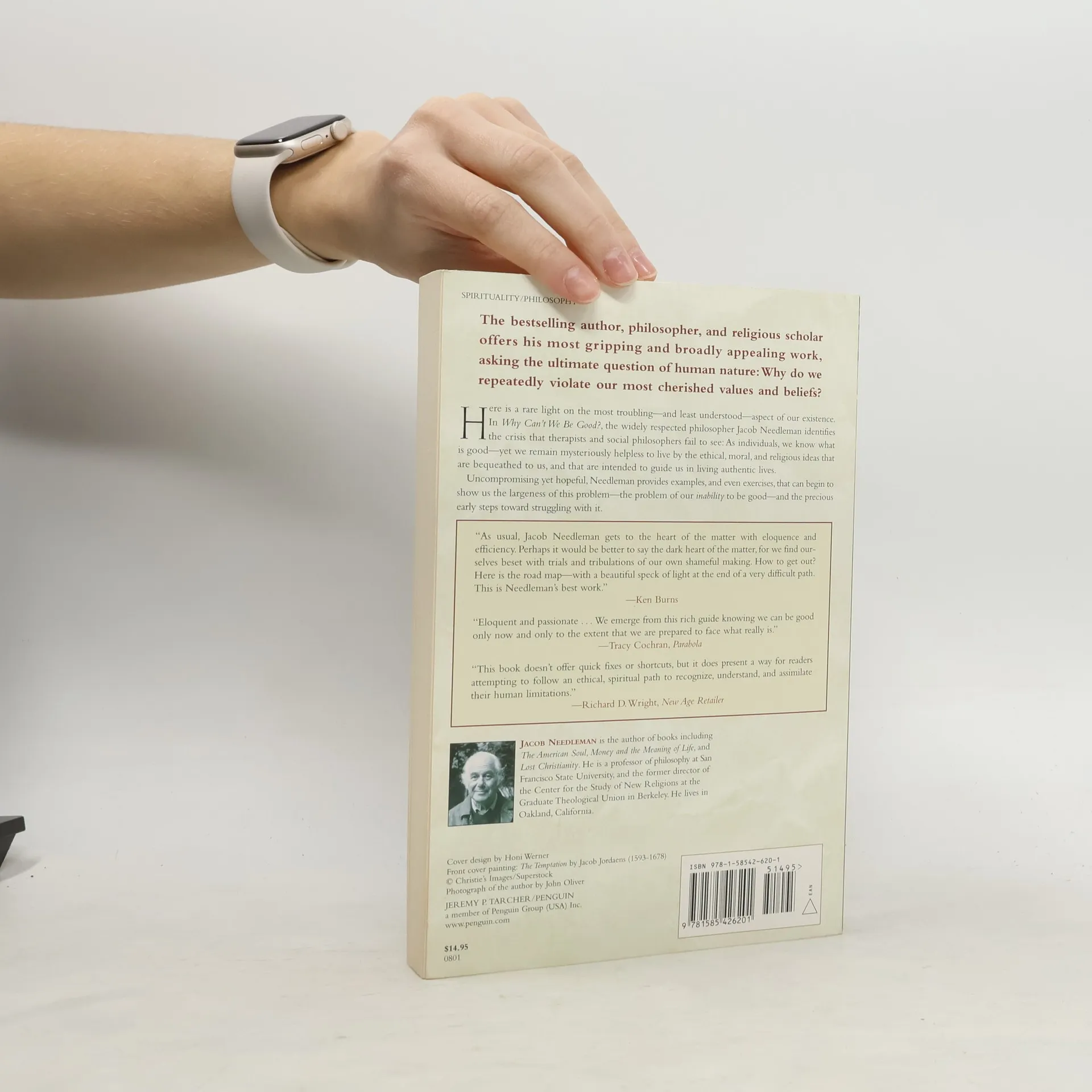
The widely respected social philosopher embarks on his most gripping and broadly appealing work, asking the ultimate question of human nature: Why do we repeatedly violate our most deeply held values and beliefs? After nearly forty years of weighing humanity's deepest dilemmas-working in settings ranging from university and high school classrooms to corporate offices and hospitals-bestselling author, philosopher, and religious scholar Jacob Needleman presents the most urgent, deeply felt, and widely accessible work of his career. In Why Can't We Be Good? Needleman identifies the core problem that therapists and social philosophers fail to see. He depicts the individual human as a being who knows what is good, yet who remains mysteriously helpless to innerly adopt the ethical, moral, and religious ideas that are bequeathed to him.
Zakup książki
Why Can't We Be Good?, Jacob Needleman
- Język

- Rok wydania
- 2008
- Oprawa
- (miękka)
Metody płatności
Brakuje nam tutaj Twojej recenzji.
- Tytuł
- Why Can't We Be Good?
- Język
- angielski
- Autorzy
- Jacob Needleman
- Wydawca
- TarcherPerigee
- Rok wydania
- 2008
- Oprawa
- miękka
- Liczba stron
- 304
- ISBN10
- 1585426202
- ISBN13
- 9781585426201
- Seria
- Kategorie
- Tagi
- Biznes, Przyroda, Nauki przyrodnicze, Tematyka psychologiczna, Tematy religijne, Tematyka filozoficzna, Duchowość, Tematy chrześcijańskie, Zdrowie, Tematyka medyczna, Edukacja & Szkolnictwo, Teologia, Społeczeństwo, Feminizm, Inspiracje, Kultura, Zatrudnienie, Tożsamość, Etyka, Uważność, Kościół, Gender, Ewolucja, Życiowa mądrość, Świadomość, Ciało, Empatia, Dobro i zło
- Ocena
- 3,9 z 5
- Opis
- The widely respected social philosopher embarks on his most gripping and broadly appealing work, asking the ultimate question of human nature: Why do we repeatedly violate our most deeply held values and beliefs? After nearly forty years of weighing humanity's deepest dilemmas-working in settings ranging from university and high school classrooms to corporate offices and hospitals-bestselling author, philosopher, and religious scholar Jacob Needleman presents the most urgent, deeply felt, and widely accessible work of his career. In Why Can't We Be Good? Needleman identifies the core problem that therapists and social philosophers fail to see. He depicts the individual human as a being who knows what is good, yet who remains mysteriously helpless to innerly adopt the ethical, moral, and religious ideas that are bequeathed to him.