

Więcej o książce
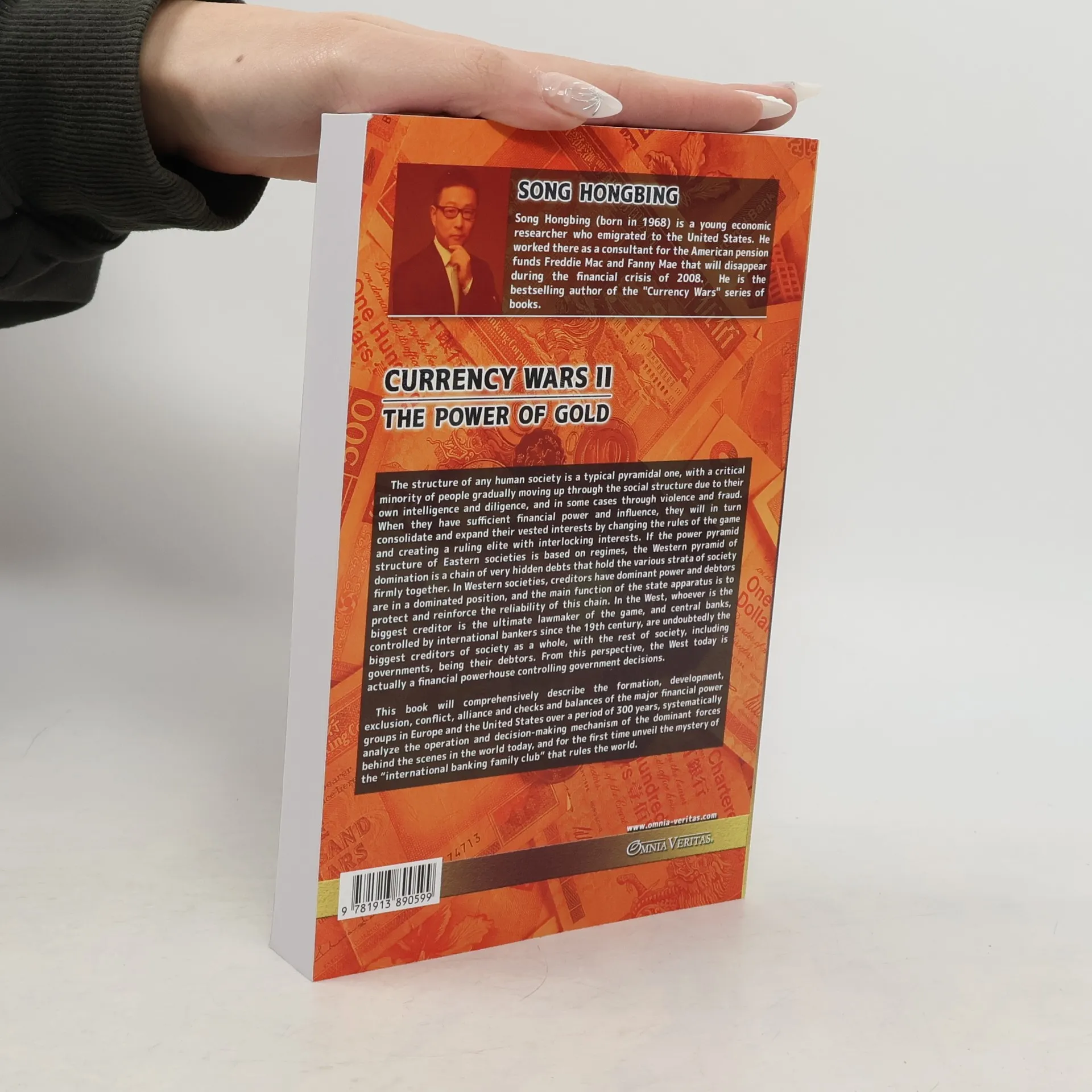
Human society typically resembles a pyramid, where a small, critical minority ascends the social structure through intelligence, diligence, and sometimes through violence or fraud. Once they gain financial power and influence, they consolidate their interests by altering the rules and forming a ruling elite with interconnected agendas. In Eastern societies, this power pyramid is based on regimes, while in the West, it relies on hidden debts that bind various societal strata. Here, creditors wield dominant power over debtors, with the state apparatus primarily serving to uphold this financial chain. The largest creditors, particularly central banks controlled by international bankers since the 19th century, dictate the rules of the game, positioning themselves as the ultimate lawmakers. Consequently, the West functions as a financial powerhouse that significantly influences government decisions. This work will explore the formation, development, exclusion, conflict, alliance, and checks and balances among major financial power groups in Europe and the United States over 300 years. It will systematically analyze the decision-making mechanisms of today's dominant forces and unveil the mystery of the "international banking family club" that governs the world.
Zakup książki
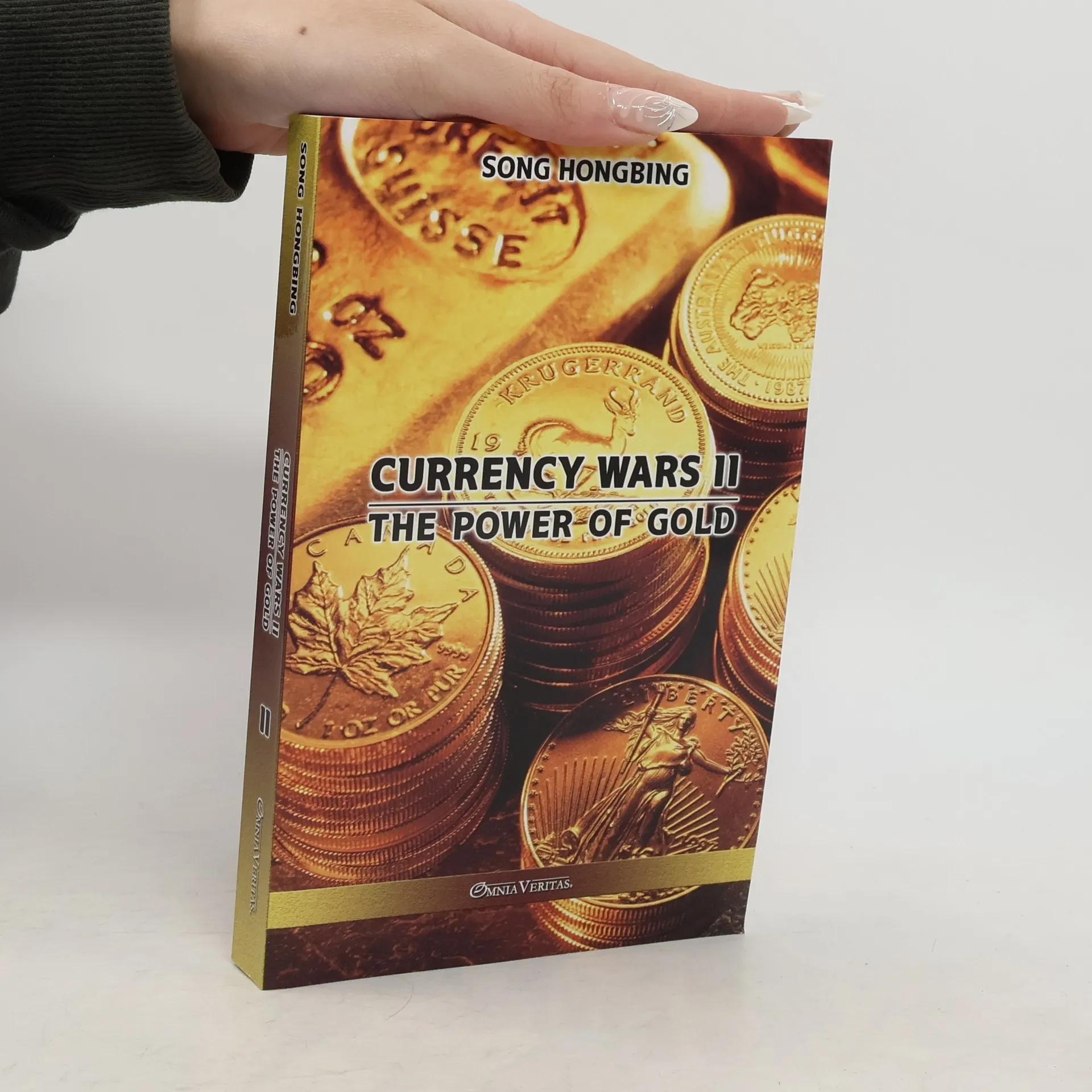
Currency Wars II, Hongbing Song
- Język

- Rok wydania
- 2021
- Oprawa
- (miękka)
Metody płatności
Brakuje nam tutaj Twojej recenzji.
- Tytuł
- Currency Wars II
- Podtytuł
- The Power of Gold
- Język
- angielski
- Autorzy
- Hongbing Song
- Wydawca
- Omnia Veritas Ltd
- Rok wydania
- 2021
- Oprawa
- miękka
- Liczba stron
- 420
- ISBN10
- 1913890597
- ISBN13
- 9781913890599
- Seria
- Kategorie
- Ocena
- 5 z 5
- Opis
- Human society typically resembles a pyramid, where a small, critical minority ascends the social structure through intelligence, diligence, and sometimes through violence or fraud. Once they gain financial power and influence, they consolidate their interests by altering the rules and forming a ruling elite with interconnected agendas. In Eastern societies, this power pyramid is based on regimes, while in the West, it relies on hidden debts that bind various societal strata. Here, creditors wield dominant power over debtors, with the state apparatus primarily serving to uphold this financial chain. The largest creditors, particularly central banks controlled by international bankers since the 19th century, dictate the rules of the game, positioning themselves as the ultimate lawmakers. Consequently, the West functions as a financial powerhouse that significantly influences government decisions. This work will explore the formation, development, exclusion, conflict, alliance, and checks and balances among major financial power groups in Europe and the United States over 300 years. It will systematically analyze the decision-making mechanisms of today's dominant forces and unveil the mystery of the "international banking family club" that governs the world.