


Parametry
- 300 stron
- 11 godzin czytania
Więcej o książce
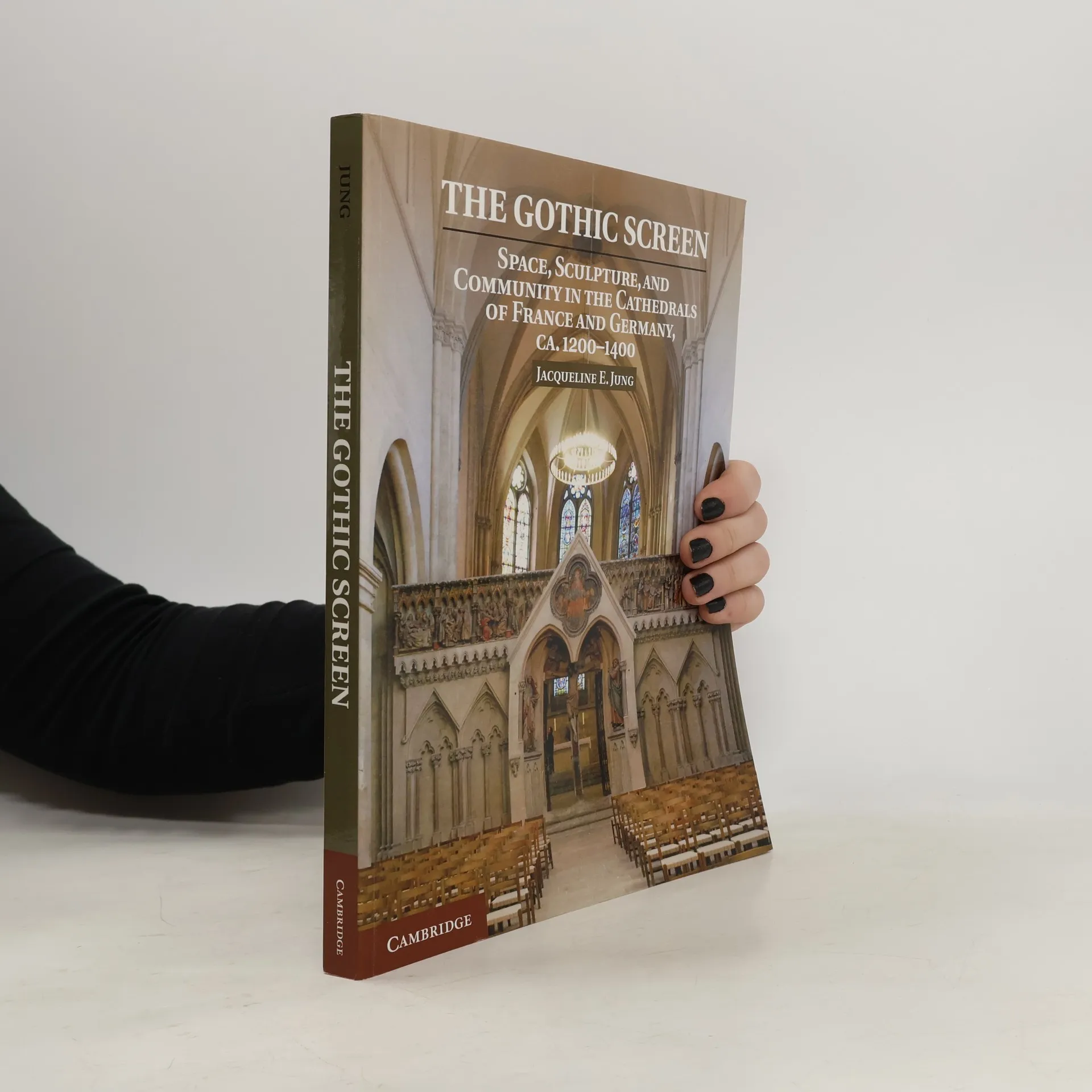
At the heart of Gothic cathedrals, the threshold between nave and sanctuary was marked by the choir screen, a partitioning structure of special complexity, grandeur, and beauty. At once a canopy for altars, a stage for performance, a pedestal for crucifixes and reliquaries, and a ground for spectacular arrays of narrative and iconic sculptures, the choir screen profoundly shaped the spaces of liturgy and social interaction for the diverse communities, both clerical and lay, who shared the church interior. For the first time, this book draws together the most important examples - some fully extant, others known through fragments and graphic sources - from thirteenth- and fourteenth-century France and Germany. Through analyses of both their architectural and sculptural components, Jacqueline E. Jung reveals how these furnishings, far from being barricades or hindrances, were vital vehicles of communication and shapers of a community centered on Christian rituals and stories.
Zakup książki
The Gothic Screen, Jacqueline E. Jung
- Język

- Rok wydania
- 2017
- Oprawa
- (miękka)
Metody płatności
Nikt jeszcze nie ocenił.
- Tytuł
- The Gothic Screen
- Podtytuł
- Space, Sculpture, and Community in the Cathedrals of France and Germany, ca.1200–1400
- Język
- angielski
- Autorzy
- Jacqueline E. Jung
- Wydawca
- Cambridge University Press
- Rok wydania
- 2017
- Oprawa
- miękka
- Liczba stron
- 300
- ISBN10
- 1108430767
- ISBN13
- 9781108430760
- Seria
- Kategorie
- Tagi
- Tematy historyczne, Tematy religijne, Architektura, Tematy chrześcijańskie, Europa, Średniowiecze, Historia Europy, Historia kościoła, Historia religii
- Opis
- At the heart of Gothic cathedrals, the threshold between nave and sanctuary was marked by the choir screen, a partitioning structure of special complexity, grandeur, and beauty. At once a canopy for altars, a stage for performance, a pedestal for crucifixes and reliquaries, and a ground for spectacular arrays of narrative and iconic sculptures, the choir screen profoundly shaped the spaces of liturgy and social interaction for the diverse communities, both clerical and lay, who shared the church interior. For the first time, this book draws together the most important examples - some fully extant, others known through fragments and graphic sources - from thirteenth- and fourteenth-century France and Germany. Through analyses of both their architectural and sculptural components, Jacqueline E. Jung reveals how these furnishings, far from being barricades or hindrances, were vital vehicles of communication and shapers of a community centered on Christian rituals and stories.