

Parametry
- 284 strony
- 10 godzin czytania
Więcej o książce
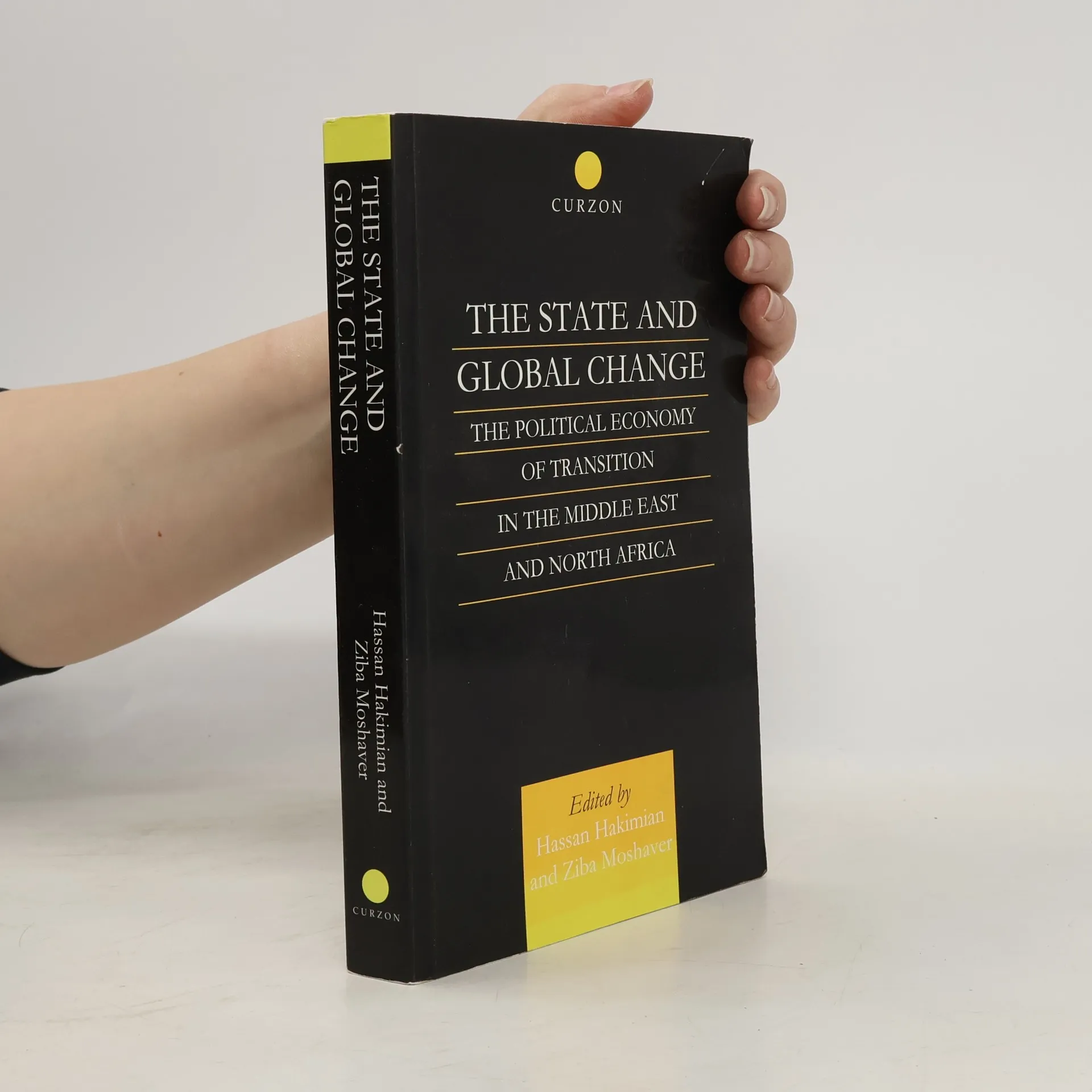
Economic liberalisation and reform are widely considered as the favourite remedies for the declining economic fortunes of the Middle Eastern and North African states in the past two decades. International economic institutions have been among the main advocates of transition to market-led economies in the region and a force contributing to its realisation. This has placed the state at the centre of the proposed transformations, acting both as an instrument of, and an obstacle to, change. With attempts at liberalisation worldwide spanning over twenty years, the time is ripe for a re-evaluation of its premises and outcome. The essays in this volume debate the political economy of transition and reforms in the Middle East and North Africa, drawing on interdisciplinary approaches and outlooks involving international, regional and national levels of analysis. The three central themes of the book are the rationale and strategies for reform, the processes and outcomes, and the nature of the state in the changing global setting.
Zakup książki
The State and Global Change, Hassan Hakimian, Ziba Moshaver
- Język

- Rok wydania
- 2000
- Oprawa
- (miękka)
Metody płatności
Nikt jeszcze nie ocenił.
- Tytuł
- The State and Global Change
- Podtytuł
- The Political Economy of Transition in the Middle East and North Africa
- Język
- angielski
- Autorzy
- Hassan Hakimian, Ziba Moshaver
- Wydawca
- Routledge
- Rok wydania
- 2000
- Oprawa
- miękka
- Liczba stron
- 284
- ISBN10
- 0700713662
- ISBN13
- 9780700713660
- Seria
- Kategorie
- Tagi
- Biznes, Polityka, Historia lokalna, Teorie polityczne, Prawo cywilne, Historia gospodarcza, Polityka Gospodarcza, Administracja publiczna, Ekonomia polityczna, Afryka Północna
- Opis
- Economic liberalisation and reform are widely considered as the favourite remedies for the declining economic fortunes of the Middle Eastern and North African states in the past two decades. International economic institutions have been among the main advocates of transition to market-led economies in the region and a force contributing to its realisation. This has placed the state at the centre of the proposed transformations, acting both as an instrument of, and an obstacle to, change. With attempts at liberalisation worldwide spanning over twenty years, the time is ripe for a re-evaluation of its premises and outcome. The essays in this volume debate the political economy of transition and reforms in the Middle East and North Africa, drawing on interdisciplinary approaches and outlooks involving international, regional and national levels of analysis. The three central themes of the book are the rationale and strategies for reform, the processes and outcomes, and the nature of the state in the changing global setting.