

Parametry
- 232 strony
- 9 godzin czytania
Więcej o książce
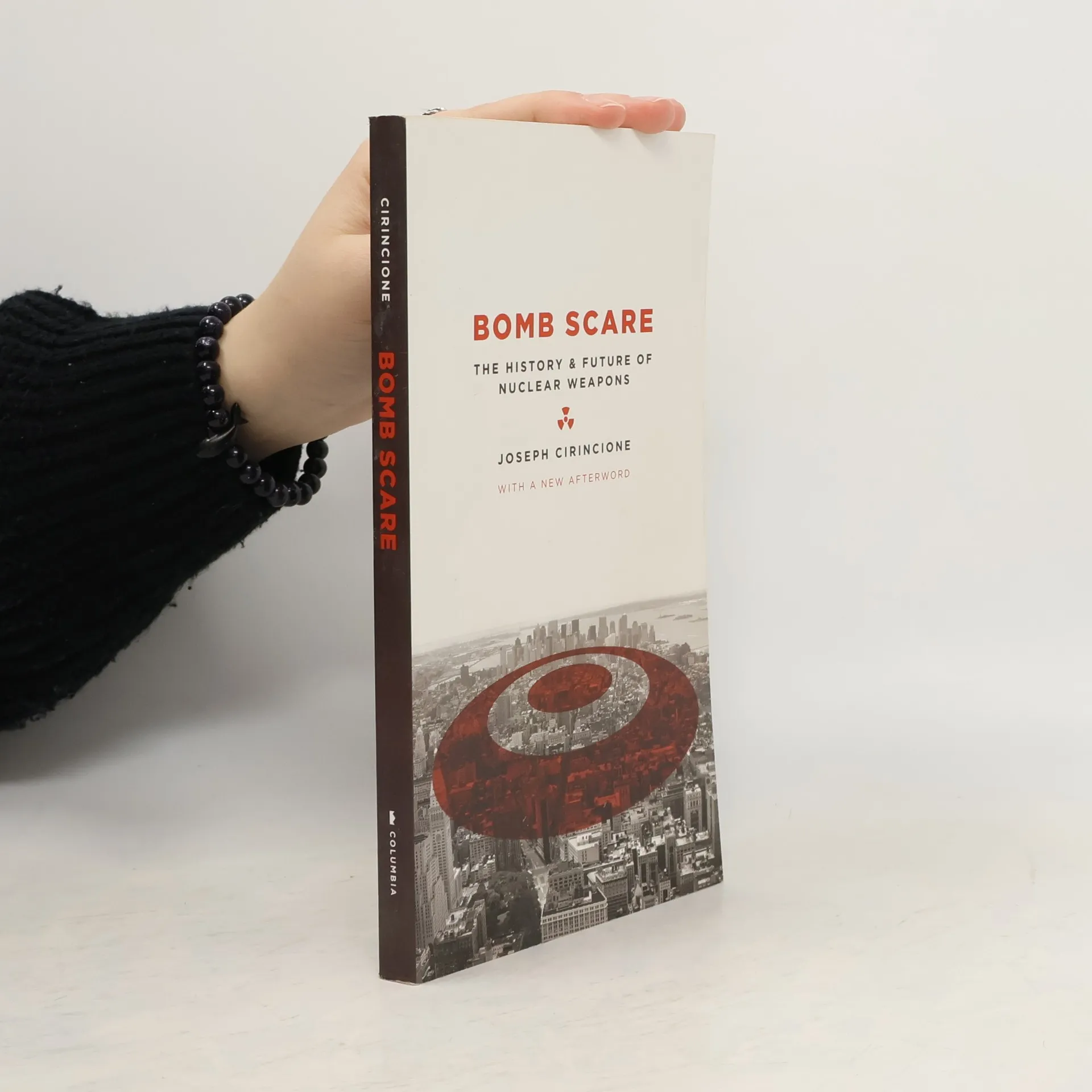
Since their inception, nuclear weapons have proliferated at an alarming rate, prompting concerns about how to slow, stop, or reverse their spread. Joseph Cirincione offers a balanced examination of nuclear proliferation's history and an optimistic vision for its future, surveying various critical perspectives. He traces the journey from the first atomic discoveries in the 1930s to the current crisis with Iran, exploring the science, strategy, and politics behind nuclear stockpiles and the heightened risk of nuclear terrorism. Cirincione also highlights why some nations opt against pursuing nuclear weapons, suggesting a solution to the proliferation issue: a combination of force and diplomacy, enforcement and engagement that can lead to a steady reduction of these arsenals. While nuclear weapons have not been used in conflict since August 1945, their continued existence poses a significant risk. This work uniquely combines history, theory, and security analysis, providing readers with a clear understanding of the issue and equipping policymakers and scholars with tools to avert the catastrophic consequences of another nuclear attack.
Zakup książki
Bomb Scare, Joseph Cirincione
- Język

- Rok wydania
- 2008
- Oprawa
- (miękka)
Metody płatności
Brakuje nam tutaj Twojej recenzji.
- Tytuł
- Bomb Scare
- Podtytuł
- The History and Future of Nuclear Weapons - With a New Afterword
- Język
- angielski
- Autorzy
- Joseph Cirincione
- Wydawca
- Columbia University Press
- Rok wydania
- 2008
- Oprawa
- miękka
- Liczba stron
- 232
- ISBN10
- 0231135114
- ISBN13
- 9780231135115
- Seria
- Kategorie
- Tagi
- Tematy historyczne, Polityka, Nauka, USA, Wojny, Literatura fachowa, Teorie polityczne, Stosunki międzynarodowe, Broń jądrowa
- Ocena
- 4,05 z 5
- Opis
- Since their inception, nuclear weapons have proliferated at an alarming rate, prompting concerns about how to slow, stop, or reverse their spread. Joseph Cirincione offers a balanced examination of nuclear proliferation's history and an optimistic vision for its future, surveying various critical perspectives. He traces the journey from the first atomic discoveries in the 1930s to the current crisis with Iran, exploring the science, strategy, and politics behind nuclear stockpiles and the heightened risk of nuclear terrorism. Cirincione also highlights why some nations opt against pursuing nuclear weapons, suggesting a solution to the proliferation issue: a combination of force and diplomacy, enforcement and engagement that can lead to a steady reduction of these arsenals. While nuclear weapons have not been used in conflict since August 1945, their continued existence poses a significant risk. This work uniquely combines history, theory, and security analysis, providing readers with a clear understanding of the issue and equipping policymakers and scholars with tools to avert the catastrophic consequences of another nuclear attack.