

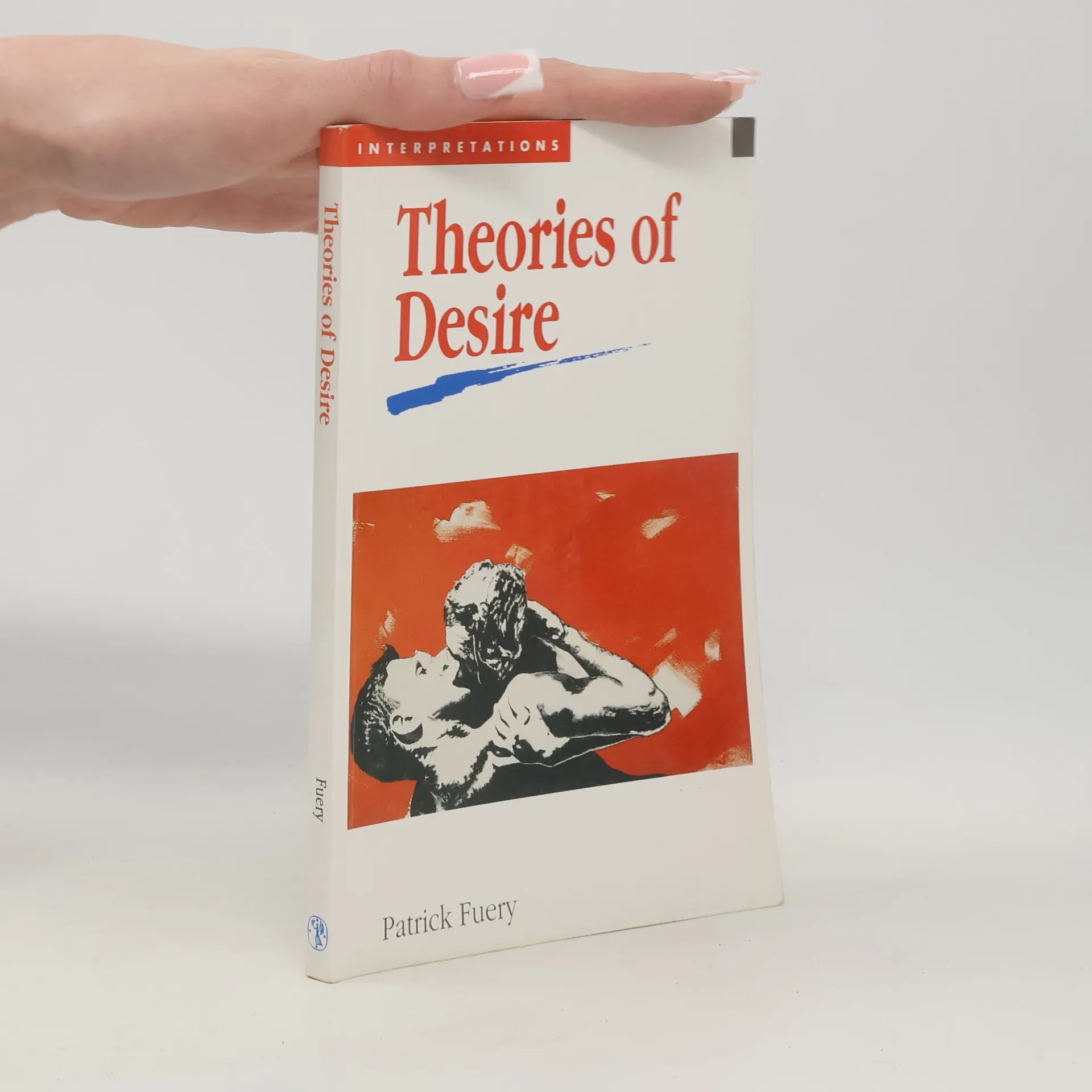


Więcej o książce
What do Lacan, Barthes, Derrida, Foucault, Kristeva, Cixous and Irigaray have in common? These giants of critical theory are all linked by their analyses of desire.Theories of Desire looks at the role of desire in the works of these writers, as well as examining other major issues and themes of post-structuralism. Fuery considers the place of desire in psychoanalysis, philosophy, literary studies and feminism. In a lucid and accessible manner, he highlights the connections between desire and the critical analysis of subjectivity, language and culture. He examines the institutionalisation of desire, the relationship between language, discourse and desire, and notes the problems of dealing with women's desire in phallocentric contexts.For anyone seeking a comprehensible introduction to the arcane tangles of post-structuralism, this book will be an invaluable guide.
Zakup książki
Interpretations: Theories of Desire, Patrick Fuery
- Język

- Rok wydania
- 1995
- Oprawa
- (miękka)
Metody płatności
Brakuje nam tutaj Twojej recenzji.
- Tytuł
- Interpretations: Theories of Desire
- Język
- angielski
- Autorzy
- Patrick Fuery
- Wydawca
- Melbourne University
- Rok wydania
- 1995
- Oprawa
- miękka
- Liczba stron
- 107
- ISBN10
- 0522846203
- ISBN13
- 9780522846201
- Seria
- Ocena
- 3 z 5
- Opis
- What do Lacan, Barthes, Derrida, Foucault, Kristeva, Cixous and Irigaray have in common? These giants of critical theory are all linked by their analyses of desire.Theories of Desire looks at the role of desire in the works of these writers, as well as examining other major issues and themes of post-structuralism. Fuery considers the place of desire in psychoanalysis, philosophy, literary studies and feminism. In a lucid and accessible manner, he highlights the connections between desire and the critical analysis of subjectivity, language and culture. He examines the institutionalisation of desire, the relationship between language, discourse and desire, and notes the problems of dealing with women's desire in phallocentric contexts.For anyone seeking a comprehensible introduction to the arcane tangles of post-structuralism, this book will be an invaluable guide.