

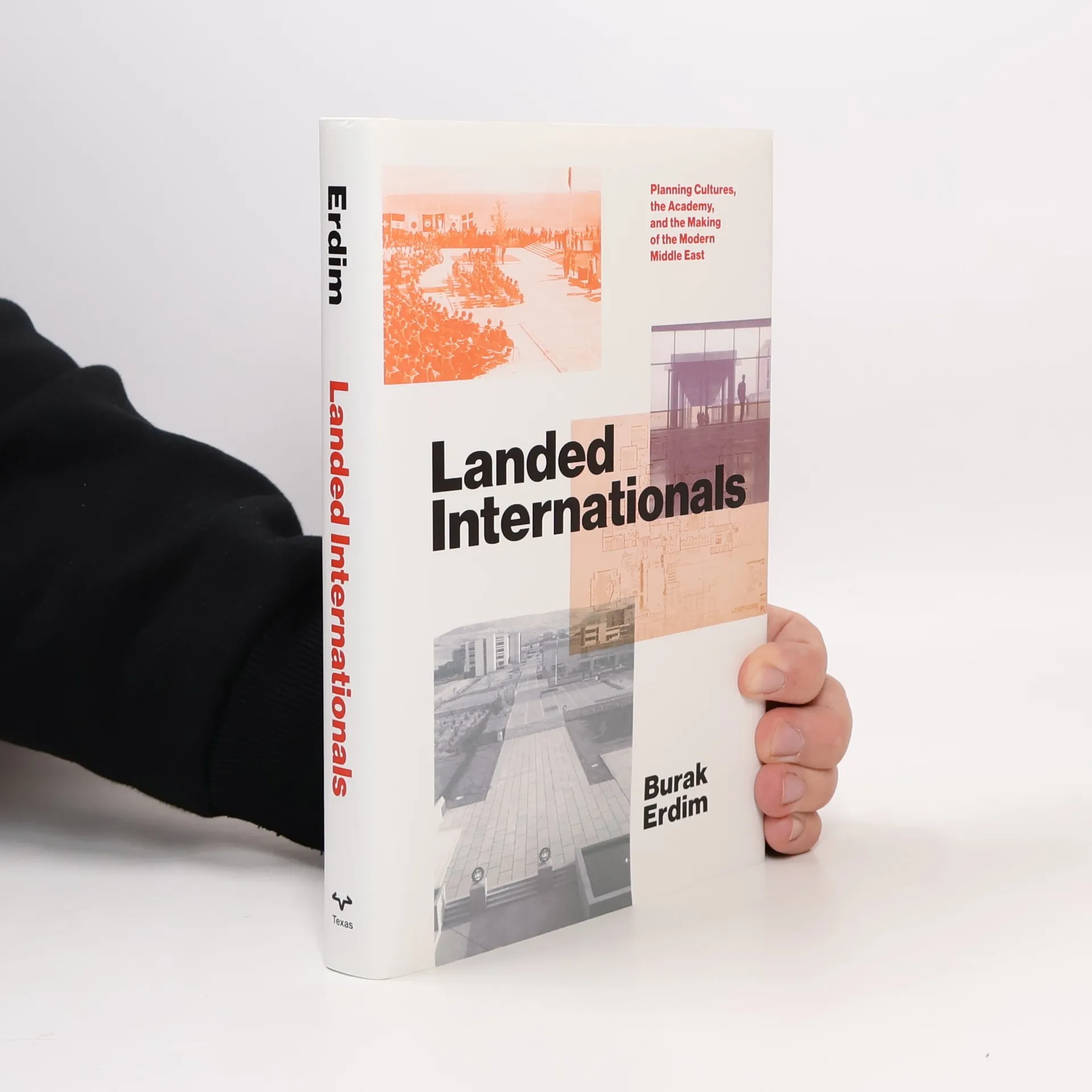
Landed Internationals
Planning Cultures, the Academy, and the Making of the Modern Middle East
Autorzy
Ocena książki
Więcej o książce
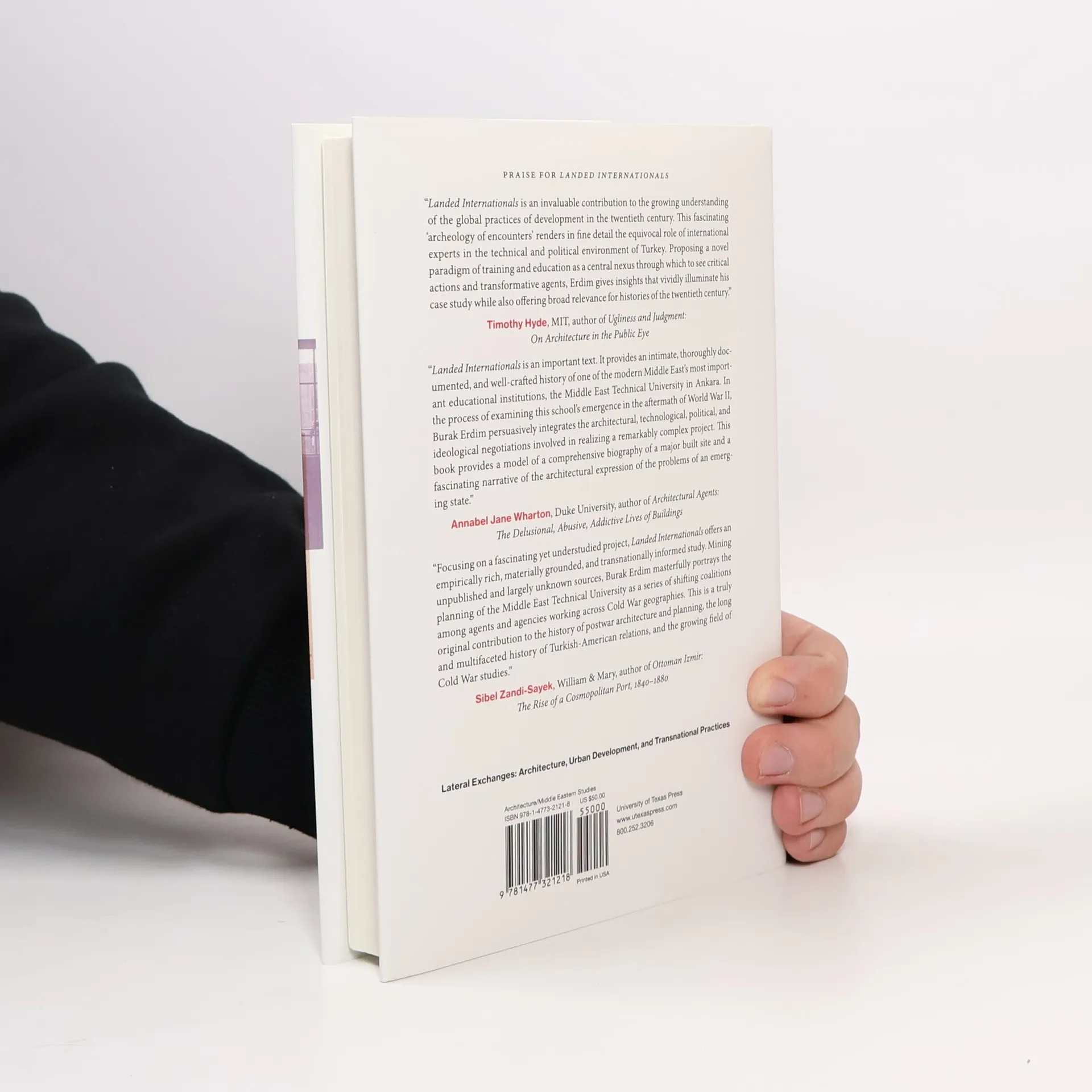
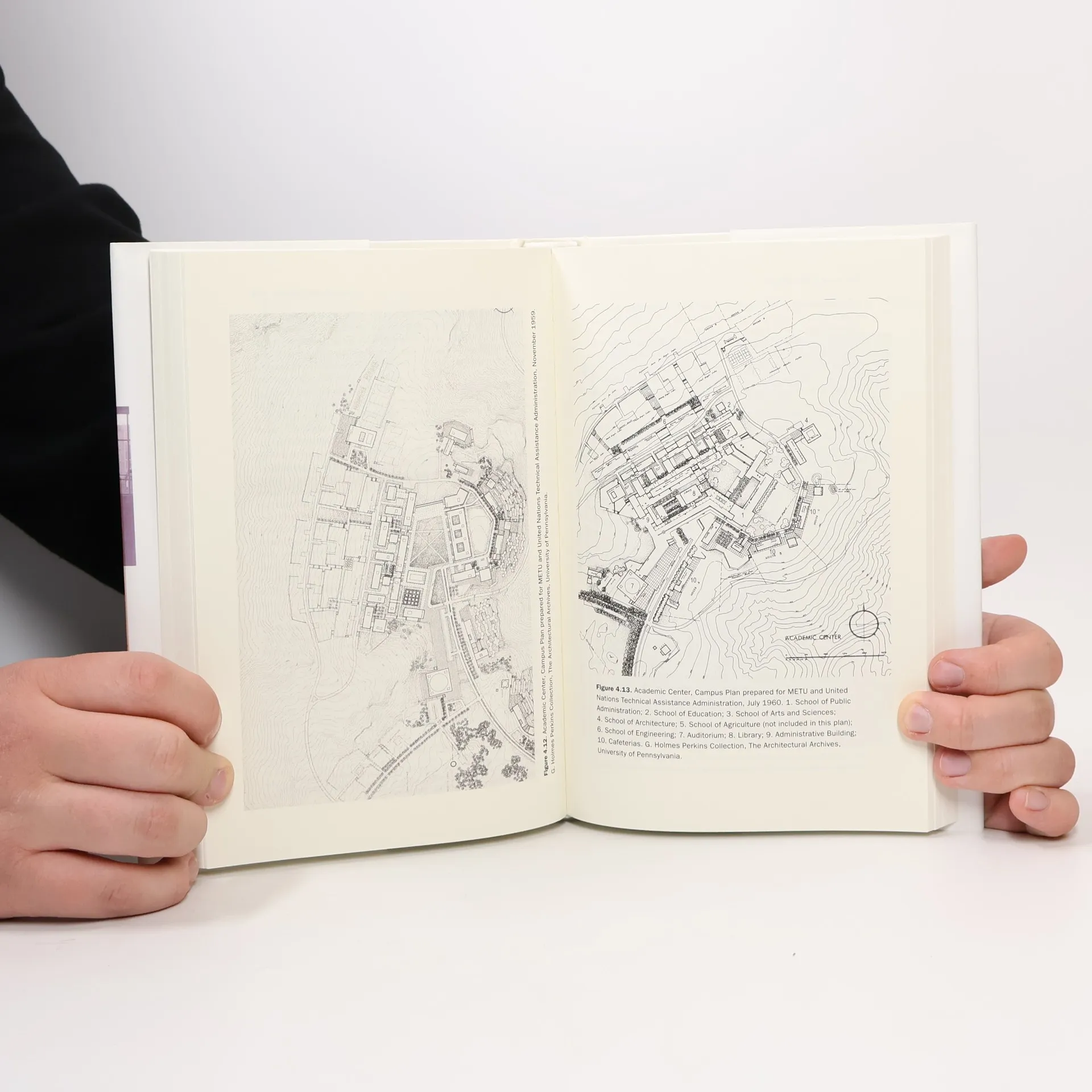
Landed Internationals examines the international culture of postwar urban planning through the case of the Middle East Technical University (METU) in Ankara, Turkey. Today the center of Turkey's tech, energy, and defense elites, METU was founded in the 1950s through an effort jointly sponsored by the UN, the University of Pennsylvania, and various governmental agencies of the United States and Turkey. Drawing on the language of the UN and its Technical Assistance Board, Erdim uses the phrase technical assistance machinery to encompass the sprawling set of relationships activated by this endeavor. Erdim studies a series of legitimacy battles among bureaucrats, academics, and other professionals in multiple theaters across the political geography of the Cold War. These different factions shared a common goal: the production of nationhood--albeit nationhood understood and defined in multiple, competing ways. He also examines the role of the American architecture firm Skidmore, Owings, and Merrill; the New York housing policy guru Charles Abrams; the UN and the University of Pennsylvania; and the Turkish architects Altuğ and Behruz �inici. In the end, METU itself looked like a model postwar nation within the world order, and Erdim concludes by discussing how it became an important force in transnational housing, planning, and preservation in its own right.
Zakup książki
Landed Internationals, Burak Erdim
- Język

- Rok wydania
- 2020
- Oprawa
- (twarda)
Metody płatności
Brakuje nam tutaj Twojej recenzji.
- Tytuł
- Landed Internationals
- Podtytuł
- Planning Cultures, the Academy, and the Making of the Modern Middle East
- Język
- angielski
- Autorzy
- Burak Erdim
- Wydawca
- University of Texas Press
- Rok wydania
- 2020
- Oprawa
- twarda
- Liczba stron
- 360
- ISBN10
- 1477321217
- ISBN13
- 9781477321218
- Seria
- Tagi
- Tematy historyczne, Architektura, Europa, Literatura fachowa, Turcja, Nauki humanistyczne, Mieszkanie, Projektowanie
- Ocena
- 5 z 5
- Opis
- Landed Internationals examines the international culture of postwar urban planning through the case of the Middle East Technical University (METU) in Ankara, Turkey. Today the center of Turkey's tech, energy, and defense elites, METU was founded in the 1950s through an effort jointly sponsored by the UN, the University of Pennsylvania, and various governmental agencies of the United States and Turkey. Drawing on the language of the UN and its Technical Assistance Board, Erdim uses the phrase technical assistance machinery to encompass the sprawling set of relationships activated by this endeavor. Erdim studies a series of legitimacy battles among bureaucrats, academics, and other professionals in multiple theaters across the political geography of the Cold War. These different factions shared a common goal: the production of nationhood--albeit nationhood understood and defined in multiple, competing ways. He also examines the role of the American architecture firm Skidmore, Owings, and Merrill; the New York housing policy guru Charles Abrams; the UN and the University of Pennsylvania; and the Turkish architects Altuğ and Behruz �inici. In the end, METU itself looked like a model postwar nation within the world order, and Erdim concludes by discussing how it became an important force in transnational housing, planning, and preservation in its own right.