

Ocena książki
Więcej o książce
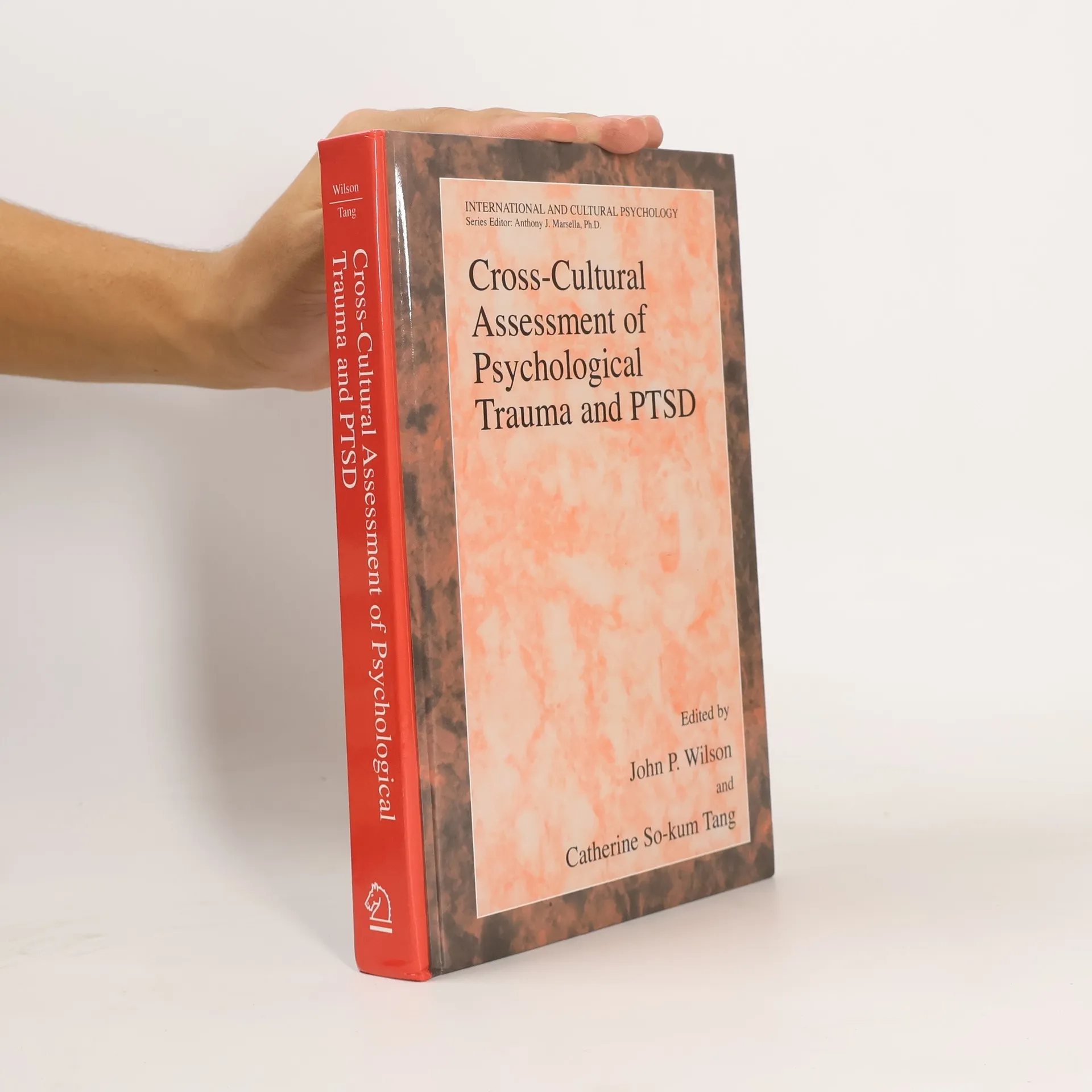
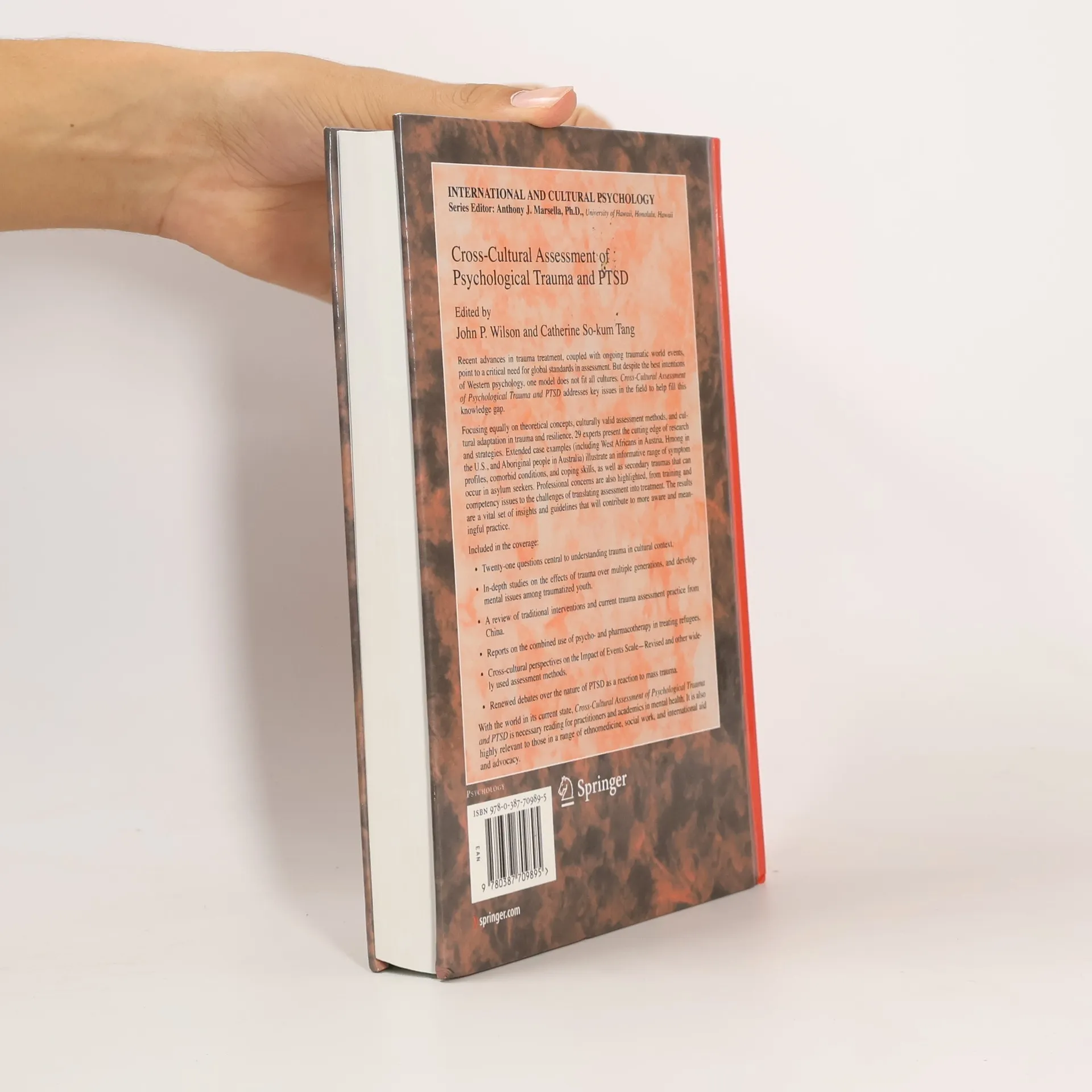
Recent advances in trauma treatment, coupled with ongoing traumatic world events, point to a critical need for global standards in assessment. But despite the best intentions of Western psychology, one model does not fit all cultures. Cross-Cultural Assessment of Psychological Trauma and PTSD addresses key issues in the field to help fill this knowledge gap. Focusing equally on theoretical concepts, culturally valid assessment methods, and cultural adaptation in trauma and resilience, 29 experts present the cutting edge of research and strategies. Extended case examples (including West Africans in Austria, Hmong in the U.S., and Aboriginal people in Australia) illustrate an informative range of symptom profiles, comorbid conditions, and coping skills, as well as secondary traumas that can occur in asylum seekers. Professional concerns are also highlighted, from training and competency issues to the challenges of translating assessment into treatment.
Zakup książki
International and Cultural Psychology: Cross-Cultural Assessment of Psychological Trauma and PTSD, John P. Wilson, Catherine C. So-Kum Tang
- Język

- Rok wydania
- 2007
- Oprawa
- (twarda)
Metody płatności
Brakuje nam tutaj Twojej recenzji.
- Tytuł
- International and Cultural Psychology: Cross-Cultural Assessment of Psychological Trauma and PTSD
- Język
- angielski
- Wydawca
- Springer
- Rok wydania
- 2007
- Oprawa
- twarda
- Liczba stron
- 432
- ISBN10
- 0387709894
- ISBN13
- 9780387709895
- Tagi
- Zdrowie psychiczne, Prace zebrane, Kultura, Psychoterapia, Szkolenie, Psychologia społeczna, Psychologia kliniczna, Zespół stresu pourazowego, Traumatologia
- Ocena
- 4 z 5
- Opis
- Recent advances in trauma treatment, coupled with ongoing traumatic world events, point to a critical need for global standards in assessment. But despite the best intentions of Western psychology, one model does not fit all cultures. Cross-Cultural Assessment of Psychological Trauma and PTSD addresses key issues in the field to help fill this knowledge gap. Focusing equally on theoretical concepts, culturally valid assessment methods, and cultural adaptation in trauma and resilience, 29 experts present the cutting edge of research and strategies. Extended case examples (including West Africans in Austria, Hmong in the U.S., and Aboriginal people in Australia) illustrate an informative range of symptom profiles, comorbid conditions, and coping skills, as well as secondary traumas that can occur in asylum seekers. Professional concerns are also highlighted, from training and competency issues to the challenges of translating assessment into treatment.