

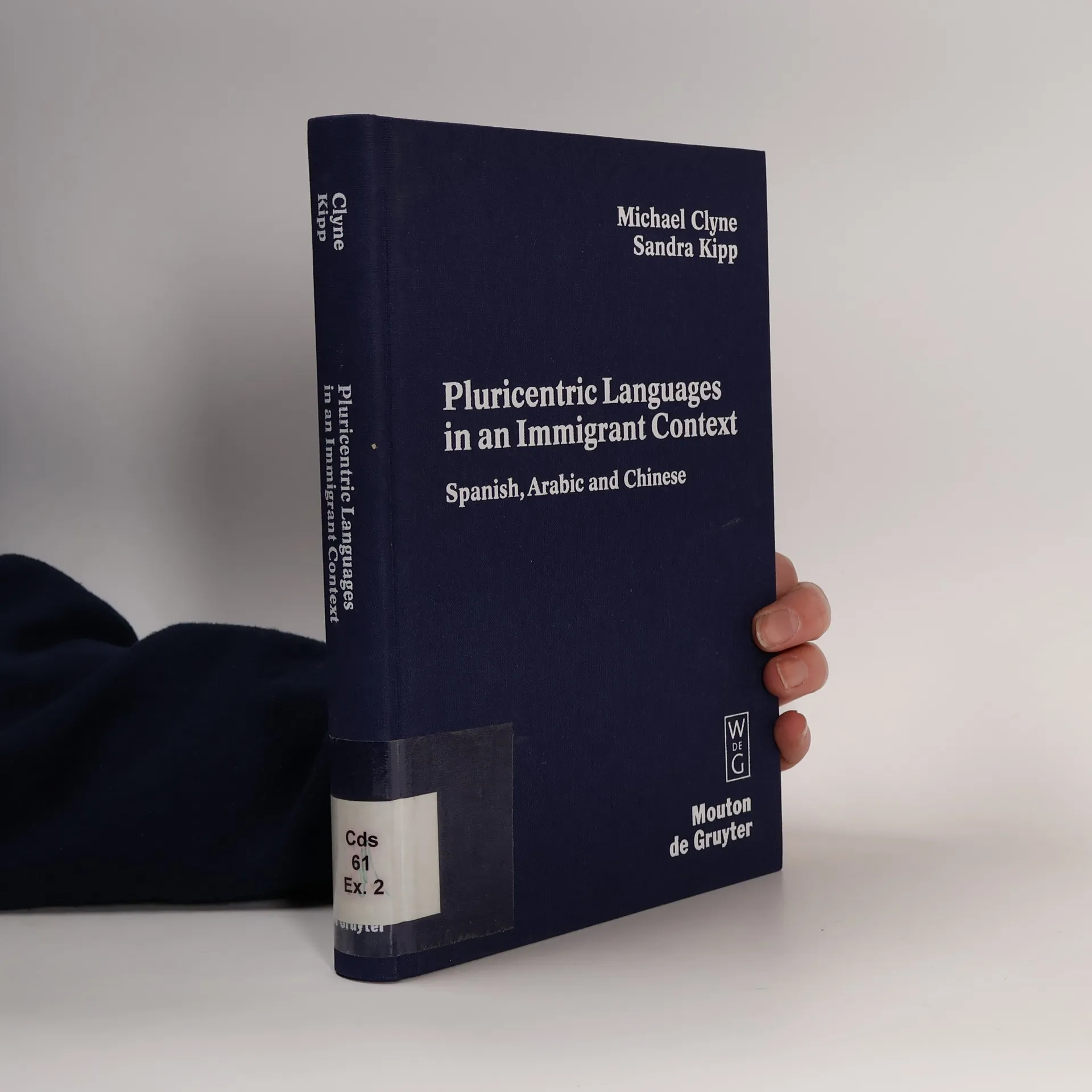
Więcej o książce
This monograph is the first attempt to explore the notion of pluricentric languages in relation to language maintenance and shift in an immigrant situation (Australia). The three languages selected (Spanish, Arabic, Chinese) are all pluricentric in different ways and are all languages of international significance. Analysis of the differences in language maintenance processes and patterns between the three languages, and between the different subgroups within the relevant communities, help pinpoint some of the basic factors in language maintenance as well as some of the more ambivalent or variable factors. It has also been possible to consider to what extent the language gives rise to communities based on language rather than national origins. Among the findings of the study is the significance of the major immigration vintage of the group on language maintenance attitudes and practices. This partly reflects changing policies and attitudes in mainstream Australian society.The book is an important source for sociolinguists, political scientists and those who are working in the fields of applied linguistics and ethnic relations.
Zakup książki
Pluricentric Languages in an Immigrant Context, Michael G. Clyne, Sandra Kipp
- Język

- Rok wydania
- 1999
- Oprawa
- (twarda)
Metody płatności
Nikt jeszcze nie ocenił.
- Tytuł
- Pluricentric Languages in an Immigrant Context
- Podtytuł
- Spanish, Arabic and Chinese
- Język
- angielski
- Autorzy
- Michael G. Clyne, Sandra Kipp
- Wydawca
- Walter de Gruyter
- Rok wydania
- 1999
- Oprawa
- twarda
- Liczba stron
- 381
- ISBN10
- 3110165775
- ISBN13
- 9783110165777
- Seria
- Kategorie
- Opis
- This monograph is the first attempt to explore the notion of pluricentric languages in relation to language maintenance and shift in an immigrant situation (Australia). The three languages selected (Spanish, Arabic, Chinese) are all pluricentric in different ways and are all languages of international significance. Analysis of the differences in language maintenance processes and patterns between the three languages, and between the different subgroups within the relevant communities, help pinpoint some of the basic factors in language maintenance as well as some of the more ambivalent or variable factors. It has also been possible to consider to what extent the language gives rise to communities based on language rather than national origins. Among the findings of the study is the significance of the major immigration vintage of the group on language maintenance attitudes and practices. This partly reflects changing policies and attitudes in mainstream Australian society.The book is an important source for sociolinguists, political scientists and those who are working in the fields of applied linguistics and ethnic relations.