


Parametry
- 240 stron
- 9 godzin czytania
Więcej o książce
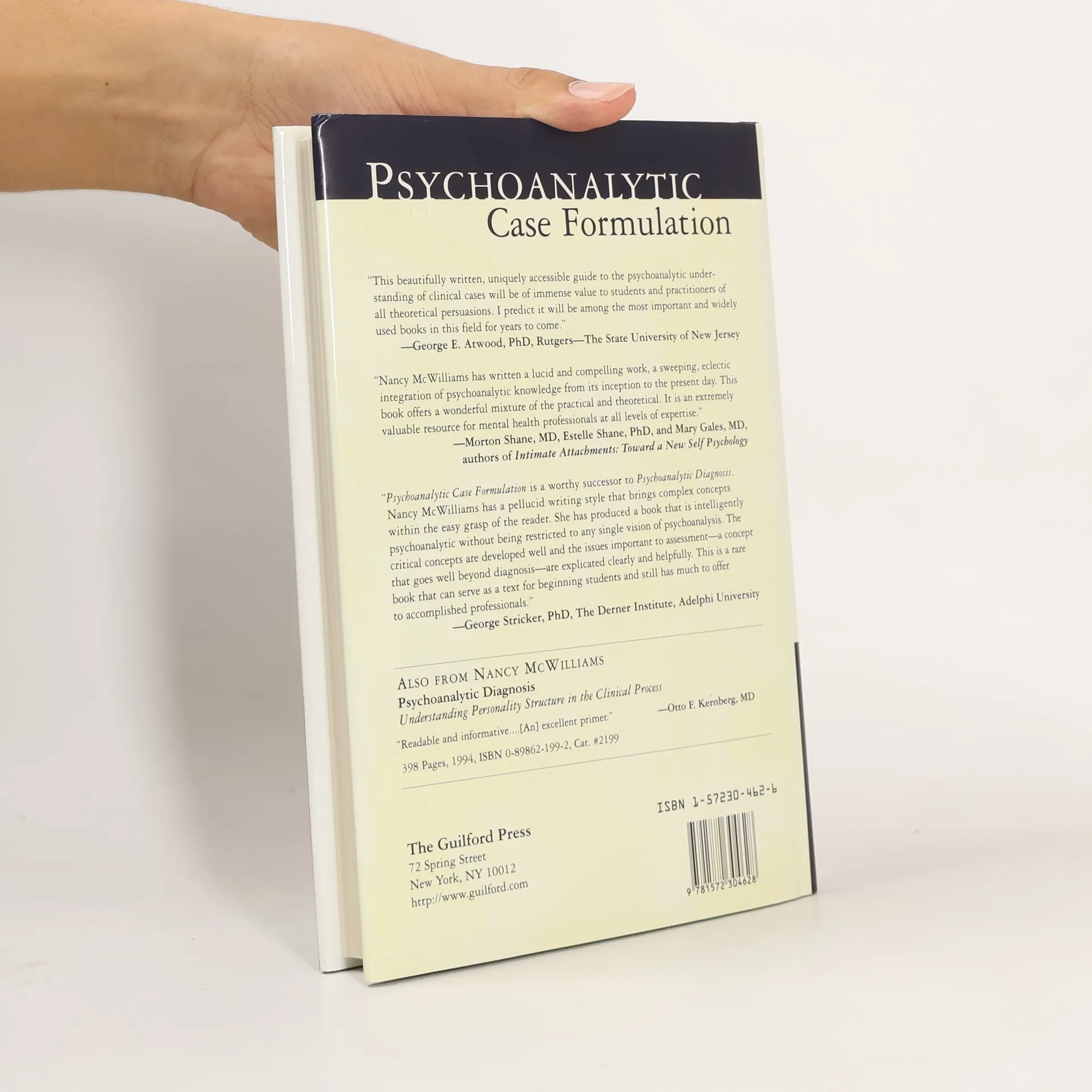
What kinds of questions do experienced therapists ask themselves when facing a new client? How can clinical expertise be taught? From the author of the landmark Psychoanalytic Diagnosis , this book takes clinicians step-by- step through developing an understanding of each client's unique psychology and using this information to guide and inform treatment decisions. McWilliams shows that while seasoned practitioners rely upon established diagnostic categories for record-keeping and insurance purposes, their actual clinical concepts and practices reflect more inferential, subjective, and intuitive processes. Interweaving illustrative case examples with theoretical insights and clinically significant research, chapters cover assessment of client temperament, developmental issues, defenses, affects, identifications, relational patterns, self-esteem needs, and pathogenic beliefs.Winner--Gradiva Award, National Association for the Advancement of Psychoanalysis
Zakup książki
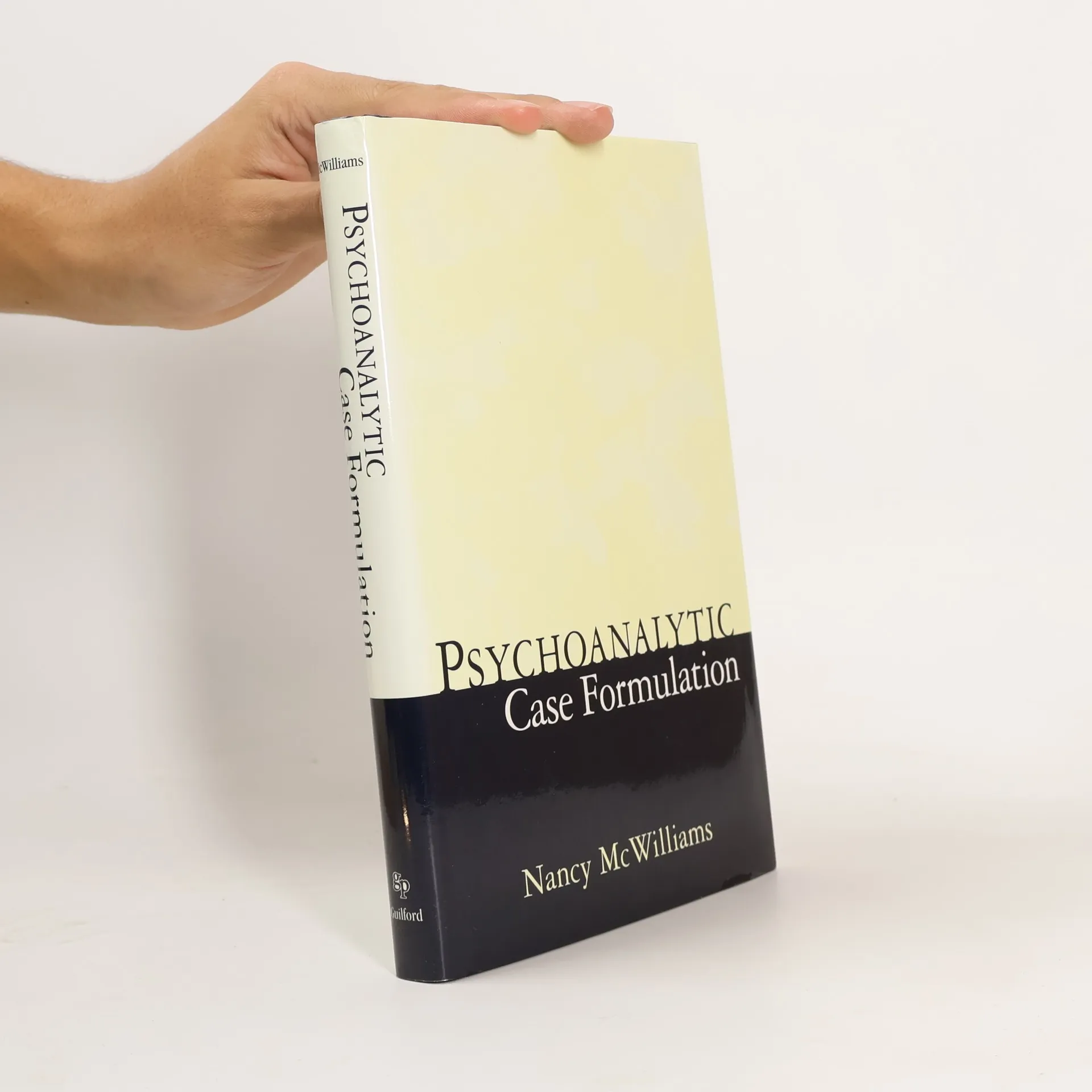
Psychoanalytic Case Formulation, Nancy McWilliams
- Język

- Rok wydania
- 1999
- Oprawa
- (twarda)
Metody płatności
Brakuje nam tutaj Twojej recenzji.
- Tytuł
- Psychoanalytic Case Formulation
- Język
- angielski
- Autorzy
- Nancy McWilliams
- Wydawca
- Guilford Press
- Rok wydania
- 1999
- Oprawa
- twarda
- Liczba stron
- 240
- ISBN10
- 1572304626
- ISBN13
- 9781572304628
- Seria
- Tagi
- Poradniki, Tematyka medyczna, Literatura fachowa, Psychoterapia, Psychoanaliza, Psychiatria, Praca Socjalna, Psychologia kliniczna
- Ocena
- 4,5 z 5
- Opis
- What kinds of questions do experienced therapists ask themselves when facing a new client? How can clinical expertise be taught? From the author of the landmark Psychoanalytic Diagnosis , this book takes clinicians step-by- step through developing an understanding of each client's unique psychology and using this information to guide and inform treatment decisions. McWilliams shows that while seasoned practitioners rely upon established diagnostic categories for record-keeping and insurance purposes, their actual clinical concepts and practices reflect more inferential, subjective, and intuitive processes. Interweaving illustrative case examples with theoretical insights and clinically significant research, chapters cover assessment of client temperament, developmental issues, defenses, affects, identifications, relational patterns, self-esteem needs, and pathogenic beliefs.Winner--Gradiva Award, National Association for the Advancement of Psychoanalysis