

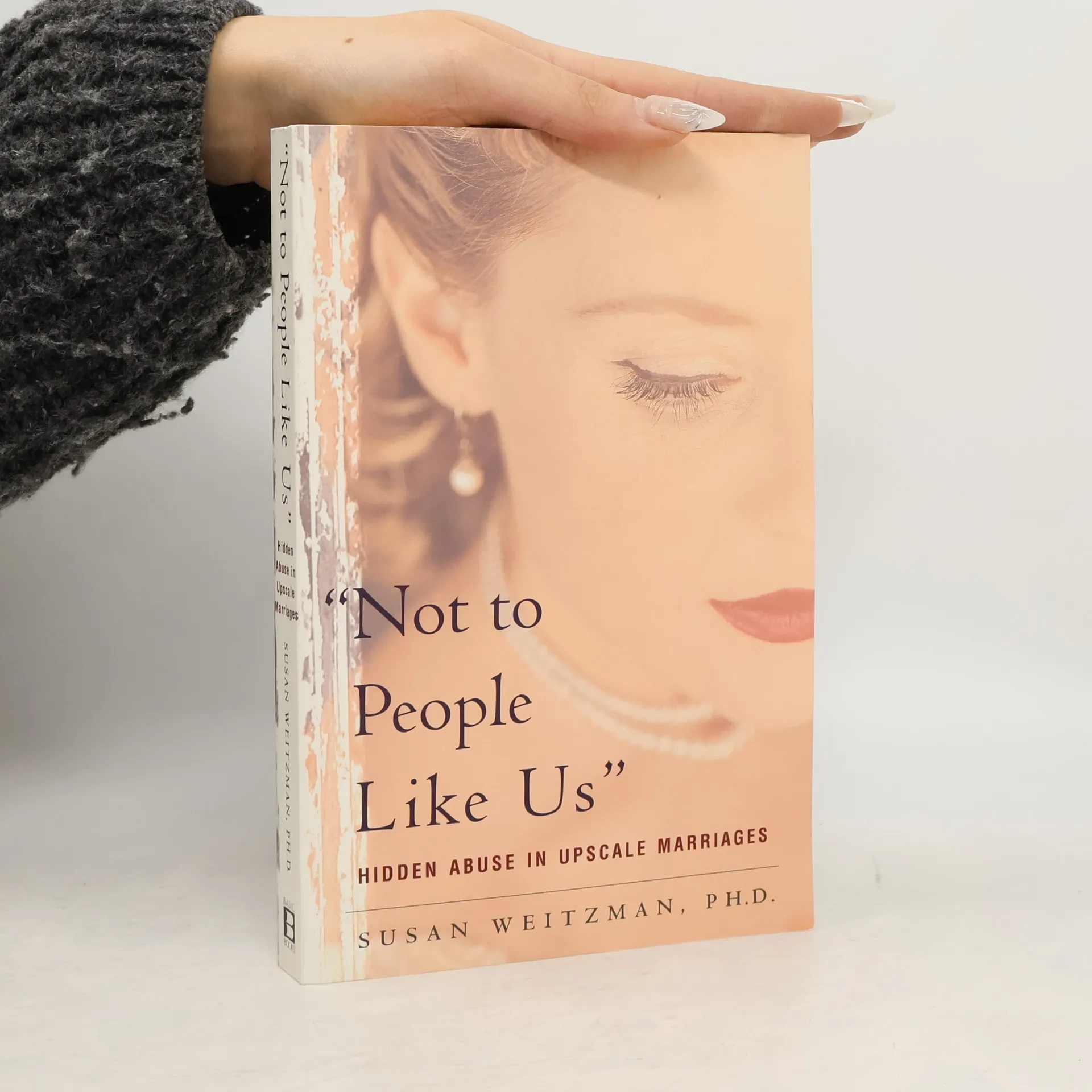
Więcej o książce
How is it possible for a highly educated woman with a career and resources of her own to stay in a marriage with an abusive husband? How can a man be considered a pillar of his community, run a successful business, yet regularly give his wife a black eye? The very nature of these questions proves our unarticulated assumption that domestic violence is restricted to the lower classes. When we do hear stories of high-profile victims, we regard them as exceptional cases and still believe abuse doesn't happen to "people like us." Susan Weitzman counters this assumption by exploring a previously overlooked population of battered wives—the well-educated, upper-income women who rarely report abuse and remain trapped by their own silence. With keen insight and sensitivity, Weitzman, a psychotherapist and educator, traces common patterns of behavior among this group—their internal dilemmas and decisions, their dangerous desire to cover up abuse and maintain appearances. She shows how their abusive relationships follow a different course from those in other socioeconomic groups, and how these distinctions have profound implications for understanding the true nature of this behavior. Delving into the stories of these women—wives of CEOs and attorneys, of physicians and professors, often professionals themselves—Weitzman builds harrowing psychological profiles of both the abused and the abuser.
Zakup książki
Not To People Like Us, Susan Weitzman
- Język

- Rok wydania
- 2001
- Oprawa
- (miękka)
Metody płatności
Brakuje nam tutaj Twojej recenzji.
- Tytuł
- Not To People Like Us
- Podtytuł
- Hidden Abuse In Upscale Marriages
- Język
- angielski
- Autorzy
- Susan Weitzman
- Wydawca
- Basic Books
- Rok wydania
- 2001
- Oprawa
- miękka
- Liczba stron
- 304
- ISBN10
- 0465090745
- ISBN13
- 9780465090747
- Seria
- Kategorie
- Ocena
- 3,9 z 5
- Opis
- How is it possible for a highly educated woman with a career and resources of her own to stay in a marriage with an abusive husband? How can a man be considered a pillar of his community, run a successful business, yet regularly give his wife a black eye? The very nature of these questions proves our unarticulated assumption that domestic violence is restricted to the lower classes. When we do hear stories of high-profile victims, we regard them as exceptional cases and still believe abuse doesn't happen to "people like us." Susan Weitzman counters this assumption by exploring a previously overlooked population of battered wives—the well-educated, upper-income women who rarely report abuse and remain trapped by their own silence. With keen insight and sensitivity, Weitzman, a psychotherapist and educator, traces common patterns of behavior among this group—their internal dilemmas and decisions, their dangerous desire to cover up abuse and maintain appearances. She shows how their abusive relationships follow a different course from those in other socioeconomic groups, and how these distinctions have profound implications for understanding the true nature of this behavior. Delving into the stories of these women—wives of CEOs and attorneys, of physicians and professors, often professionals themselves—Weitzman builds harrowing psychological profiles of both the abused and the abuser.