

Więcej o książce
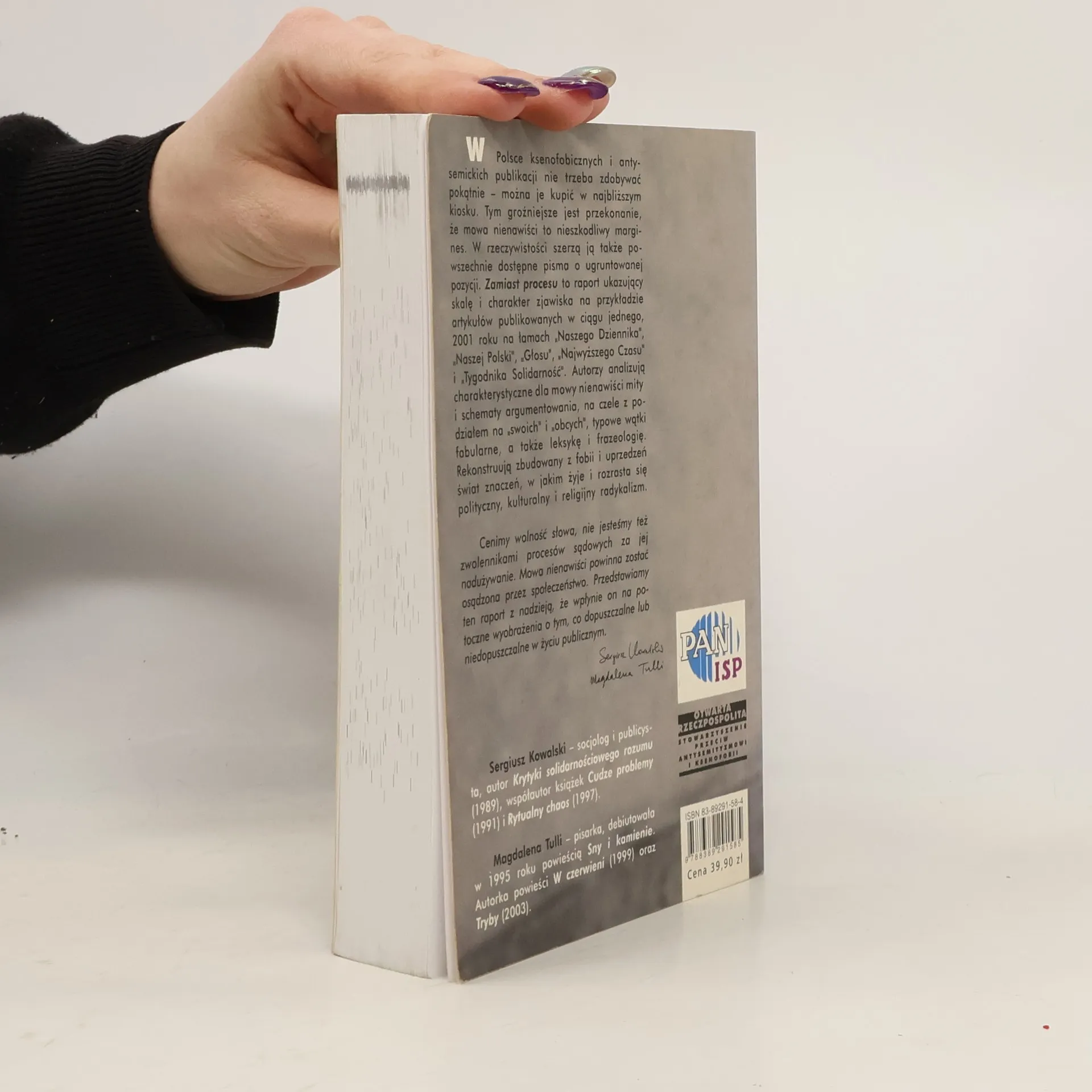
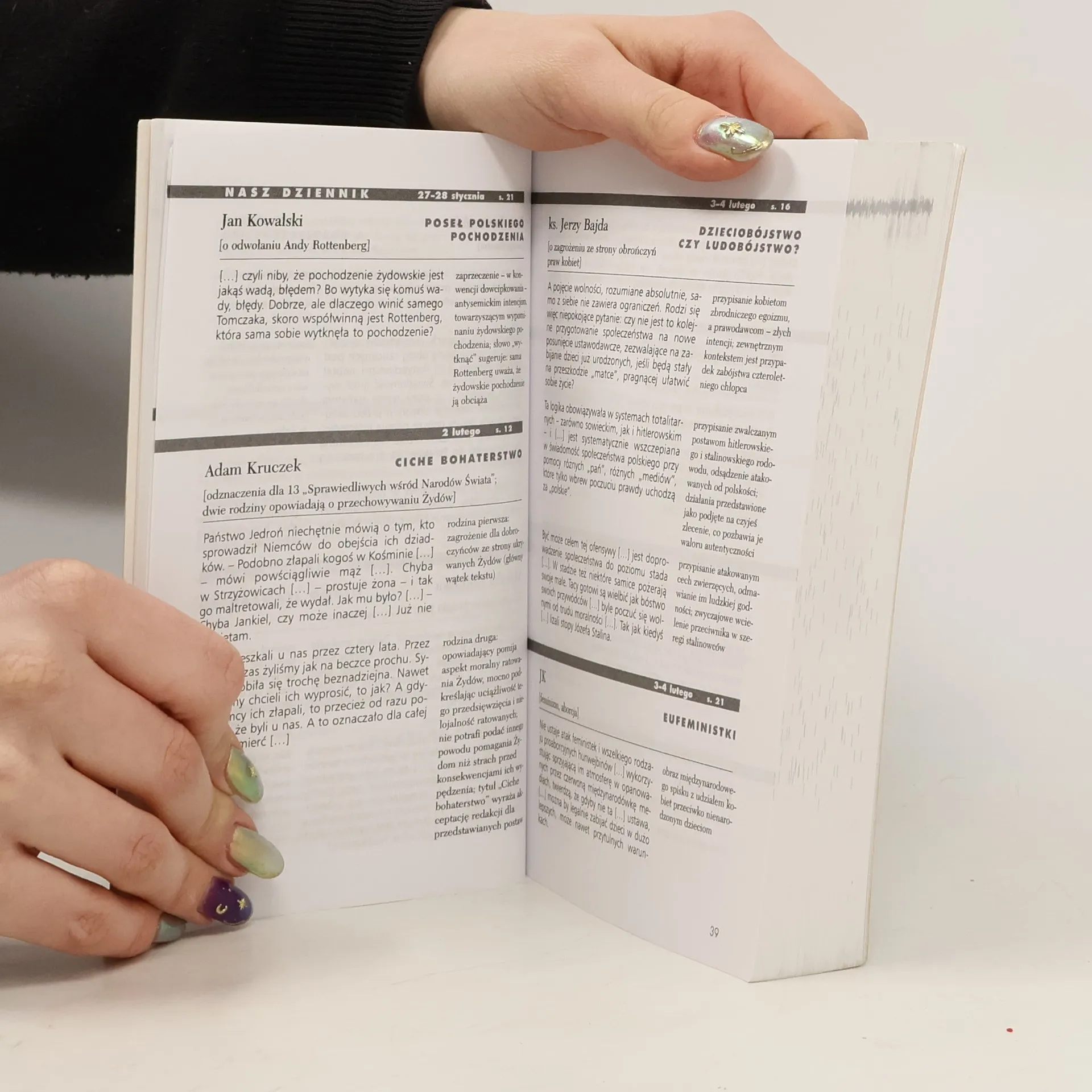
Pp. 32-479 contain excerpts of articles published in 2001 in five Polish right-wing periodicals, with accompanying commentary. The periodicals covered are: "Nasz Dziennik", "Nasza Polska", "Tygodnik Katolicko-Narodowy Głos", "Najwyższy Czas", and the less radical "Tygodnik Solidarność". These articles exemplify various types of antisemitism, among them manipulation of the "Żydokomuna" (Jew-Communist) stereotype, negation of Polish guilt for Jedwabne, and blaming the Jews for imposing communism on Poland. also quotes articles which are hostile to Poland's neighbors - Ukraine, Belarus, and Germany - and to the European Union. Pp. 481-548 present an analysis of the arguments in the quoted texts - their hatred of strangers, liberals, feminists, and of anyone who is "Other". Notes the expression of phobias and superstitions. Concludes that the group most hated is Jews, real or imaginary, and that belief in the "Jewish conspiracy" is very strong in the Polish radical, right-wing, extremist press.
Zakup książki
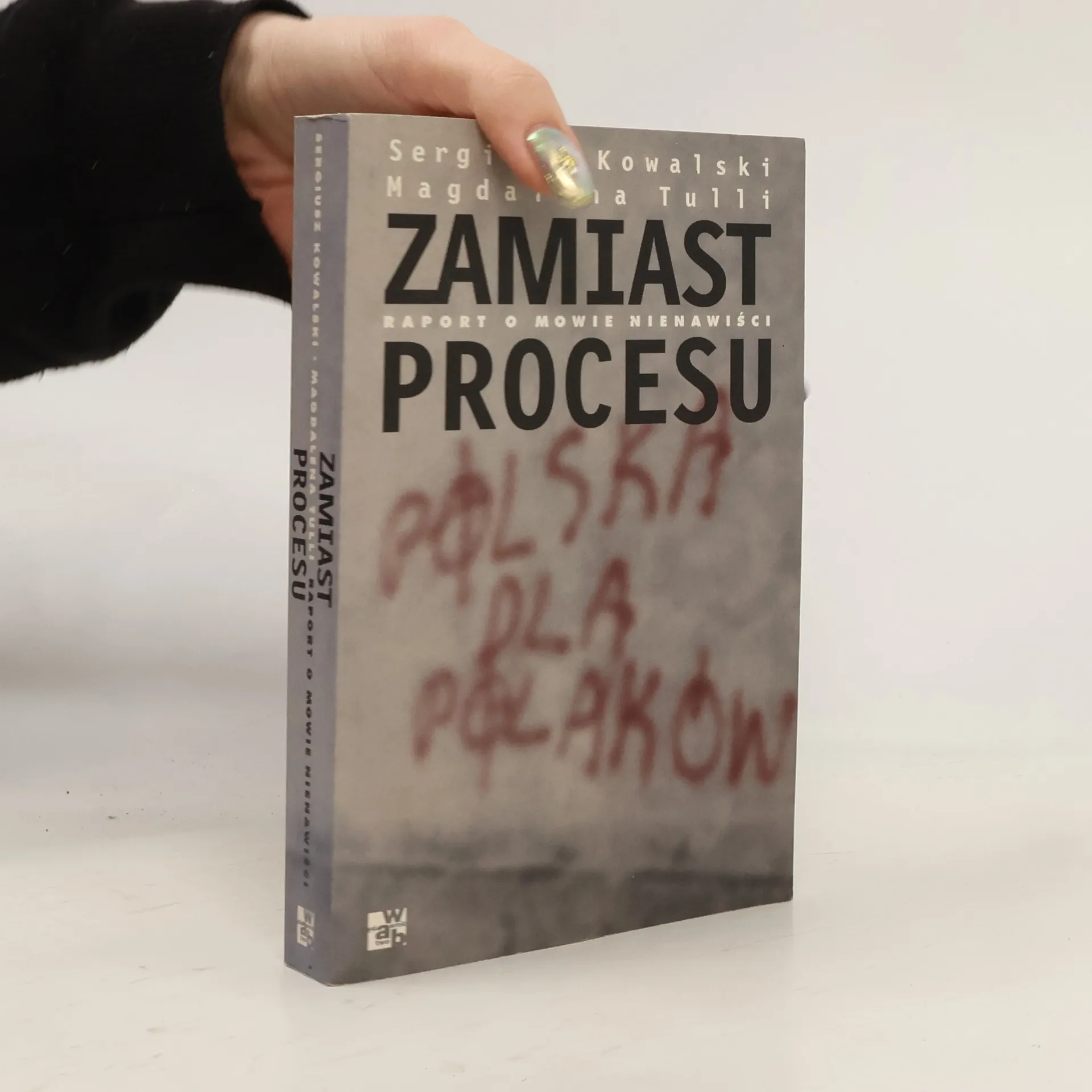
Zamiast procesu, KOWALSKI SERGIUSZ, Magdalena Tulli
- Język

- Rok wydania
- 2003
- Oprawa
- (twarda)
Metody płatności
Brakuje nam tutaj Twojej recenzji.
- Tytuł
- Zamiast procesu
- Podtytuł
- Raport o mowie nienawiści
- Język
- polski
- Autorzy
- KOWALSKI SERGIUSZ, Magdalena Tulli
- Wydawca
- Wydawn. W.A.B.
- Rok wydania
- 2003
- Oprawa
- twarda
- Liczba stron
- 547
- ISBN10
- 8389291584
- ISBN13
- 9788389291585
- Seria
- Ocena
- 3,65 z 5
- Opis
- Pp. 32-479 contain excerpts of articles published in 2001 in five Polish right-wing periodicals, with accompanying commentary. The periodicals covered are: "Nasz Dziennik", "Nasza Polska", "Tygodnik Katolicko-Narodowy Głos", "Najwyższy Czas", and the less radical "Tygodnik Solidarność". These articles exemplify various types of antisemitism, among them manipulation of the "Żydokomuna" (Jew-Communist) stereotype, negation of Polish guilt for Jedwabne, and blaming the Jews for imposing communism on Poland. also quotes articles which are hostile to Poland's neighbors - Ukraine, Belarus, and Germany - and to the European Union. Pp. 481-548 present an analysis of the arguments in the quoted texts - their hatred of strangers, liberals, feminists, and of anyone who is "Other". Notes the expression of phobias and superstitions. Concludes that the group most hated is Jews, real or imaginary, and that belief in the "Jewish conspiracy" is very strong in the Polish radical, right-wing, extremist press.