

Parametry
- 264 strony
- 10 godzin czytania
Więcej o książce
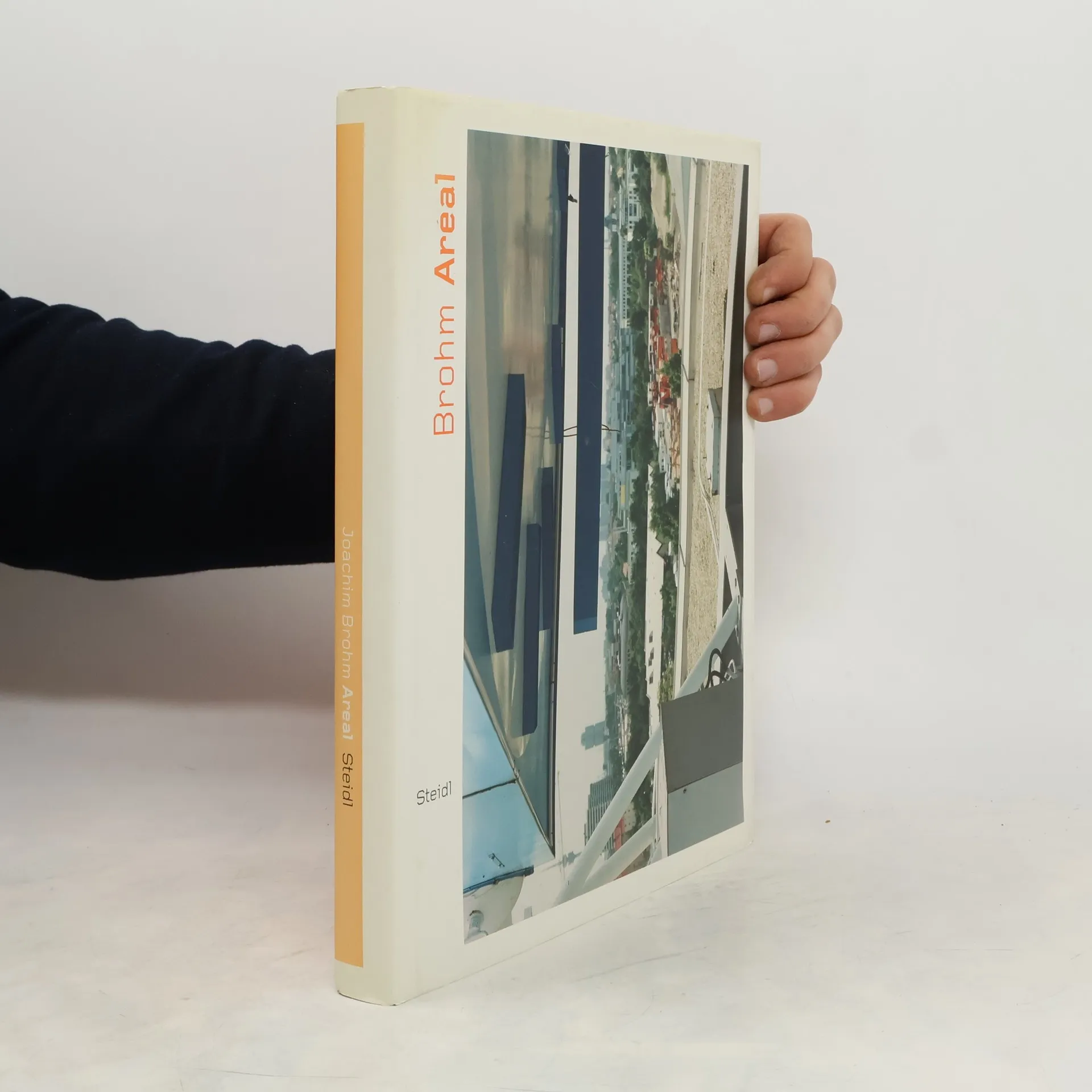
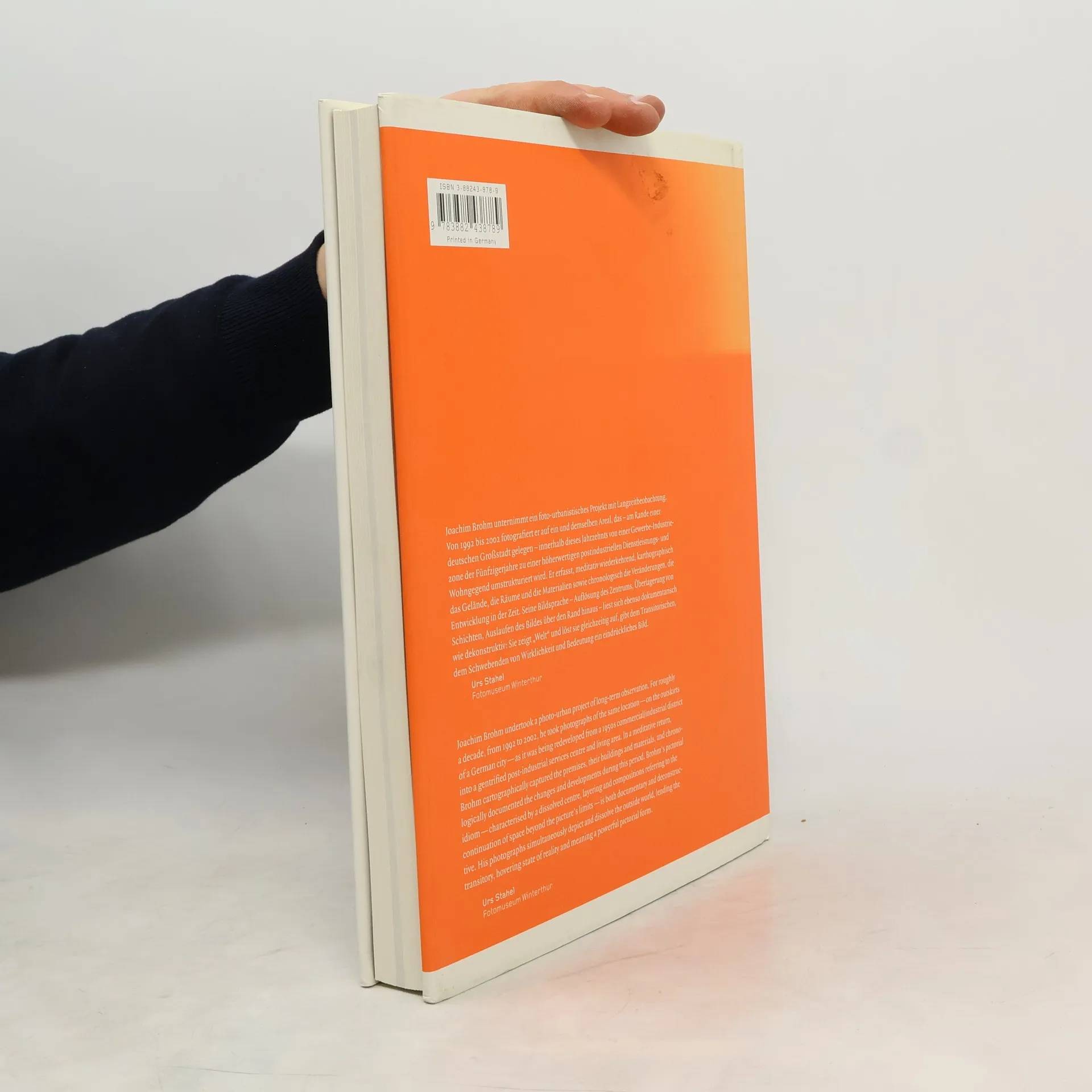
For roughly a decade, from 1992 to 2002, Joachim Brohm undertook a photographic project of long-term urban observation. At the same location on the outskirts of a German city, he took hundreds of pictures of redevelopment, recording the place as it was transformed from a 1950s commercial/industrial district into a gentrified post-industrial services center and living area. In a meditative response to these changes, Brohm cartographically captured the premises, their buildings and materials, and chronologically documented the developments during this period. Brohm's pictorial idiom--characterized by a dissolved center, with layering and composition referencing the continuation of space beyond the frame's limits--is both documentary and deconstructive. His photographs simultaneously depict and dissolve the outside world, lending the transitory, hovering state of reality and meaning a powerful pictorial form.
Zakup książki
Joachim Brohm, Regina Bittner, Joachim Brohm, Oliver Kossack, Urs Stahel
- Język

- Rok wydania
- 2003
- Oprawa
- (twarda)
Metody płatności
Nikt jeszcze nie ocenił.
- Tytuł
- Joachim Brohm
- Podtytuł
- Areal
- Język
- angielski
- Autorzy
- Regina Bittner, Joachim Brohm, Oliver Kossack, Urs Stahel
- Wydawca
- Steidl
- Rok wydania
- 2003
- Oprawa
- twarda
- Liczba stron
- 264
- ISBN10
- 3882438789
- ISBN13
- 9783882438789
- Seria
- Opis
- For roughly a decade, from 1992 to 2002, Joachim Brohm undertook a photographic project of long-term urban observation. At the same location on the outskirts of a German city, he took hundreds of pictures of redevelopment, recording the place as it was transformed from a 1950s commercial/industrial district into a gentrified post-industrial services center and living area. In a meditative response to these changes, Brohm cartographically captured the premises, their buildings and materials, and chronologically documented the developments during this period. Brohm's pictorial idiom--characterized by a dissolved center, with layering and composition referencing the continuation of space beyond the frame's limits--is both documentary and deconstructive. His photographs simultaneously depict and dissolve the outside world, lending the transitory, hovering state of reality and meaning a powerful pictorial form.