



Parametry
- 256 stron
- 9 godzin czytania
Więcej o książce
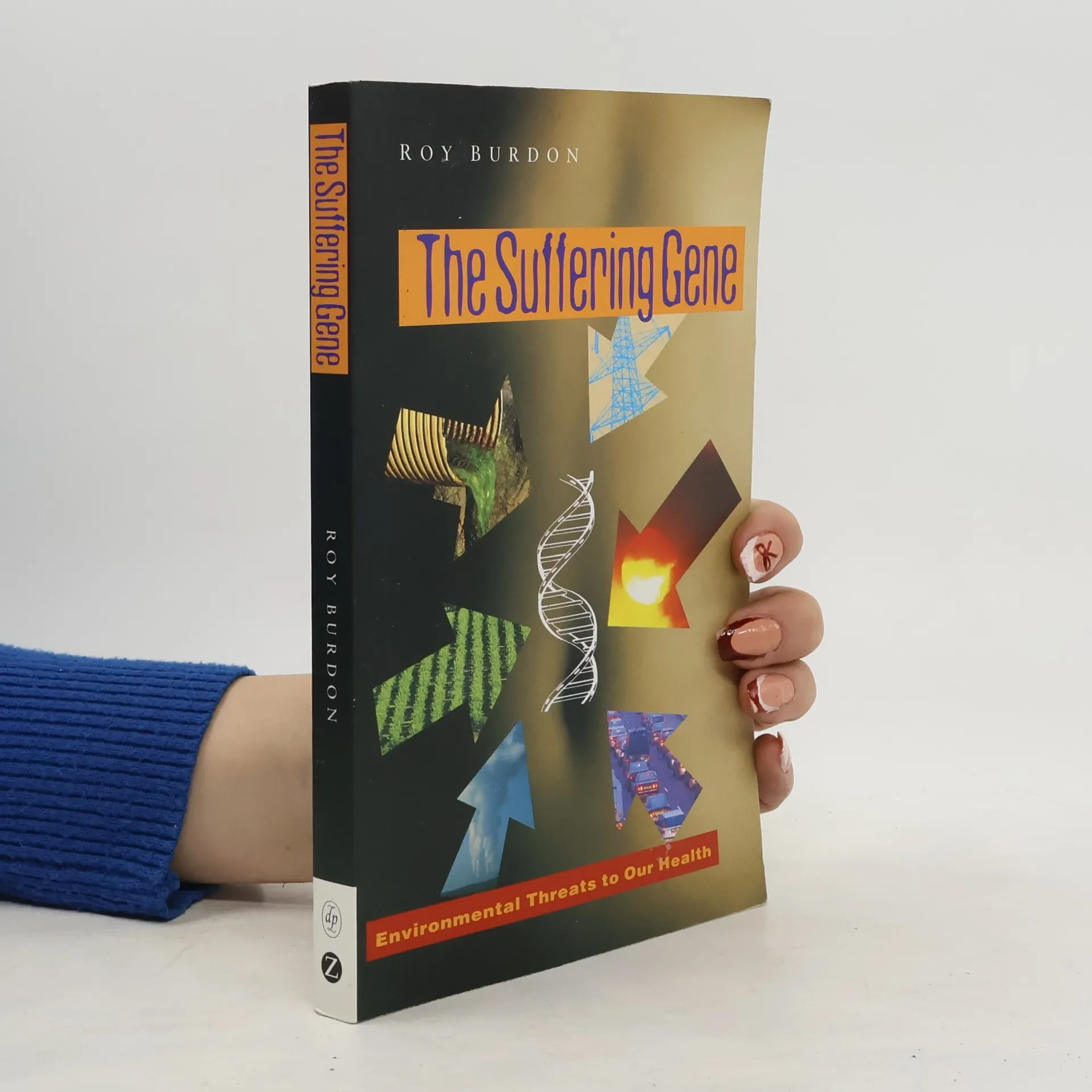
This book outlines to the lay person what science now knows about how our genes are adversely affected by the modern environment in which we live. The irony is that these environmental adversities are mainly the result of the unintended consequences of the very industrial revolution and modern technologies which have transformed our lives in so many positive ways. The author explains how our genes work, and how they are adversely impacted by many different factors in modern society. These include toxic industrial and agricultural chemicals, excessive sunlight (as a result of the hole in the ozone layer), nuclear radiation, other forms of radiation (from mobile phones and electricity transmission systems), food contaminants, and atmospheric pollutants (like tobacco smoke and car exhaust fumes). He also explains how the body defends itself from external attack. And what happens when these defences are overwhelmed. And what humanity needs to do if we are to shoulder the responsibility we owe to future generations and take a more careful approach to the development of new technologies, industrial processes, products and foodstuffs.
Zakup książki
The Suffering Gene, Roy Burdon
- Język

- Rok wydania
- 2003
- Oprawa
- (miękka)
Metody płatności
Brakuje nam tutaj Twojej recenzji.
- Tytuł
- The Suffering Gene
- Podtytuł
- Environmental Threats to Our Health
- Język
- angielski
- Autorzy
- Roy Burdon
- Wydawca
- Zed Books
- Rok wydania
- 2003
- Oprawa
- miękka
- Liczba stron
- 256
- ISBN10
- 1842772856
- ISBN13
- 9781842772850
- Seria
- Kategorie
- Ocena
- 4 z 5
- Opis
- This book outlines to the lay person what science now knows about how our genes are adversely affected by the modern environment in which we live. The irony is that these environmental adversities are mainly the result of the unintended consequences of the very industrial revolution and modern technologies which have transformed our lives in so many positive ways. The author explains how our genes work, and how they are adversely impacted by many different factors in modern society. These include toxic industrial and agricultural chemicals, excessive sunlight (as a result of the hole in the ozone layer), nuclear radiation, other forms of radiation (from mobile phones and electricity transmission systems), food contaminants, and atmospheric pollutants (like tobacco smoke and car exhaust fumes). He also explains how the body defends itself from external attack. And what happens when these defences are overwhelmed. And what humanity needs to do if we are to shoulder the responsibility we owe to future generations and take a more careful approach to the development of new technologies, industrial processes, products and foodstuffs.