


Parametry
- 240 stron
- 9 godzin czytania
Więcej o książce
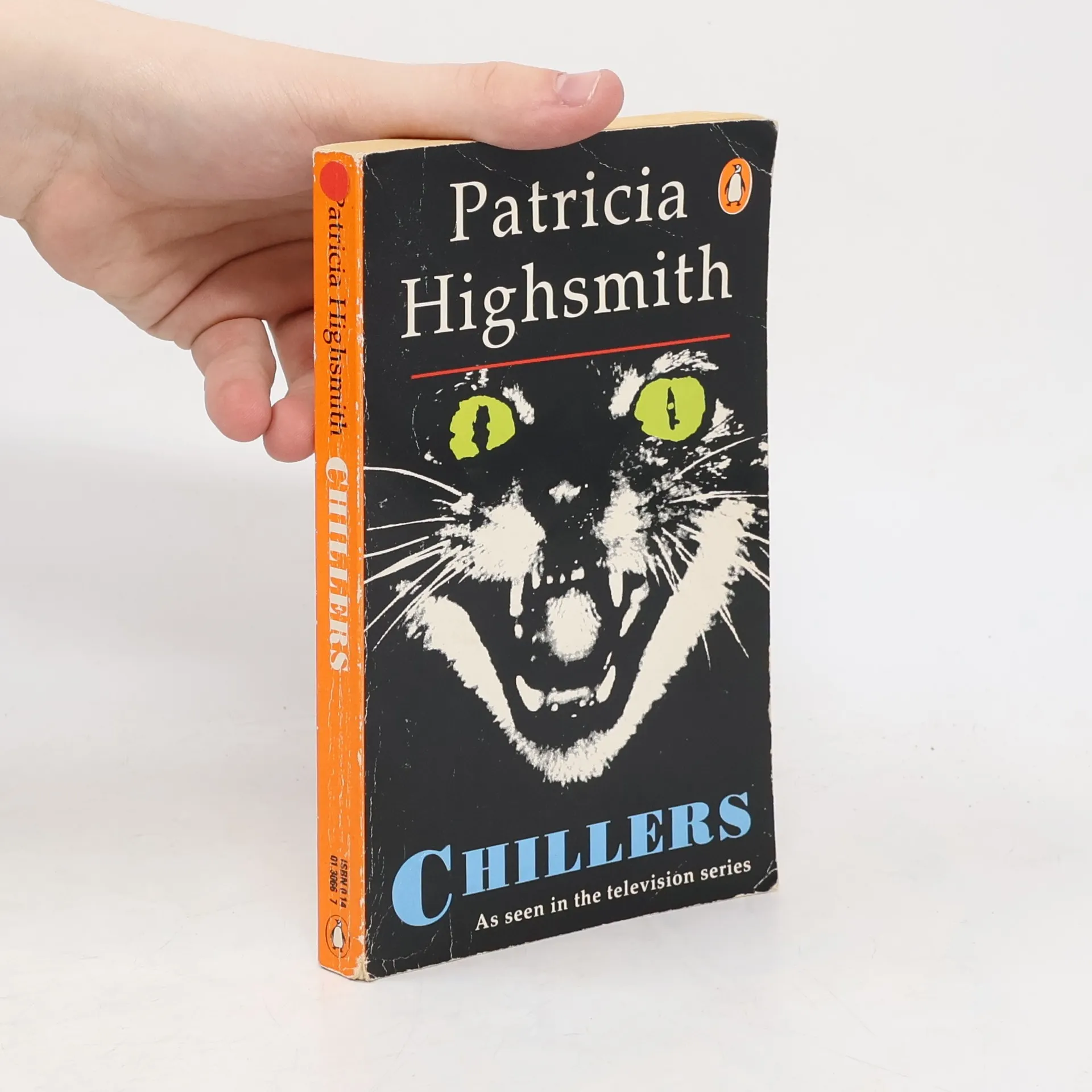
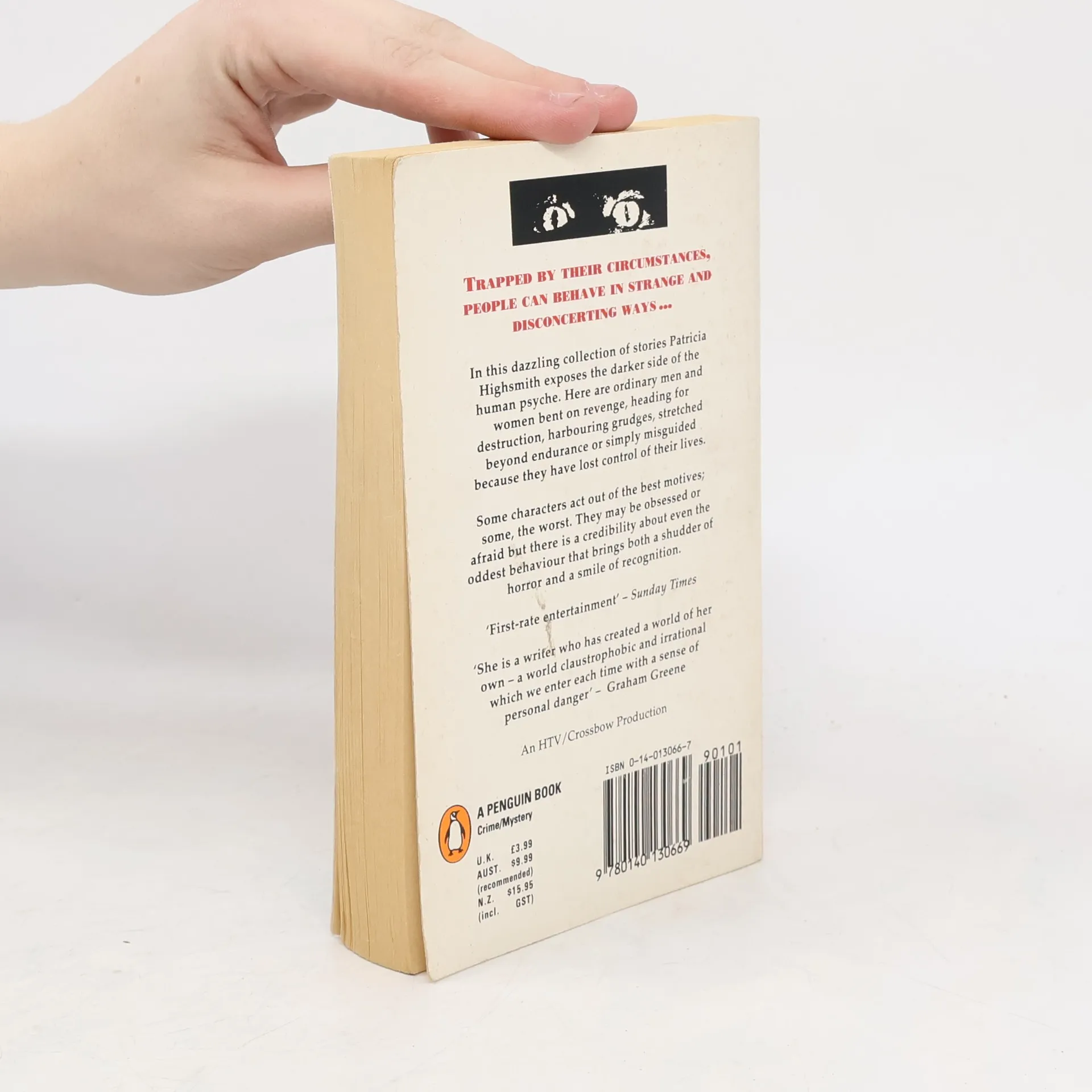
Sometimes, normality hides terrible things. This is what Patricia Highsmith seems to tell us in this collection of stories where no one is what they appear to be. A handful of men and women are enveloped in an aura of absolute normality, but sometimes, trapped by circumstances, they can behave in very strange ways, sometimes with irreversible consequences. This is the case of the retired Skipperton, who takes a neighborhood conflict too far, or Don, a man obsessed with his neighbor's correspondence, or even Dr. McCullough, who contemplates the idea of murdering an old friend he actually detests. We will also see how far Helen's anguish can go after losing her daughter, or what Ginnie feels when she kills someone for the first time, even if it is in self-defense. All of them were, apparently, ordinary people with whom any of us could identify. In these stories, Patricia Highsmith brings to light the darkest and most unsettling side of the human mind and shows how, many times, the boundary that separates good from evil can become imperceptible.
Zakup książki
Chillers, Patricia Highsmith
- Język

- Rok wydania
- 1990
- Oprawa
- (miękka)
Metody płatności
Brakuje nam tutaj Twojej recenzji.
- Tytuł
- Chillers
- Język
- angielski
- Autorzy
- Patricia Highsmith
- Wydawca
- Penguin
- Rok wydania
- 1990
- Oprawa
- miękka
- Liczba stron
- 240
- ISBN10
- 0140130667
- ISBN13
- 9780140130669
- Seria
- Kategorie
- Ocena
- 4,2 z 5
- Opis
- Sometimes, normality hides terrible things. This is what Patricia Highsmith seems to tell us in this collection of stories where no one is what they appear to be. A handful of men and women are enveloped in an aura of absolute normality, but sometimes, trapped by circumstances, they can behave in very strange ways, sometimes with irreversible consequences. This is the case of the retired Skipperton, who takes a neighborhood conflict too far, or Don, a man obsessed with his neighbor's correspondence, or even Dr. McCullough, who contemplates the idea of murdering an old friend he actually detests. We will also see how far Helen's anguish can go after losing her daughter, or what Ginnie feels when she kills someone for the first time, even if it is in self-defense. All of them were, apparently, ordinary people with whom any of us could identify. In these stories, Patricia Highsmith brings to light the darkest and most unsettling side of the human mind and shows how, many times, the boundary that separates good from evil can become imperceptible.